

Beyond the Clamp: Septum Healing Today
Septum aftercare used to be a simple, boring routine of saline soaks and patience. It worked, but waiting a year for a piercing to fully settle is a long time. We're finally moving toward methods that do more than just keep the area clean; we're looking at how to actually speed up tissue repair.
The good news is, we're learning a lot more about how piercings heal, and that knowledge is translating into more effective aftercare routines. It’s not just about keeping the piercing clean anymore; it’s about creating an environment where your body can efficiently repair the tissue. This means focusing on hydration, reducing inflammation, and supporting cellular turnover. It sounds complex, but it’s becoming surprisingly accessible.
The old ways weren't wrong, just slow. By being more proactive with the biology of the wound, I've seen healing times drop significantly. Here is what actually works based on recent results.
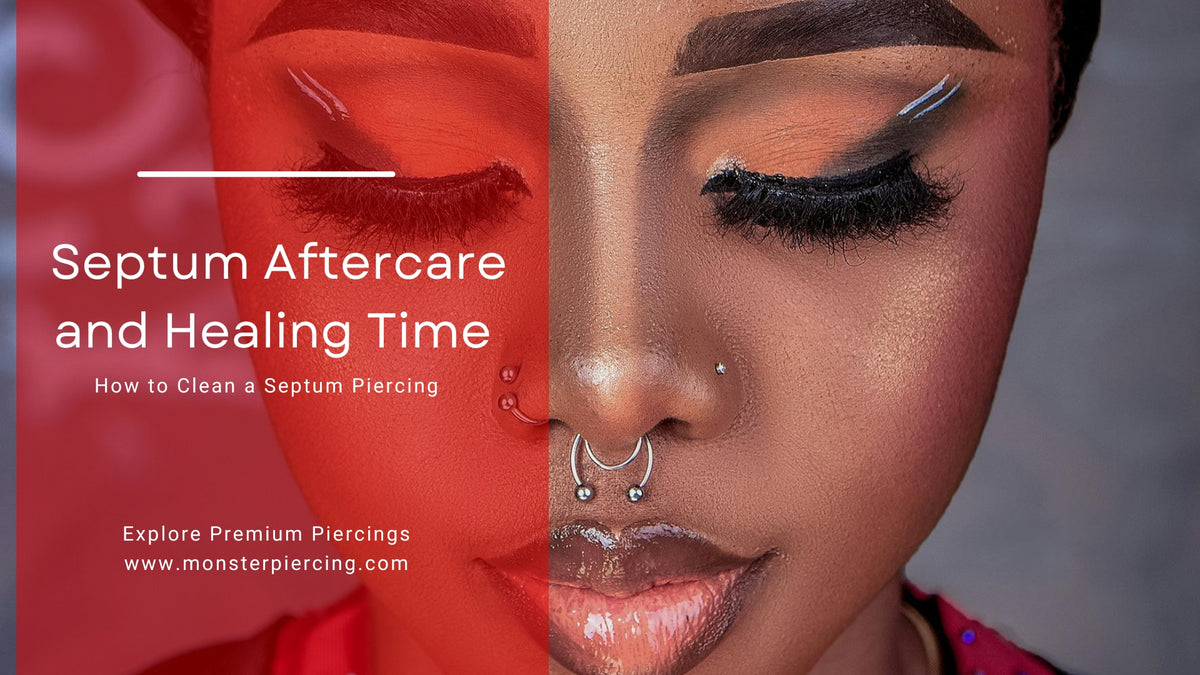
How the septum actually heals
Understanding the healing process is the first step to optimizing your aftercare. When you get a septum piercing, you’re intentionally creating a wound. Your body immediately jumps into action, initiating the inflammatory response. This is where redness, swelling, and some discomfort come from – it’s a sign that blood is rushing to the area to begin repair. It’s not something to suppress, but rather to support.
Healing isn't instant. It happens in stages. First is inflammation, lasting a few days to a week. Then comes proliferation, where new tissue starts to form and fill in the piercing channel. This phase can take weeks or even months. Finally, there’s remodeling, where the tissue matures and strengthens. The entire process for a septum piercing, which goes through cartilage, can take six months to a year, sometimes longer depending on individual factors.
Why do some people heal faster? Blood flow plays a huge role. Good circulation delivers the nutrients and immune cells needed for repair. Your overall immune health is also critical. A strong immune system can fight off potential infections and speed up the healing process. There's also a difference between skin and cartilage healing. Cartilage has a poorer blood supply than skin, which is why cartilage piercings generally take longer to heal.
Individual factors like age, diet, stress levels, and even genetics can influence healing time. Someone with a compromised immune system or poor diet will likely take longer to heal than someone who is otherwise healthy. It's not a race, but understanding these factors helps you tailor your aftercare to your specific needs.
Saline is just the starting point
Let’s be clear: saline soaks aren't bad. They’re a foundational part of piercing aftercare and still recommended by many piercers. Saline solution is excellent for flushing away debris and keeping the piercing site clean. A sterile 0.9% sodium chloride solution is ideal, and you can find pre-made sprays or make your own. The key is to use sterile water and non-iodized sea salt.
Relying only on saline has a downside: it's drying. Salt water cleans the wound, but it doesn't provide the moisture or nutrients needed for new cells to grow. It's the difference between washing a car and fixing the engine.
Hyaluronic acid for hydration
Hyaluronic acid (HA) is a naturally occurring substance in the body that’s known for its incredible ability to retain moisture. One gram of hyaluronic acid can hold up to six liters of water! This makes it a fantastic ingredient for supporting wound healing and reducing inflammation. It's been gaining popularity in skincare for years, and now it’s making waves in the piercing world.
How does it help a septum piercing? By keeping the tissue hydrated, HA creates an optimal environment for cellular function and repair. Hydrated tissue is more pliable, less likely to crack, and better able to absorb nutrients. It also helps to reduce the formation of scar tissue. You can find HA in various forms, including sprays, serums, and gels, specifically formulated for piercing aftercare.
When choosing an HA product, look for a formula that’s specifically designed for piercings and doesn’t contain irritating ingredients like alcohol, fragrance, or harsh preservatives. A concentration of 1-2% is generally considered effective. Avoid products with added ingredients that could potentially cause allergic reactions. It’s also a good idea to patch-test the product on a small area of skin before applying it to the piercing.
I’ve seen clients switch to incorporating an HA spray into their routine and experience noticeable improvements in their healing. Less crusting, reduced redness, and overall faster recovery times. It’s not a miracle cure, but it’s a significant step up from saline alone.
- Check for a 1-2% concentration of hyaluronic acid without alcohol or heavy preservatives.
- Look for a concentration of 1-2% hyaluronic acid.
- Patch-test before full application.
The Rise of Targeted Oils
For years, there’s been debate about using oils on fresh piercings. The concern was that they could trap bacteria and hinder healing. However, when used correctly, certain oils can offer significant benefits. The key is to choose the right oils and use them sparingly. We’re not talking about olive oil from your kitchen – we’re talking about carefully selected carrier oils and diluted essential oils.
Jojoba oil is a popular choice because its molecular structure is very similar to the skin’s natural sebum. This means it’s easily absorbed and less likely to clog pores. Calendula oil is known for its anti-inflammatory and wound-healing properties. Tea tree oil has antimicrobial properties, but it must be diluted properly – a concentration of 1-2% in a carrier oil is recommended, and even then, use with caution as some people are sensitive to it.
The controversy comes from the potential for occlusion – trapping bacteria. That's why using high-quality, non-comedogenic (non-pore-clogging) carrier oils is so important. And always dilute essential oils. Undiluted essential oils can irritate the piercing and actually delay healing. It's also vital to ensure the area is clean before applying any oil.
I’ve seen great results with clients using a diluted calendula oil spray after cleaning. It seems to soothe irritation and promote healthy tissue growth. But, again, this isn’t a one-size-fits-all solution. Pay attention to how your piercing responds and discontinue use if you notice any adverse reactions.
Jewelry Materials & Healing Speed
The material of your jewelry significantly impacts healing. Implant-grade titanium is widely considered the gold standard. It's biocompatible, meaning it's less likely to cause allergic reactions or irritation. It’s also lightweight and durable. Surgical steel is a step down, but still a reasonable option if you can’t afford titanium. However, some people are sensitive to the nickel content in surgical steel.
Avoid gold-plated or nickel silver; they're notorious for causing rashes that stall healing. Solid 14k gold is fine, though it scratches easier than titanium. The shape matters too. A horseshoe or circular barbell that fits your specific anatomy prevents the constant pressure that causes migration.
A poorly fitting piece of jewelry can lead to irritation, migration, and even rejection of the piercing. It’s best to get fitted by a professional piercer who can assess your anatomy and recommend the appropriate jewelry style and size. Don't be afraid to ask questions and advocate for your needs. Your jewelry is an integral part of the healing process.
- Implant-grade titanium is the best choice because it's biocompatible and light.
- Surgical Steel: Good alternative, but may contain nickel.
- 14k/18k Gold: Safe, but softer and less durable.
- Avoid: Gold-plated, nickel silver.
Septum Jewelry Material Comparison
| Material | Biocompatibility | Potential for Irritation | Cost | Best For |
|---|---|---|---|---|
| Titanium | High | Low | $$ | Fresh Piercing |
| Surgical Steel | Medium | Medium | $ | Fresh Piercing (with caution) |
| 14k Gold | Medium | Low | $$$ | Healed Piercing |
| 18k Gold | Medium | Low | $$$$ | Healed Piercing |
| Niobium | High | Low | $$ | Fresh Piercing |
| PTFE/Teflon | High | Very Low | $ | Fresh Piercing (initial stages) |
| Glass | High | Low | $ | Fresh Piercing (initial stages) |
Illustrative comparison based on the article research brief. Verify current pricing, limits, and product details in the official docs before relying on it.
Lifestyle habits that help
Piercing aftercare isn’t just about what you apply to the piercing; it’s also about how you take care of your body. Your diet plays a crucial role in healing. Eating a balanced diet rich in protein, vitamins, and minerals provides the building blocks your body needs to repair tissue. Focus on foods that support immune function, like fruits, vegetables, and lean protein.
Stress can significantly impact healing. When you’re stressed, your body releases cortisol, which can suppress the immune system and delay wound healing. Find healthy ways to manage stress, such as exercise, meditation, or spending time in nature. Getting enough sleep is also essential. Your body does most of its repair work while you sleep.
I've noticed a clear correlation between clients who prioritize their overall health and those who experience faster, smoother healing. It’s not a coincidence. Taking care of your body inside and out creates an optimal environment for healing. Some people are also interested in stretching their septum, as seen on platforms like Facebook, but this should only be done after the piercing is fully healed and with proper guidance.


No comments yet. Be the first to share your thoughts!