

Daith Piercings and Migraine Relief: What Does the Science Say in 2026?
The question of whether a daith piercing can actually alleviate migraines is a popular one, fueled by countless anecdotal reports. People share stories online about reduced frequency and intensity of headaches after getting pierced, but what does the current research – as of 2026 – actually say? The data is messy. While anecdotal success is common, clinical proof remains thin.
The appeal of a daith piercing as a migraine solution stems from the idea that stimulating a specific point on the inner cartilage of the ear can impact the nervous system. The theory centers around the vagus nerve, a major cranial nerve that plays a role in regulating various bodily functions, including inflammation and pain. Some believe that the pressure and micro-trauma from the piercing can indirectly stimulate this nerve, potentially leading to migraine relief. This is why the trend has grown so much, offering a potentially accessible and non-pharmaceutical approach.
However, solid, large-scale studies confirming this effect are lacking. A 2023 review published in the Journal of Headache and Pain analyzed data from several smaller studies and concluded that while some participants reported subjective improvements, there wasn’t enough evidence to establish a definitive causal link between daith piercings and migraine reduction. The review detailed the challenges of conducting rigorous research in this area, including the difficulty of blinding participants (they know whether or not they have a piercing) and controlling for placebo effects.
Interestingly, the types of migraines that seem to respond – anecdotally – vary. Tension headaches and some types of cluster headaches are frequently mentioned in online forums as being alleviated by daith piercings. Migraines with aura seem to be less affected, according to reports. Most studies don't differentiate between migraine subtypes, making it difficult to draw firm conclusions. A study at the University of California, San Francisco (ongoing as of late 2026) is attempting to address this, categorizing migraine types to see if certain subtypes respond better than others.
A daith piercing is not a cure. For many, it provides no noticeable benefit. The placebo effect is powerful, and it’s possible that some reported improvements are due to psychological factors. It’s essential to manage expectations and view a daith piercing as a potential complementary therapy, not a standalone treatment. It's really important to continue working with your healthcare provider to manage your migraines with established treatments.
LP I designed for a migraine relief product from Glumi ❄️
— Bogdan | Landing Pages & CRO (@bogdan_rmb) April 12, 2026
✅ Mobile-first layout (built for scrolling)
✅ Custom visuals that sell, not decorate
✅ Science-backed copy + proof
✅ Reviews + results woven throughout
✅ Clear pricing, bundles, and CTA flow pic.twitter.com/O3aQTsKJaM
The Vagus Nerve Connection: A Deeper Look
The vagus nerve is often called the “wandering nerve” because of its extensive reach throughout the body. It’s the longest cranial nerve, originating in the brainstem and branching out to connect to various organs, including the heart, lungs, gut, and even the ears. It’s responsible for a wide range of functions, including regulating heart rate, digestion, immune response, and – importantly – pain perception.
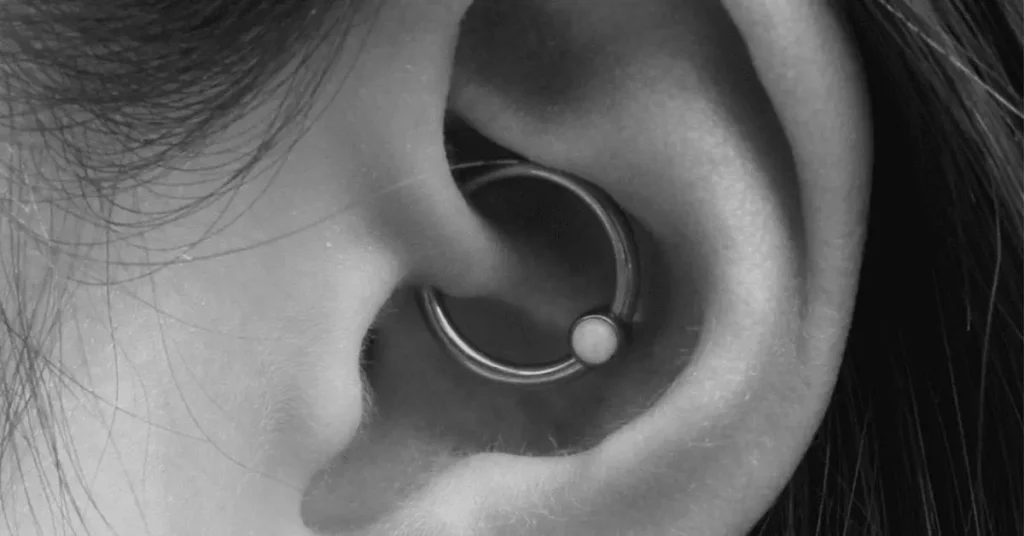
The theory behind the daith piercing’s potential effect on migraines hinges on the idea that stimulating the daith area can indirectly activate the vagus nerve. The daith is a fold of cartilage within the inner ear, and it’s believed to be near a branch of the vagus nerve. The pressure from the jewelry, combined with the body’s natural healing response, is thought to create a mild stimulation that could influence vagal tone – the activity level of the vagus nerve.
Higher vagal tone is generally associated with better health and resilience to stress. It can help regulate the body’s fight-or-flight response, reducing inflammation and promoting relaxation. By increasing vagal tone, it’s theorized that a daith piercing could potentially reduce migraine frequency and intensity. However, it's important to stress that this is still largely a hypothesis. Direct evidence demonstrating a clear link between daith piercing and vagus nerve activation is limited.
Other techniques are used to stimulate the vagus nerve, and they are often more directly targeted. Cold exposure (like ice baths), meditation, deep breathing exercises, and even singing can all increase vagal tone. Transcutaneous vagus nerve stimulation (tVNS), which involves applying a mild electrical current to the ear, is a more established medical treatment for certain conditions, including epilepsy and depression. Compared to these methods, the stimulation provided by a daith piercing is likely much more subtle and variable.
Content is being updated. Check back soon.
Finding a Qualified Piercer: Safety First
If you’re considering a daith piercing for migraine relief, the absolute most important thing is finding a skilled and reputable piercer. This isn’t a piercing to experiment with or to get at a bargain price. A poorly executed daith piercing can lead to serious complications, including infection, nerve damage, and chronic pain. Look for a piercer who specializes in ear piercings and has extensive experience with internal piercings.
Membership in the Association of Professional Piercers (APP) is a great indicator of a piercer’s commitment to safety and professionalism. APP members adhere to strict standards for sterilization, technique, and aftercare. Don’t hesitate to ask potential piercers about their training, experience, and sterilization procedures. A good piercer will be happy to answer your questions and address any concerns you may have.
A clean and comfortable studio environment is also essential. The studio should be well-lit, organized, and free of clutter. The piercer should use single-use, disposable needles and jewelry that is made from biocompatible materials. Avoid piercers who reuse needles or use jewelry that is not sterile. Titanium and implant-grade stainless steel are the standard for daith jewelry, as they are less likely to cause allergic reactions or irritation.
Here are some red flags to watch out for: a piercer who is unwilling to answer your questions, a studio that appears unclean or disorganized, a piercer who uses non-sterile equipment, or a piercer who pressures you into getting a piercing you’re not comfortable with. A daith piercing is an internal piercing, meaning it goes through cartilage deeper within the ear, which makes it more prone to complications if not done correctly. Don't be afraid to walk away if something doesn't feel right.
The Piercing Process: What to Expect
The daith piercing process typically begins with a thorough cleaning of the ear. The piercer will then mark the exact location for the piercing, usually with a surgical marker. They'll use a clamp to stabilize the cartilage and create a clear path for the needle. This clamping can feel uncomfortable, but it’s necessary to ensure accurate placement.
The needle gauge commonly used for daith piercings is 16 or 14 gauge. The piercer will carefully insert the needle through the cartilage and guide it to the desired exit point. You will feel a sharp, momentary pain – most people describe it as a moderate sting. The process is relatively quick, typically taking only a few seconds. Afterwards, the piercer will insert the jewelry, usually a captive bead ring or a circular barbell.
Immediately after the piercing, the piercer will provide you with aftercare instructions. These instructions are crucial for proper healing and preventing complications. You’ll likely be advised to clean the piercing with a sterile saline solution several times a day and to avoid touching or twisting the jewelry. Expect some initial soreness, swelling, and redness – this is normal. However, if the pain is severe or the swelling is excessive, contact your piercer or a medical professional.
the piercing process include bleeding, nerve irritation, and incorrect placement. Nerve irritation can cause temporary numbness or tingling in the ear. Incorrect placement can lead to chronic pain or difficulty healing. If you experience any of these complications, it’s important to address them promptly. Remember, it's not always a seamless process and you may experience some discomfort.
Daith Piercing Aftercare: A Comprehensive Guide
Proper aftercare is absolutely critical for successful healing and minimizing the risk of complications. A daith piercing can take 6-12 months – or even longer – to fully heal, so patience and diligence are key. The initial healing phase (first 6-8 weeks) is particularly important.
The cornerstone of daith piercing aftercare is regular cleaning with a sterile saline solution. You can purchase pre-made saline sprays or make your own by dissolving ¼ teaspoon of non-iodized sea salt in 1 cup of warm distilled water. Gently spray the saline solution onto the piercing several times a day, ensuring that it reaches both the entrance and exit points. Avoid using harsh chemicals, such as alcohol, hydrogen peroxide, or antibacterial soaps, as these can irritate the piercing and delay healing.
Protecting the piercing from trauma is also essential. Avoid sleeping on the pierced ear, as this can put pressure on the jewelry and disrupt the healing process. Be careful when brushing your hair or using headphones, and avoid activities that could bump or snag the piercing. Avoid changing the jewelry during the healing process, as this can introduce bacteria and cause inflammation.
Common aftercare myths include the idea that you need to rotate the jewelry to prevent it from sticking or that you should apply ointments like Neosporin. Rotating the jewelry can actually irritate the piercing and introduce bacteria. Ointments can trap bacteria and prevent oxygen from reaching the healing tissue. Here’s a breakdown of healing stages:
The healing process can be broken down into stages: Initial (0-6 weeks): Redness, swelling, mild discomfort. Intermediate (6 weeks - 3 months): Reduced swelling, some crusting. Late (3-12+ months): Continued reduction in sensitivity, complete healing. If you suspect an infection – redness, swelling, pus, fever – seek medical attention immediately. Self-treating an infection can be dangerous.
- 0-6 weeks: Redness, swelling, mild discomfort.
- 6 weeks - 3 months: Reduced swelling, some crusting.
- 3-12+ months: Continued reduction in sensitivity, complete healing.
Daith Piercing Healing Timeline & Care
| Stage of Healing | Expected Symptoms | Aftercare Instructions | Potential Complications |
|---|---|---|---|
| Initial Piercing (Days 1-3) | Swelling, redness, tenderness, minor bleeding | Saline soaks 2-3 times daily. Avoid touching the piercing except when cleaning. Ensure jewelry is not being snagged by clothing or hair. | Bleeding, localized swelling, initial signs of infection (increased pain, redness spreading) |
| Early Healing (Weeks 1-4) | Continued swelling, possible crusting of lymph fluid, tenderness | Continue saline soaks 2-3 times daily. Gently clean around the piercing with a clean cloth. Avoid sleeping on the piercing. | Infection, jewelry migration, rejection (though less common with daith piercings) |
| Mid-Healing (Months 1-3) | Swelling gradually subsides, some tenderness may persist, potential for minor irritation | Continue saline soaks 1-2 times daily. Monitor for any signs of irritation or infection. Avoid harsh chemicals or cosmetics near the piercing. | Irritation bumps, prolonged redness, minor infections |
| Late Healing (Months 3-6) | Significant reduction in swelling and tenderness. Piercing may still be sensitive to pressure. | Continue aftercare as needed, based on individual healing. Pay attention to any changes in the piercing's appearance. | Cartilage irritation, potential for keloid formation (rare) |
| Potential Complete Healing (6+ Months) | Minimal to no pain or tenderness. Piercing appears settled and healthy. | Maintain good hygiene. Avoid trauma to the piercing. | While some report complete healing around 6-7 months, individual healing times vary. Continued care is recommended to prevent issues. |
| Ongoing Maintenance | Generally symptom-free, but sensitivity to pressure may remain. | Regularly clean with saline solution as needed. Be mindful of jewelry material sensitivities. | Re-irritation from snagging, allergic reactions to jewelry. |
Illustrative comparison based on the article research brief. Verify current pricing, limits, and product details in the official docs before relying on it.
Real People, Real Results: Community Experiences
Online forums and social media platforms are filled with stories from people who have gotten daith piercings for migraine relief. The experiences are incredibly varied, highlighting the subjective nature of this treatment. Some individuals report significant reductions in migraine frequency and intensity, while others experience no noticeable benefit.
On Reddit’s r/piercing, one user named "MigraineWarrior’ shared their experience: “I was skeptical, but desperate. I’ve suffered from chronic migraines for years, and nothing seemed to help. After getting my daith pierced, I noticed a gradual decrease in the number of migraines I was having. They’re not gone completely, but they’re much less frequent and less severe.” Another user, ‘EarCandy88’, had a different experience: “I got a daith piercing hoping it would help with my migraines, but honestly, I haven’t noticed any difference. It’s a cute piercing, but it didn"t live up to the hype for me.”
A common theme among those who report positive results is that it took several months for them to notice a significant improvement. Many also emphasize the importance of managing expectations and not viewing the piercing as a quick fix. It’s also worth noting that some people experience initial increases in headache frequency after getting the piercing, which typically subside as the piercing heals.
It’s important to remember that these are just anecdotal accounts, and individual results may vary. This information is not a substitute for medical advice. If you’re considering a daith piercing for migraine relief, it’s crucial to discuss it with your healthcare provider and weigh the potential risks and benefits.
When to See a Doctor: Recognizing Complications
While most daith piercings heal without issue, complications can occur. It’s important to be aware of the potential problems and to seek medical attention if you suspect something is wrong. Signs of infection include redness, swelling, pus, warmth, and fever. If you experience any of these symptoms, see a doctor immediately.
Other potential complications include keloid formation (raised scar tissue), allergic reactions to jewelry, and nerve damage. Keloids are more common in people with a genetic predisposition to them. Allergic reactions can cause itching, redness, and swelling. Nerve damage can cause temporary or permanent numbness or tingling in the ear.
If you require any medical imaging or procedures, such as an MRI or CT scan, it’s important to inform your doctor that you have a daith piercing. The jewelry may need to be removed or adjusted to avoid interference with the imaging process. Do not attempt to remove the jewelry yourself if you’re experiencing an infection or inflammation.
Self-treating an infection can be dangerous and can lead to serious complications. Prompt medical care is essential. Remember, a daith piercing is a body modification, and like any medical procedure, it carries some risks. Being informed and proactive about your health is the best way to ensure a safe and successful healing process.


No comments yet. Be the first to share your thoughts!