

Why piercers call themselves pals
The term "Piercing Pals" isn't just a catchy brand name; it describes a specific approach to body modification that prioritizes community and transparency over hard sales. At its core, this philosophy means treating every client like a friend who deserves honest advice, clear pricing, and a safe environment. Instead of pushing expensive upgrades, the focus remains on providing high-quality, implant-grade jewelry and professional service at a fair price.
This ethos is built on trust. When you visit a studio that identifies as "Pals," you can expect straightforward pricing without hidden fees. For example, many such studios cap the cost of basic implant-grade steel or titanium jewelry at $100 plus tax, ensuring that the piercing itself remains accessible. This transparency extends to the healing process, where piercers offer concrete, tailored advice for specific piercings like the daith or smiley, rather than generic aftercare instructions.
The result is a less intimidating experience for first-timers and a reliable resource for seasoned collectors. By framing the relationship as a partnership, piercers ensure that clients feel heard and cared for, not just like a transaction. This community-focused mindset helps demystify body modification, making it a positive and informed choice for everyone involved.
Calculate your piercing budget
Planning a daith or smiley piercing involves more than just the base studio fee. While many shops advertise starting prices, the final cost depends on your jewelry choice, aftercare needs, and how you value the artist’s expertise. Use the tool below to estimate your total investment, ensuring you’re prepared for the full experience without any surprise charges.
Estimate your total cost
Enter your details below to see a realistic range for your procedure. Note that jewelry upgrades are a common way to personalize your piercing, and most reputable studios cap these costs to keep them accessible.
Understanding the breakdown
The base fee covers the artist’s time, sterile setup, and professional placement. For daith and smiley piercings, this often ranges from $50 to $80 depending on your region and the studio’s reputation.
Jewelry upgrades allow you to choose materials like implant-grade titanium or gold. As noted by industry standards, many studios cap upgrade fees (often around $100 total for the jewelry) to ensure quality doesn’t become prohibitive. If you’re getting multiple piercings, such as a daith and smiley combo, some studios offer package deals that lower the per-piercing cost.
Aftercare is non-negotiable for healing. A simple kit with sterile saline spray and non-woven gauze typically costs $15–$25. Avoid buying expensive "healing solutions" from beauty stores; plain saline is all you need.
Tipping your piercer
Tipping is a direct way to show appreciation for a clean, pain-free experience. A 15–20% tip is standard for good service, similar to other personal care services. If your piercer took extra time to discuss placement or answered all your questions patiently, consider tipping closer to 20–30%. Remember, a skilled piercer is an investment in your long-term comfort and healing success.
Daith piercing costs and healing
A daith piercing sits in the innermost cartilage fold of your ear, making it one of the more complex piercings to place and heal. Because the needle must navigate this tight anatomical space, you should expect to pay a premium compared to standard lobe piercings. While prices vary by studio and location, you can generally budget between $40 and $100 for the procedure. This range typically includes the piercing fee and a basic piece of jewelry, though upgrading to high-quality gold or custom designs will increase the total cost.
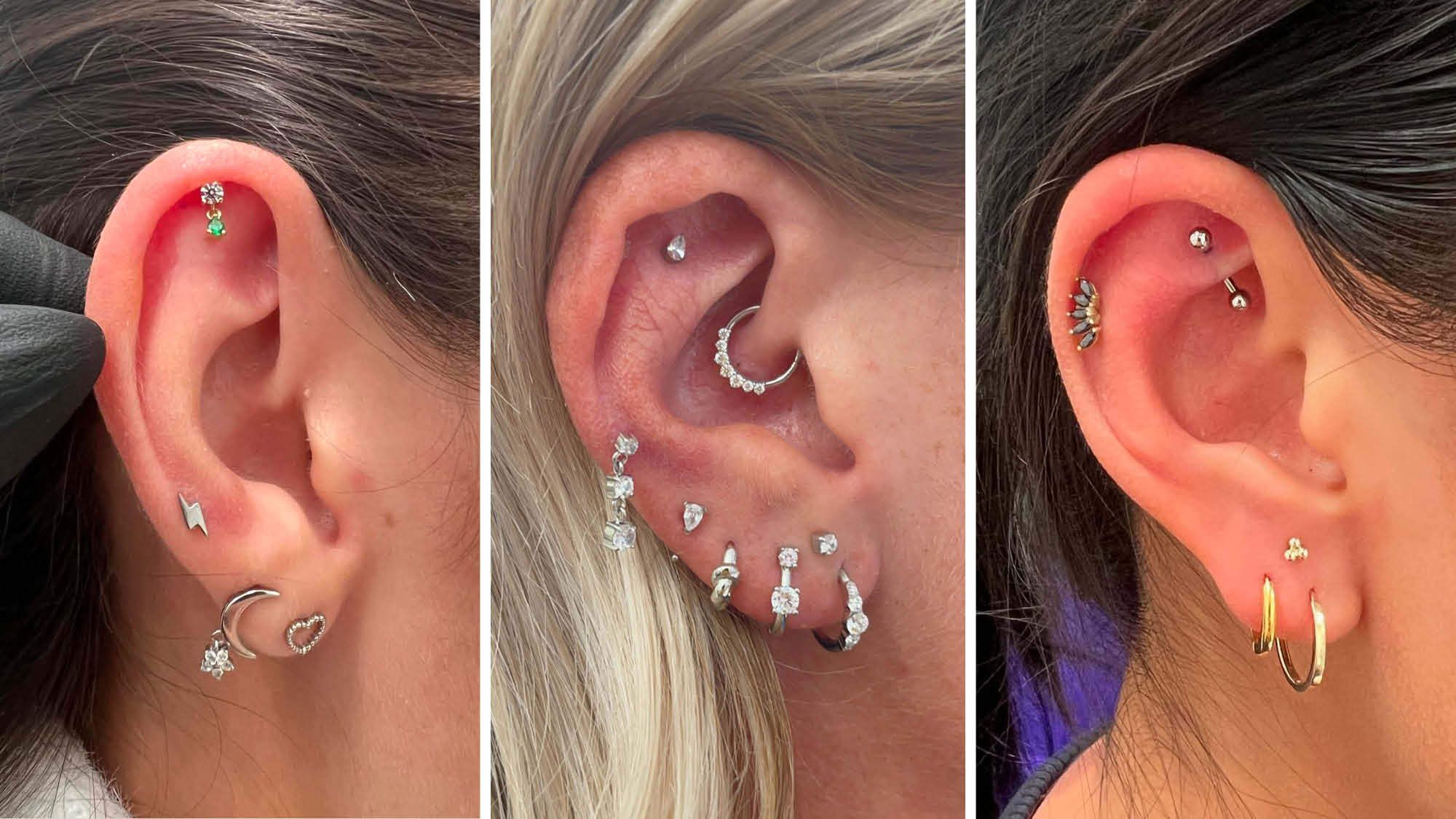
Healing a daith piercing requires patience and strict aftercare. Unlike lobe piercings, which heal in weeks, cartilage piercings like the daith take 6 to 12 months to fully close. During this time, the piercing is prone to swelling and irritation from sleeping on it or catching the jewelry on hair and clothing. To support your healing journey, stick to sterile saline sprays twice daily and avoid rotating the jewelry, which can tear the delicate fistula forming inside your ear.
Piercing Pals recommends finding a professional who specializes in cartilage work to minimize trauma to the tissue. A skilled piercer will use a hollow needle rather than a gun, ensuring a cleaner cut and faster recovery. Remember that healing timelines are personal; if your daith feels tender or looks red after a few months, it is still within the normal range, but always consult your piercer if you suspect an infection.
Smiley Piercing Costs and Healing
A smiley piercing, placed in the thin tissue of the upper lip frenulum, is one of the most affordable options on the table. You can expect to pay between $40 and $70 for the procedure, which is significantly less than a daith or cartilage piercing. This lower price point reflects the simplicity of the placement and the minimal jewelry required—a small, curved barbell that sits discreetly behind the top teeth.
However, affordability comes with a unique risk profile. Because the jewelry rests directly against your enamel, there is a constant, low-level risk of gum recession or tooth chipping over time. Unlike other oral piercings, you cannot easily remove a smiley for extended periods during social events, making long-term dental health a primary concern. Piercing Pals recommends choosing implant-grade titanium jewelry to minimize irritation and scheduling regular dental check-ups to monitor for early signs of wear.
Healing is surprisingly fast but delicate. The mouth’s rich blood supply means most smiley piercings settle within 4 to 6 weeks, much quicker than the 3–12 months required for a daith. During this initial phase, your mouth will feel tender, and you may experience slight swelling. Stick to a soft-food diet for the first few days and avoid spicy or acidic foods that could irritate the fresh wound.

Compare jewelry materials and prices
Choosing the right metal is the most important decision you’ll make for your daith or smiley piercing. While it might be tempting to go with the cheapest option, your body’s reaction to the material dictates how fast and painlessly you heal. At Piercing Pals, we believe in transparency, which is why we ensure you never pay more than $100 for quality jewelry, including basic implant-grade steel and titanium options.
Implant-grade titanium is the gold standard for sensitive skin. It is completely nickel-free and highly biocompatible, meaning your body is unlikely to reject it. This makes it the safest choice for daith piercings, which are prone to irritation due to cartilage thickness. While titanium costs more upfront, it significantly reduces the risk of infection and prolonged healing, saving you time and discomfort in the long run.
14k solid gold is another excellent choice, provided it is solid and not gold-plated. Plated jewelry can wear away, exposing your fresh piercing to base metals that cause irritation. Steel is durable and affordable but contains trace nickel, which can trigger reactions in sensitive individuals. For smiley piercings, which move constantly against teeth and gums, smooth, high-polish titanium or solid gold prevents enamel damage better than cheaper alternatives.
| Material | Price Range | Hypoallergenic | Healing Suitability |
|---|---|---|---|
| Implant-Grade Titanium | $$$ | Yes | Excellent for sensitive cartilage |
| 14k Solid Gold | $$$ | Yes | Excellent, gentle on gums |
| Implant-Grade Steel | $ | Low (contains nickel) | Good for non-sensitive skin |
Essential aftercare checklist
Healing a daith or smiley piercing is less about complex rituals and more about consistency. Because these piercings sit in cartilage or the delicate frenulum, they are prone to irritation bumps if neglected. Think of aftercare as a daily maintenance routine for a small, internal wound. Following this checklist for the first 6–8 weeks minimizes infection risks and keeps your jewelry from migrating.
Use a sterile saline solution (0.9% sodium chloride) two times a day. Spray it directly on the piercing or apply it with a clean, lint-free gauze pad. Avoid cotton balls, as loose fibers can wrap around the jewelry and harbor bacteria. Gently pat the area dry with a fresh paper towel; moisture is the enemy of healing cartilage.

For smiley piercings, oral hygiene is critical. Rinse your mouth with an alcohol-free antimicrobial mouthwash or warm salt water after every meal and snack. Food particles trapped near the frenulum can cause significant inflammation. This simple step prevents the piercing from becoming a breeding ground for bacteria.
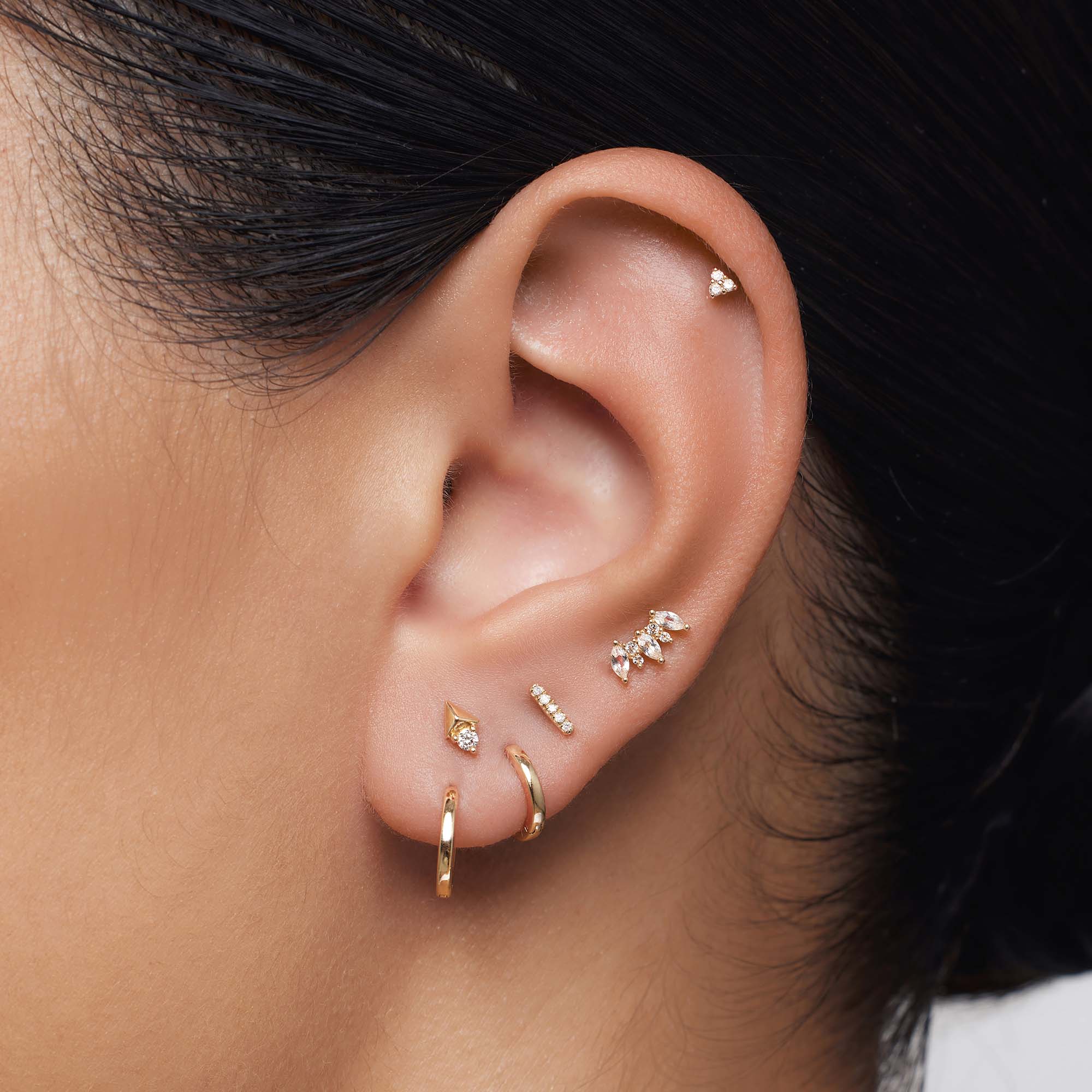
Do not play with your jewelry. Twisting or turning the bar can tear the forming healing tissue and introduce bacteria from your fingers. If the jewelry gets stuck due to swelling, see your piercer immediately; do not force it. Keep hands clean if you must adjust the jewelry for cleaning purposes.
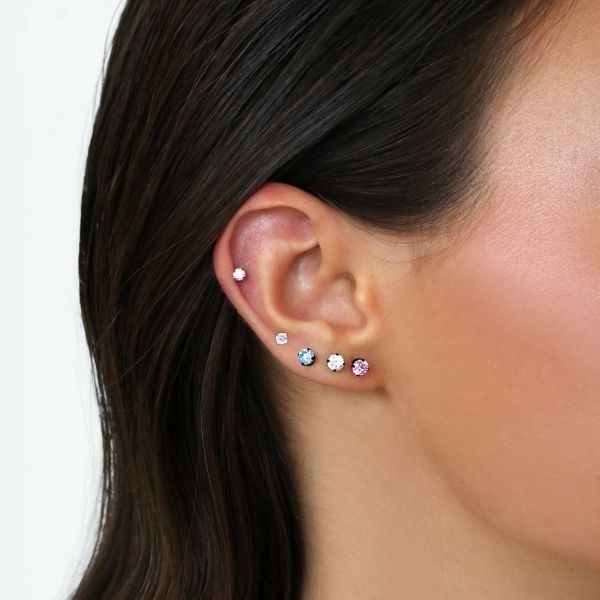
Watch for signs of migration or rejection, such as the jewelry appearing closer to the surface or the hole becoming elongated. Daith piercings may also develop crusties that look like pimples; these are usually normal lymph fluid, not pus. If you notice redness spreading, heat, or yellow/green discharge, consult a healthcare professional promptly.
Consistency is your best defense. By sticking to this routine, you give your body the best chance to heal cleanly and quickly, ensuring your new piercing stays healthy and beautiful.
No comments yet. Be the first to share your thoughts!