


Choose your piercer and jewelry
Finding the right professional is the most important step in your piercing journey. A reputable studio prioritizes safety and hygiene above all else. Look for an APP (Association of Professional Piercers) member, as they adhere to the highest industry standards for sterilization and aftercare. Piercing Pals recommends verifying credentials before booking to ensure your experience is safe and comfortable.
The material of your jewelry matters just as much as the skill of the piercer. Implant-grade titanium or 14k+ solid gold is essential for initial healing to prevent allergic reactions and irritation. Avoid surgical steel or mystery metals, which can contain nickel. You should always see the jewelry in its sealed, sterile packaging before it touches your skin.
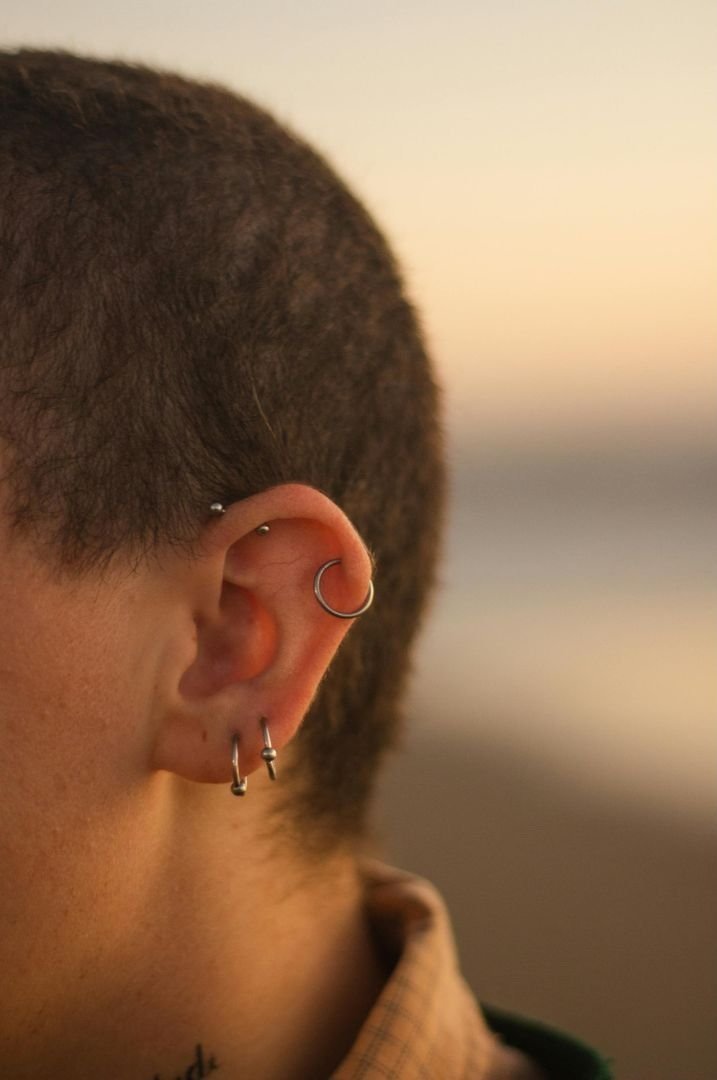
Trust your instincts during the consultation. A good piercer will answer all your questions about placement, jewelry options, and aftercare without rushing you. They should use a hollow needle rather than a gun, as needles are sharper and cause less trauma to the tissue. This attention to detail sets the foundation for a smooth healing process.
Prepare for your appointment
Getting ready for your first septum or helix piercing ensures your body is in the best possible state to handle the procedure. When you are well-rested and nourished, your body manages pain better and heals faster. Following a simple pre-appointment routine helps minimize bleeding and keeps the experience smooth.
Piercing Pals emphasizes that preparation is the first step in safe body modification. By following these guidelines, you are actively participating in your own safety and comfort.
The septum and helix piercing procedure explained
Understanding the process helps remove the mystery. At Piercing Pals, we believe that knowledge is your best tool for staying calm and confident. The actual procedure is quick, typically taking only a few minutes for both piercings once you are prepped.
Preparing for the appointment
Before the needle touches your skin, your piercer will mark the exact spots for both the septum and helix. For the septum, they look for the "sweet spot"—the thin piece of skin just below the cartilage ridge. For the helix, they measure the upper ear cartilage to ensure symmetry and proper placement. You will have a chance to approve these marks before anything else happens.
The septum piercing step
The septum piercing uses a hollow needle to create a clean channel through the tissue. You will feel a sharp pinch and a brief pressure, followed by a strange sensation of fullness in your nose. This is normal. The piercer then immediately slides the initial jewelry into place. Most people find this part surprisingly manageable, often describing it as less painful than they expected.
The helix piercing step
The helix piercing goes through the firm cartilage of your upper ear. Because cartilage is denser, the sensation is a deeper, more intense pressure rather than a surface pinch. You might hear a small click as the needle passes through. Once the needle is out, the jewelry is secured. This area can feel tender for a day or two, but the procedure itself is over in seconds.
Aftercare basics
Immediately after both piercings are done, your piercer will show you how to clean the areas with sterile saline solution. Avoid touching the new piercings with unwashed hands, and stick to the cleaning routine recommended by Piercing Pals to keep your new jewelry safe and your healing process smooth.
Daily aftercare routine
Healing a septum and helix piercing is a process of patience and consistency. Your body needs time to close the wound channel, and your daily routine is the primary defense against infection. Following a simple, sterile cleaning regimen twice a day is all that is required to keep the sites healthy.
Avoid using alcohol, hydrogen peroxide, or ointments unless specifically directed by a medical professional. These substances are too harsh for new piercings and can delay healing by killing healthy cells. Stick to the saline method recommended by the Association of Professional Piercers for optimal results.
Healing timelines and jewelry upgrades
Patience is the most important tool in your piercing journey. Healing is not a single event but a biological process that happens from the inside out. Understanding the specific timelines for septum and helix piercings helps you avoid irritation and ensures your jewelry upgrades go smoothly.
Septum healing
Septum piercings are often called the "socially hidden" piercing because they can be flipped up while healing. The initial tenderness and swelling usually subside within 1–3 weeks. However, the internal fistula (the healed skin tunnel) takes longer to mature. While many people feel ready to change their jewelry after 6–8 weeks, Piercing Pals recommends waiting the full 3–4 months for complete stability. Changing jewelry too early can cause the hole to close partially or become infected.
Helix healing
Helix piercings are cartilage piercings, which means they have a slower blood supply and take significantly longer to heal. You can expect swelling and sensitivity for the first few weeks, but the actual healing process takes 6–12 months. During this time, avoid sleeping on that side and be cautious with headphones or hats that might snag the jewelry. The outer rim is also more prone to irritation bumps if disturbed frequently.
When to upgrade
Jewelry upgrades should only happen once the piercing is fully healed. For a septum, this means no more crusting, discharge, or tenderness. For a helix, it means the jewelry moves freely without any resistance or pain. When you are ready to upgrade, Piercing Pals offers a wide range of implant-grade titanium and steel options. As noted by Piercing Pals, you will never pay more than $100 (plus tax) for the jewelry upgrade for each piercing, ensuring you get high-quality materials without breaking the bank.
Safe jewelry changes
Always wash your hands thoroughly before touching your piercing. Use a sterile saline solution to clean the area before and after the change. If you encounter resistance, stop immediately—do not force the jewelry. For helix piercings, consider having a professional piercer perform the first upgrade to ensure the new jewelry is inserted correctly and the gauge is appropriate.
Avoid These Common Piercing Mistakes
Even with the best aftercare routine, small habits can irritate your healing tissue. Touching your septum or helix with unwashed hands introduces bacteria that can lead to infection. Resist the urge to fiddle with the jewelry, and keep your hands clean if you must adjust it.
Changing jewelry too soon is another frequent error. Cartilage piercings like the helix take months to heal, and premature swaps can tear the fistula. Wait until your piercer confirms the piercing is fully healed before upgrading your studs or hoops.
Harsh chemicals are a silent healer-killer. Alcohol and hydrogen peroxide dry out the piercing and destroy the healthy cells needed for recovery. Stick to sterile saline solution for cleaning, and let your body do the rest.
Frequently asked: what to check next
Planning your first septum and helix piercing? Here are the most common questions we get from our community at Piercing Pals, answered with safety and clarity in mind.
How much does it cost?
At Piercing Pals, you will never pay more than $100 (plus tax) for each piercing. This price includes high-quality, basic implant-grade steel or titanium jewelry, ensuring you get professional service without hidden fees.
Is it painful?
Pain is subjective, but most clients describe a brief pinch or pressure. Septum piercings often feel like a quick sneeze, while helix piercings involve a sharper snap. Our piercers use precise techniques to minimize discomfort and ensure a smooth experience.
When can I swim again?
Wait at least 4-6 weeks for a septum and 6-12 months for a helix before submerging in pools, lakes, or hot tubs. Saltwater rinses are safe and recommended, but full immersion introduces bacteria that can delay healing. Always rinse with sterile saline after any accidental exposure.
When can I change my jewelry?
Do not change your jewelry until your piercer confirms it is fully healed. For septums, this is typically 2-3 months; for helixes, it can take 6-12 months. Changing jewelry too early can cause tearing, infection, or migration. Let Piercing Pals guide you on when it’s safe to upgrade.
How do I clean it?
Clean twice daily with sterile saline solution. Avoid alcohol, hydrogen peroxide, or ointments, as these irritate the wound and slow healing. Gently pat dry with a clean paper towel—never use cloth towels, which harbor bacteria.
Can I sleep on a helix piercing?
Avoid sleeping directly on a new helix piercing for the first few months. Use a travel pillow or donut pillow to keep pressure off the area. This simple adjustment prevents irritation bumps and speeds up the healing process.
No comments yet. Be the first to share your thoughts!