

Choose your piercing type
Deciding between a smiley and a daith piercing comes down to anatomy, visibility, and pain tolerance. Piercing Pals breaks down the differences so you can pick the style that fits your lifestyle.
The smiley piercing goes through the frenulum, the small piece of skin connecting your upper lip to your gums. It is a hidden gem that only reveals itself when you smile or talk. This makes it a low-key choice for those who want something personal and playful.
The daith piercing sits in the innermost fold of your ear cartilage. It is visible from the side and adds a bold, textured look to your profile. Because it pierces thick cartilage, it tends to be more noticeable and requires a longer healing period than the smiley.
Compare smiley vs daith
Use this comparison to see how they stack up on key factors like visibility and jewelry options.
| Feature | Smiley | Daith |
|---|---|---|
| Location | Upper lip frenulum | Inner ear cartilage fold |
| Visibility | Hidden (only when smiling) | Visible from the side |
| Pain Level | Low to moderate | Moderate to high |
| Healing Time | 6-8 weeks | 6-12 months |
| Jewelry Style | Small captive bead ring | Curved barbell or ring |
Visual impact and style
Your choice should align with how much you want the piercing to show. The smiley is a secret detail, perfect for professional environments where discretion is key. The daith is a statement piece that draws attention to your ear.

Find a qualified piercer
Choosing the right professional is the most important step in preparing for a smiley or daith piercing. These are delicate cartilage and mucosal areas that require specific anatomical knowledge. A skilled piercer understands the unique angles and healing requirements for each spot, reducing the risk of rejection or migration.
At Piercing Pals, we prioritize safety and hygiene above all else. Before you commit to a studio, verify that the piercer is a member of the Association of Professional Piercers (APP). This organization enforces strict health and safety standards that go beyond basic local regulations. You can verify membership status directly on the APP website.
Verify studio hygiene
Walk into the studio and look around. Does it smell like a clean medical office or a busy salon? The environment should be bright, organized, and free of clutter. Look for sealed sterilization pouches on open counters. If you see anything that looks questionable, leave.
Always ask to see the piercer's sterilization process before sitting in the chair. A professional will never hesitate to show you their autoclave or explain their sterilization protocol. They should use single-use, pre-sterilized needles and gloves. Jewelry should also be pre-sterilized or autoclaved in front of you. Never allow a piercer to reuse jewelry or needles.
Check credentials and experience
A qualified piercer should have years of experience and a portfolio of healed work. Look for reviews that specifically mention smiley or daith piercings. These are not beginner placements, and an experienced artist will be honest about whether your anatomy is suitable.
During the consultation, the piercer should discuss aftercare in detail. They should answer your questions patiently and without pressure. If they rush you or dismiss your concerns, find another artist. Your comfort and safety are paramount.
Always ask to see the piercer's sterilization process before sitting in the chair.
Prepare for the procedure
Getting a smiley or daith piercing involves navigating sensitive cartilage or thin tissue. To minimize bleeding and discomfort, you need to prepare your body and schedule correctly. Piercing Pals recommends following this concrete checklist before your appointment.
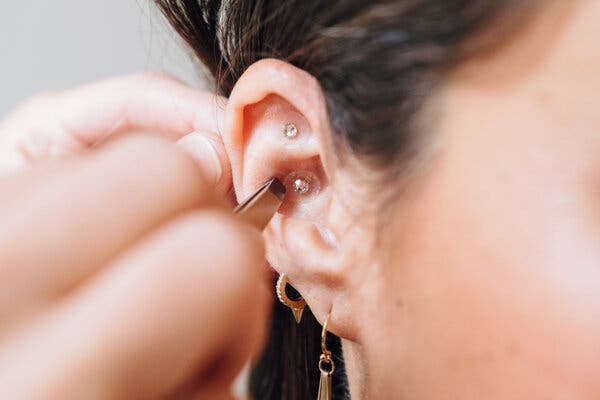
Never arrive on an empty stomach. Low blood sugar increases the risk of fainting or feeling lightheaded during the procedure. Eat a substantial meal with protein and complex carbohydrates at least two hours before your appointment to keep your energy stable.
Drink plenty of water in the 24 hours leading up to your piercing. Hydrated skin is more pliable and easier to pierce cleanly. It also helps your body recover faster and reduces the likelihood of excessive swelling or bruising afterward.

Do not consume alcohol or take non-prescription blood thinners (like aspirin or ibuprofen) for at least 24 hours before your appointment. These substances increase blood flow and thin your blood, which can lead to more bleeding during the procedure and a longer healing time.
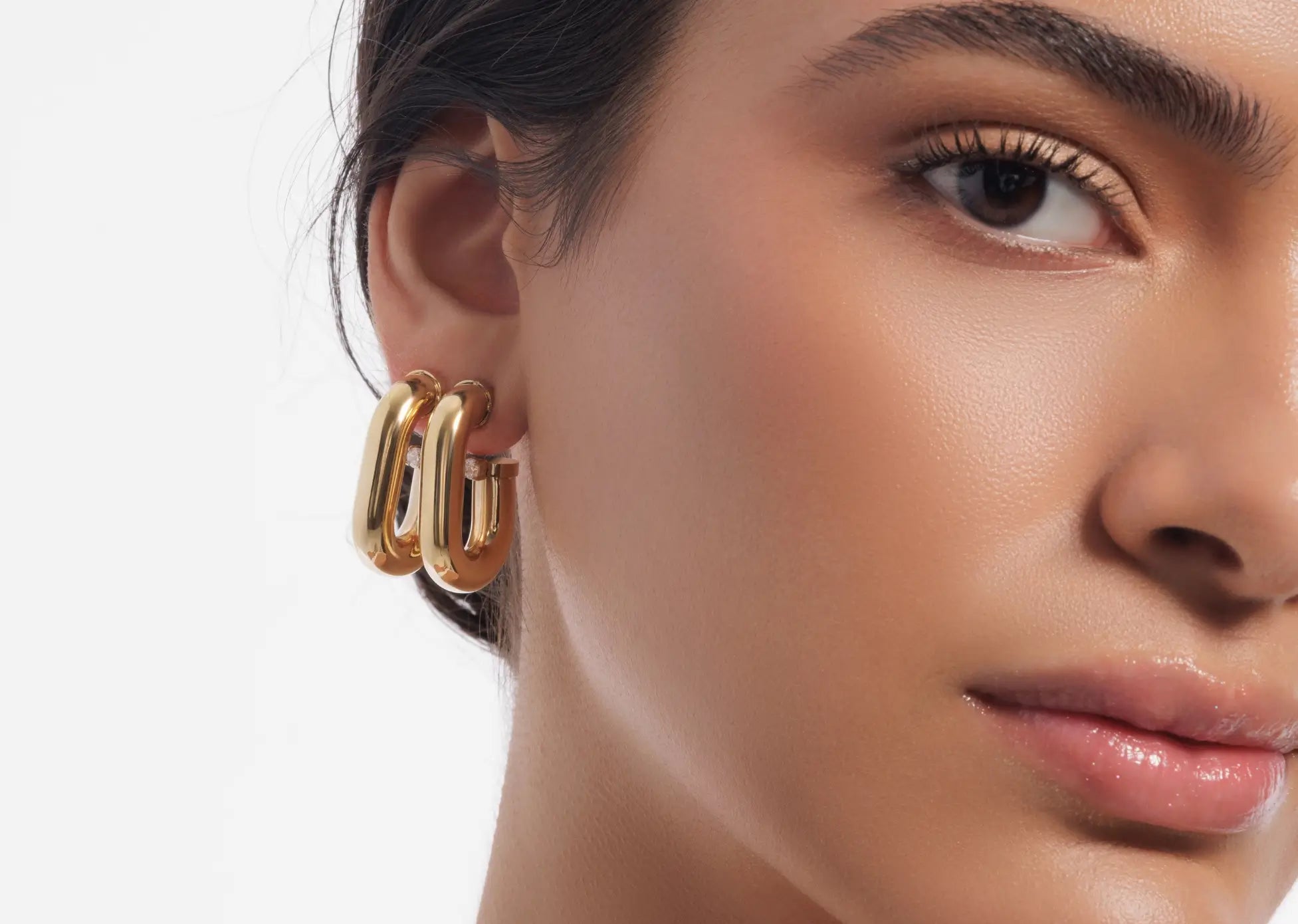
Choose loose, comfortable clothing that you don’t mind getting slightly cleaned or marked. For a smiley piercing, wear a top that is easy to remove if you need to rinse your mouth or adjust your position. For a daith piercing, wear a hoodie or hat if you plan to cover your ear afterward.
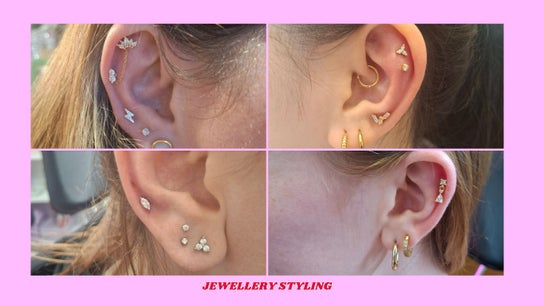
Most reputable studios require a valid government-issued ID to verify your age. Bring your own aftercare saline solution if you have a preference, or ask the piercer for their recommended brand. Having these items ready ensures a smooth start to your healing process.
By following these steps, you help your piercer work more efficiently and reduce your own discomfort. Piercing Pals advises that preparation is the first step toward a successful healing journey.
What to expect for your smiley or daith piercing budget
Piercing Pals recommends setting aside a realistic budget before your appointment. The total cost for a smiley or daith piercing typically ranges from $40 to $80. This baseline price usually includes the procedure fee and standard implant-grade steel jewelry.
Upgrading your jewelry is common, but it adds to the final tab. If you want to upgrade to titanium or a different style, you will pay extra. According to Piercing Pals, you will never pay more than $100 plus tax for each piercing upgrade. This cap ensures transparency, so you can plan your spending without surprise fees.
When budgeting, consider the full scope. The initial quote covers the needle, the basic jewelry, and the aftercare instructions. Any additional piercings or premium materials will increase the total. Keeping these numbers in mind helps you avoid sticker shock when it’s time to pay.
Heal with proper aftercare
Healing a smiley or daith piercing is a test of patience. These cartilage and mucous membrane piercings are prone to irritation if neglected. Piercing Pals recommends treating your aftercare routine with the same consistency as brushing your teeth. A disciplined daily ritual prevents infection and keeps your jewelry moving freely as it settles.
Clean twice daily with saline
Mix a sterile saline solution or use a pre-made wound wash. Avoid homemade salt mixes, as incorrect ratios can irritate the tissue. Soak a clean paper towel or cotton pad in the solution and hold it against the piercing for five minutes. This softens any dried lymph (crusties) without forcing them off. For a daith piercing, you can also soak your ear in a small bowl of saline for the same duration. Do not use alcohol or hydrogen peroxide; they damage the healing cells you are trying to protect.
Dry gently with a paper towel
Moisture is the enemy of healing piercings. After cleaning, pat the area dry with a fresh, disposable paper towel. Avoid cloth towels, which harbor bacteria and can snag on your jewelry. Gently dab around the entry and exit points until the area is completely dry. This simple step significantly reduces the risk of bacterial growth and irritation bumps.
Leave it alone
Your body needs space to heal. Avoid touching, twisting, or playing with the jewelry. Every time you touch it, you introduce new bacteria and disrupt the forming fistula. For smiley piercings, be mindful when eating or drinking hot liquids, as swelling can make the initial weeks uncomfortable. If you must touch the area, wash your hands thoroughly first. Let the piercing do its work in silence.
Monitor for signs of infection
Some redness and swelling are normal in the first week. However, persistent throbbing, excessive heat, or yellow-green discharge indicates infection. If you notice these symptoms, consult your piercer or a healthcare provider immediately. Do not remove the jewelry yourself, as this can trap the infection inside. Early professional intervention prevents complications and keeps your healing on track.
Watch a piercing demo
Prepare for a Smiley or Daith Piercing works best as a clear sequence: define the constraint, compare the realistic options, test the tradeoff, and choose the path with the fewest hidden costs. That order keeps the advice usable instead of decorative. After each step, pause long enough to check whether the recommendation still fits the reader's actual situation. If it depends on perfect timing, unusual access, or a best-case budget, include a simpler fallback.
The simplest way to use this section is to write down the real constraint first, compare each option against it, and choose the path that still works outside ideal conditions.
Common piercing: what to check next
Healing timelines and pain levels are the most frequent concerns before getting a smiley or daith piercing. At Piercing Pals, we believe in setting realistic expectations so you can care for your new jewelry properly. Here are the answers to the most common questions we receive.
How long does healing take?
Smiley piercings heal faster than most oral piercings because the tissue is highly vascular. You can expect initial tenderness to fade within two to four weeks, though full stabilization may take up to three months. Daith piercings, located in the ear cartilage, have a slower blood supply. Complete healing typically takes six to twelve months, requiring consistent aftercare to prevent migration or rejection.
Are these piercings painful?
Smiley piercings often feel like a quick pinch or sting, lasting only a second. The area is sensitive, but the procedure is swift. Daith piercings involve navigating thick cartilage, which many describe as a deep pressure or dull ache. While not painless, most clients find the discomfort manageable and brief. Our piercers use precise techniques to minimize trauma during the process.
When can I change my jewelry?
Do not attempt to change your own jewelry during the initial healing phase. For smiley piercings, wait at least four to six weeks before swapping to a different style, and always use a professional to avoid infection. Daith piercings require a much longer wait—usually six months minimum—before any jewelry changes. Premature changes can cause tearing, swelling, and prolonged healing times.
No comments yet. Be the first to share your thoughts!