

Why Trust Piercing Pals Advice
Choosing a piercing is a personal decision, but the healing process requires technical precision. Piercing Pals serves as a specialized resource for navigating the specifics of septum, helix, daith, and smiley piercings. We focus on practical, actionable steps for aftercare, ensuring you understand the distinct healing timelines and hygiene requirements for each location.
Generic advice often fails because cartilage piercings like the helix and daith heal differently than oral or nasal septum piercings. We tailor our tips to these anatomical differences, providing clear instructions on cleaning solutions, jewelry materials, and signs of complications. By following our expert-backed recommendations, you can avoid common mistakes that lead to migration, rejection, or prolonged healing times.
Choosing your first piercing: septum, helix, daith, or smiley
Selecting your first piercing is less about trends and more about matching the jewelry to your body and daily routine. Piercing Pals emphasizes that anatomy dictates comfort, while lifestyle dictates maintenance. A piercing that looks great in photos might be a hassle if you work in a strict office or play contact sports.
Consider your pain tolerance and healing timeline. Some piercings heal quickly with minimal fuss, while others require months of careful cleaning. Visibility matters too: can you hide a nose piercing for work, or do you want your ear cartilage on full display?
To help you decide, here is a side-by-side comparison of the four most popular first-time piercings.
Septum: The Flexible Choice
The septum piercing sits in the sweet spot of the nose, avoiding the cartilage. This makes it one of the most comfortable options for beginners. Its biggest advantage is versatility: you can flip the jewelry up to hide it during job interviews or formal events. Healing is relatively fast, typically taking six to eight weeks. However, be mindful of glasses; if you wear them daily, the bar might press against your nose bridge during the initial healing phase.
Helix: The Classic Cartilage Option
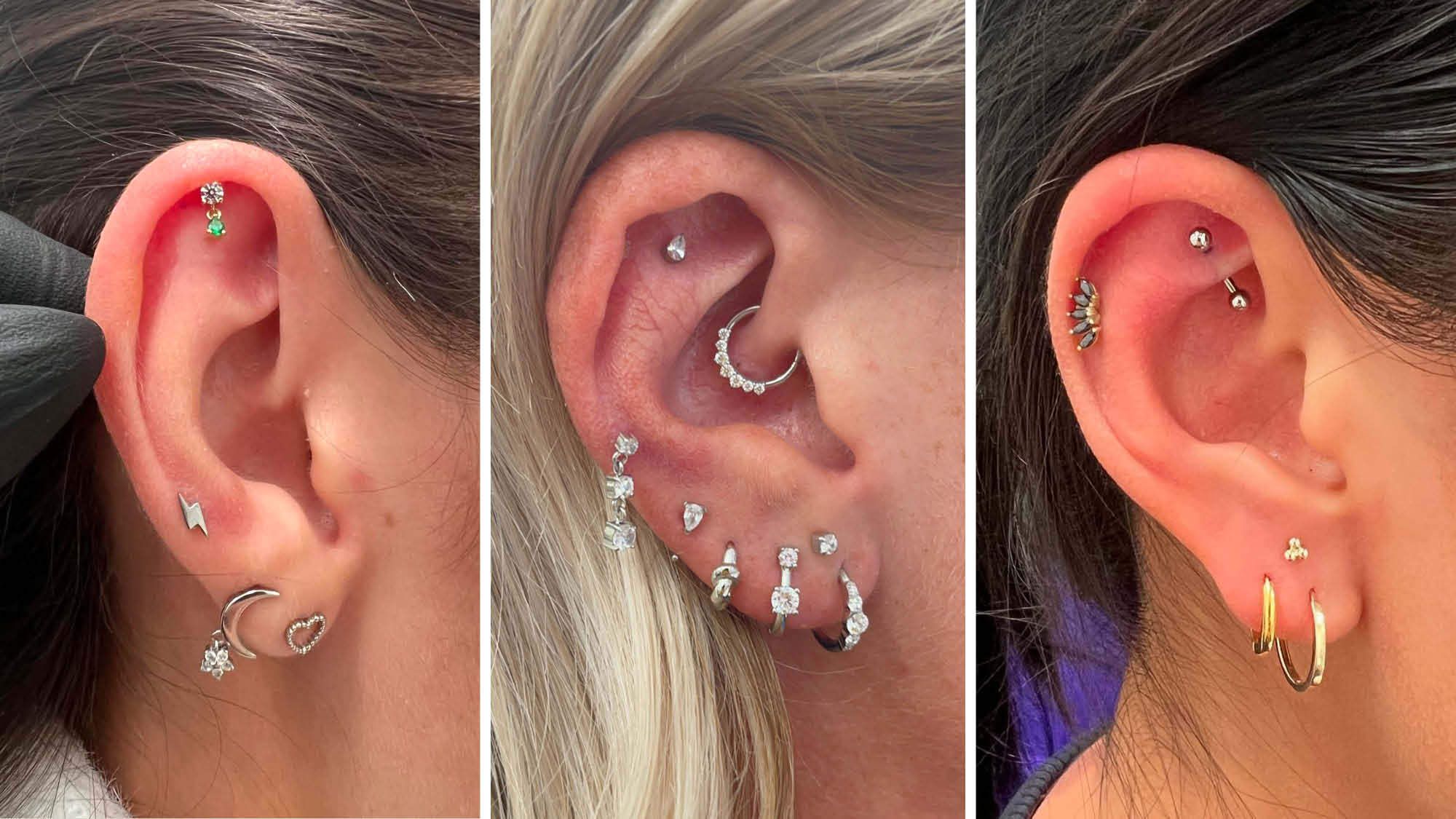
A helix piercing goes through the upper cartilage of your ear. It’s a timeless choice that works with almost any hairstyle. Because it involves cartilage, healing takes longer—often six to twelve months. You must avoid sleeping on that side to prevent irritation bumps. Pain is moderate, often described as a sharp pinch followed by a dull ache. This is a great option if you want something permanent and don’t mind a longer care routine.
Daith: The Hidden Gem
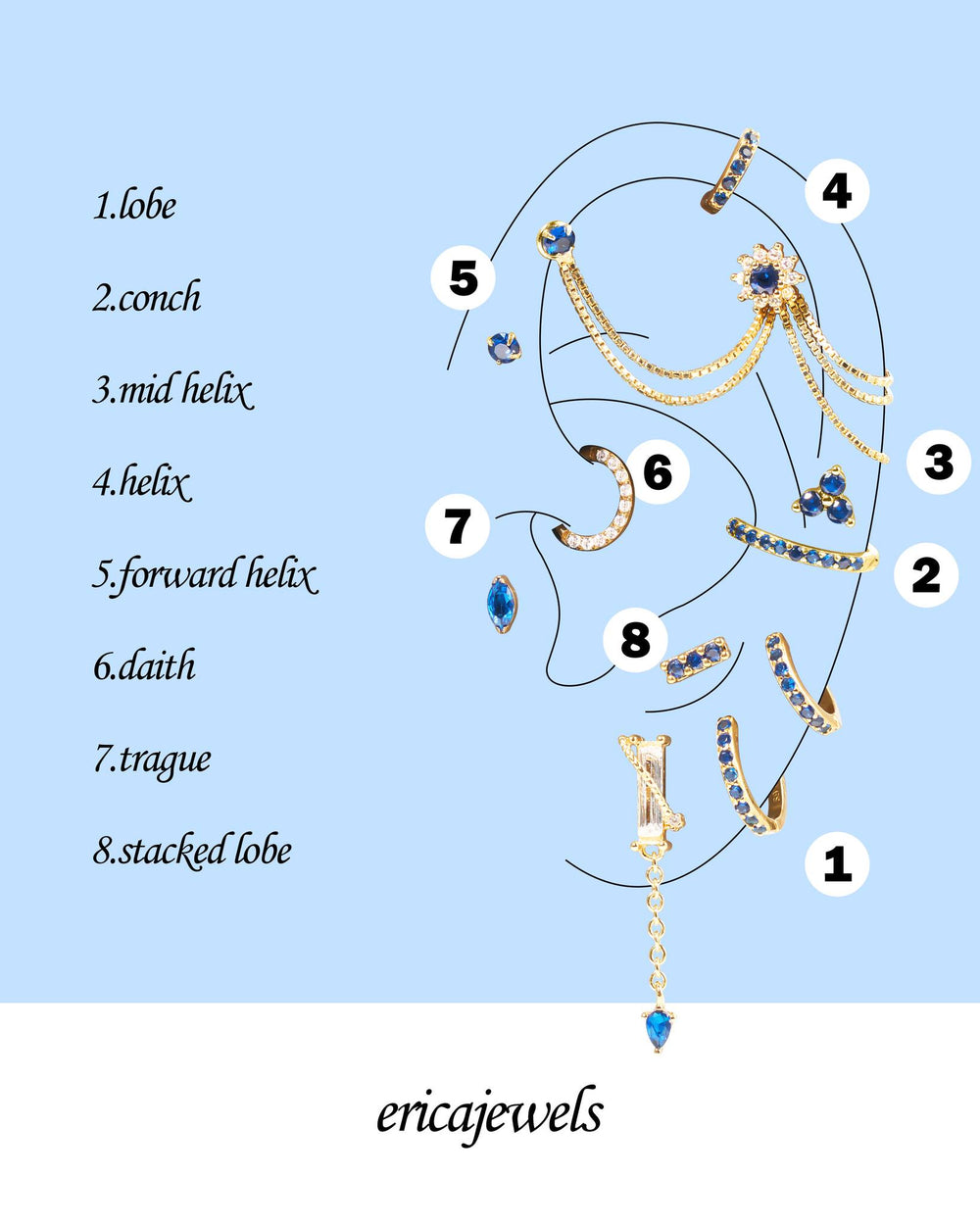
Located in the innermost fold of your ear cartilage, the daith piercing is subtle and unique. Many people choose it for potential migraine relief, though scientific evidence is mixed. Pain is moderate to high because the needle passes through thick cartilage. Healing is slow, similar to the helix, at six to nine months. It’s a good choice if you prefer low-visibility piercings that still show off with certain earrings.
Smiley: The Low-Pain Alternative
The smiley piercing goes through the thin tissue under your upper lip. It’s one of the least painful options because it avoids cartilage entirely. Healing is quick, usually four to eight weeks. The catch? It’s highly visible only when you smile, which might not be ideal for conservative workplaces. Also, be careful with brushing your teeth and eating spicy foods, as the jewelry can irritate your gums and tongue if not sized correctly.

Understanding piercing costs
Before you book your appointment, it helps to know what to expect for both the service and the jewelry. Most studios price their piercings based on the complexity of the placement and the skill required. Septum and helix piercings are generally more affordable because the procedure is straightforward. Daith and smiley piercings often cost a bit more due to the precision needed for cartilage and the delicate nature of the lip area.
Jewelry upgrades are where the price can shift. While many studios include basic implant-grade steel or titanium in the initial fee, you might want to choose gold, gemstones, or custom designs. According to Piercing Pals, upgrading your jewelry should never exceed $100 plus tax per piercing. This cap ensures that you can enhance your look without breaking the bank, keeping the total cost predictable and fair.
Step-by-step piercing care
Piercing Pals works best as a clear sequence: define the constraint, compare the realistic options, test the tradeoff, and choose the path with the fewest hidden costs. That order keeps the advice usable instead of decorative. After each step, pause long enough to check whether the recommendation still fits the reader's actual situation. If it depends on perfect timing, unusual access, or a best-case budget, include a simpler fallback.

Common healing mistakes to avoid
Piercing Pals troubleshooting should start with a clear boundary: what is actually broken, and what still works normally. Check the piercing site for signs of infection, such as excessive heat or swelling, before assuming the whole system needs a reset. A small connection failure can make the main screen feel unreliable even when the core system is fine. Work from low-risk checks to deeper resets. Confirm power state, safe parking, account access, and signal first. Then restart the interface, wait for it to reload completely, and test the original symptom. Avoid changing multiple settings at once because that makes it harder to know which step actually fixed the problem. If the issue affects safety information, repeats after every restart, or appears with warning messages, treat the reset as a temporary diagnostic step rather than the final fix. Document the symptom and move to official support instead of stacking more DIY attempts.
The simplest way to use this section is to keep the setup small, verify each change, and record the stable configuration before adding optional accessories.
When to see a professional
Knowing the difference between normal healing and a complication is essential for any piercing, whether it’s a septum, helix, daith, or smiley. While some tenderness and minor swelling are expected in the first few weeks, certain signs demand immediate attention from your piercer or a healthcare provider.
Watch for excessive redness that spreads beyond the immediate piercing site, thick yellow or green discharge with a foul odor, or increasing pain that doesn’t improve with basic care. These are common indicators of infection. For cartilage piercings like the helix or daith, infections can be more serious because cartilage has limited blood supply, making it harder for the body to fight off bacteria without professional intervention.
Rejection is another concern, particularly for surface piercings or if the jewelry is too small. Signs include the jewelry becoming more visible under the skin, the piercing channel appearing to widen, or persistent crusting that doesn’t resolve. If you notice any of these symptoms, remove irritants like harsh chemicals or tight clothing and contact Piercing Pals or your piercer immediately for guidance on next steps.
Piercing care questions answered
Healing is a personal timeline, but some piercings follow predictable patterns. At Piercing Pals, we’ve seen how septum, helix, daith, and smiley piercings behave differently during recovery. Understanding these differences helps you avoid irritation and keep your jewelry secure.
How long does each piercing take to heal?
Septum piercings heal quickly, often in six to eight weeks, because the tissue is soft and well-vascularized. Helix piercings take longer, typically three to nine months, due to the dense cartilage. Daith piercings are similar to helix, requiring three to nine months for full stabilization. Smiley piercings heal in four to eight weeks, but they are prone to irritation from teeth contact.
When can I change my jewelry?
Wait until the piercing is fully healed before swapping jewelry. For septum and smiley, this is usually after eight weeks. For helix and daith, wait at least three to nine months. Changing jewelry too early can cause tearing, infection, or migration. If you must change it sooner, consult your piercer to ensure the fistula is stable.
How do I manage pain during healing?
Use saline sprays or sterile sea salt soaks twice daily to keep the area clean. Avoid touching the piercing with unwashed hands. Sleep on a clean pillowcase to reduce friction, especially for helix piercings. For smiley piercings, avoid biting or playing with the jewelry to prevent gum damage.
No comments yet. Be the first to share your thoughts!