

Ear Galaxies: The Rise of Constellation Piercings
The ear is becoming a canvas for multiple piercings arranged to resemble constellations. This trend, often called "constellation piercings,’ is seeing a huge surge in popularity. It"s about creating a personalized, asymmetrical arrangement of piercings that feels unique to the wearer.
What started as a niche aesthetic has moved into the mainstream, fueled by social media and a desire for self-expression. The appeal lies in the customization. You can tell a story with your ear piercings, and the possibilities are pretty endless. It’s a shift away from perfectly symmetrical looks toward something more organic and free-flowing.
Sarah James’s article on Whoorl captured the feeling that constellation piercings are a favorite accessory for many. She highlights the artistry and personal touch that goes into creating these earscapes. It’s not just about getting piercings; it’s about curating a miniature galaxy on your ear. The trend feels empowering, letting people take control of their aesthetic and create something truly special.
A well-executed constellation piercing is striking and eye-catching. It’s a conversation starter, and a way to showcase your individual style. It moves beyond simple adornment and becomes a form of wearable art.
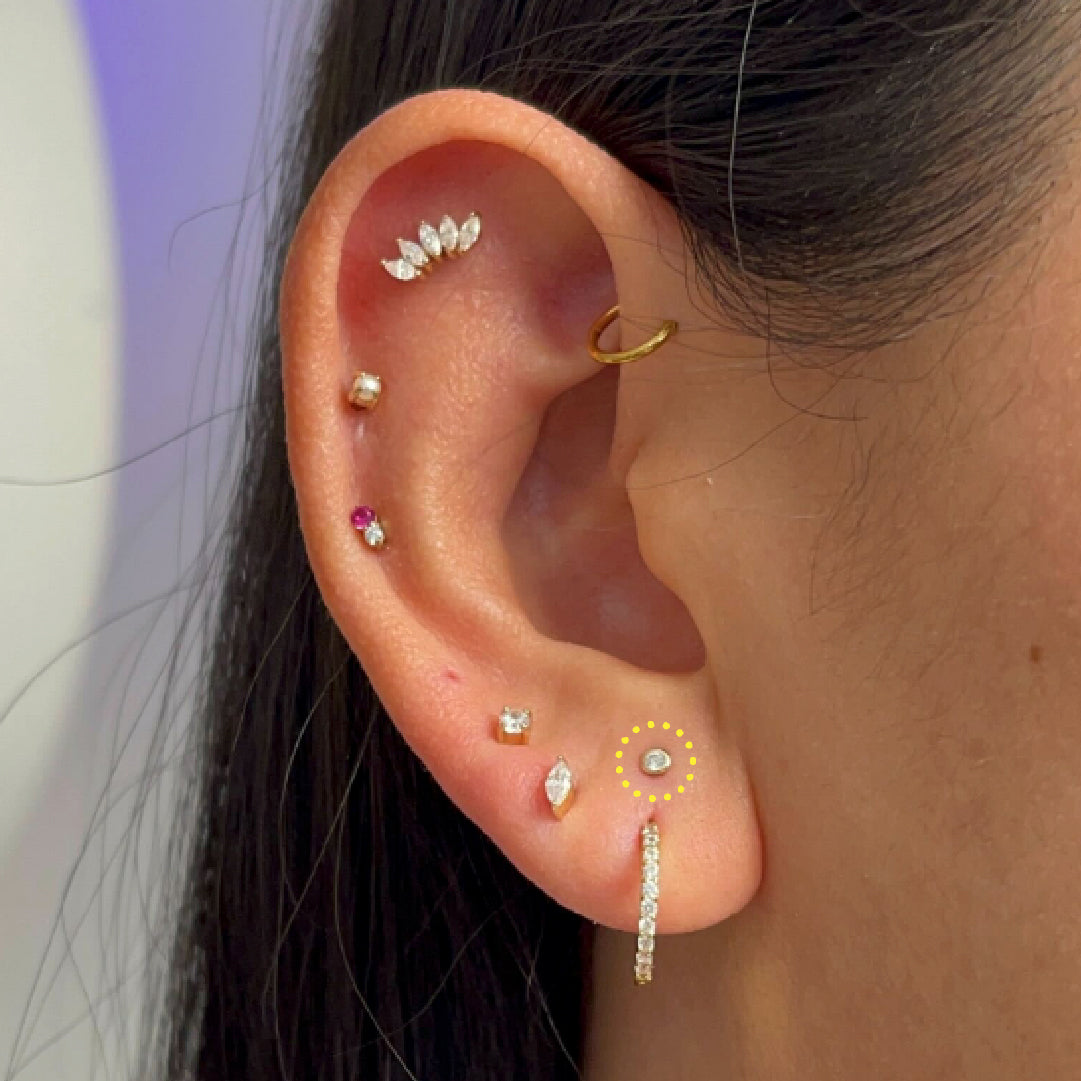
Mapping Your Ear: Anatomy & Placement
Before planning your ear constellation, understand the anatomy of the ear and the different areas suitable for piercings. The helix is the classic cartilage piercing along the upper outer rim, and generally heals within 6-9 months. The forward helix, located closer to the face, is also popular but can be a bit more sensitive.
Moving inward, the tragus and anti-tragus offer unique placement options. The tragus, that little flap that partially covers the ear canal, typically heals within 4-8 months, while the anti-tragus, opposite the tragus, can take longer – up to a year. The conch, both inner and outer, provides a larger surface area for more elaborate arrangements. The outer conch is the flat area, and the inner conch is the cup-like depression leading to the ear canal.
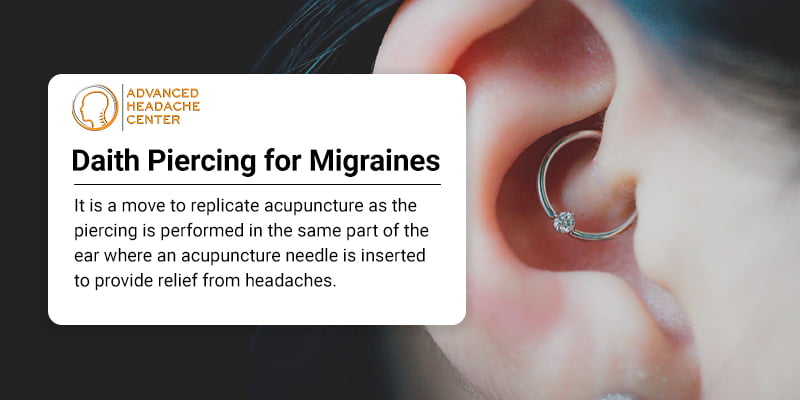
The rook, daith, industrial, and snug are more specialized piercings. The rook sits in the ridge above the daith, healing in 6-12 months. The daith, a cartilage fold inside the ear, is often chosen for its potential to help with migraines, although the evidence is anecdotal. An industrial piercing connects two points on the upper cartilage with a single barbell, and requires careful consideration due to its length and potential for irritation. The snug piercing curves along the inner cartilage rim.
Healing times vary based on individual factors, including overall health and aftercare routine. Complications like infection, keloid formation, or migration are possible with any piercing, so choosing a reputable piercer is essential. Ear shape also plays a role. Some ears are naturally flatter or more curved, which can influence where piercings look best and how comfortable they feel. What looks fantastic on one person might not translate perfectly to another.
- Helix: 6-9 months
- Forward Helix: 6-9 months
- Tragus: 4-8 months
- Anti-Tragus: Up to 12 months
- Conch (Inner & Outer): 6-12 months
- Rook: 6-12 months
- Daith: 6-12 months
- Industrial: 6-12 months
- Snug: 6-12 months
Imagine a CEO with multiple ear piercings or those shaved eyebrows broers do
— An Enigma (@g20enigma) April 10, 2026
No man
We need get serious
Some things don't belong in certain spaces https://t.co/3MmtJ0GKBZ
2026 Trend Forecast: Styles & Metals
Looking ahead to 2026, expect a continuation of the mixed-metal trend. People are moving away from sticking to just one metal and are experimenting with combinations of gold, silver, and rose gold. This allows for greater visual interest and customization. Pierced.co showcases many of these combinations in their curated collections.
Gemstone accents will also be big. Small, delicate gemstones – think tiny diamonds, opals, or birthstones – are being incorporated into constellation piercings to add a touch of sparkle and personalization. There's a move away from large, statement gemstones towards more subtle, refined details. A renewed interest in celestial-themed jewelry, with star and moon motifs, is also gaining popularity.
The debate between minimalist and maximalist approaches will continue. Some people prefer a clean, understated look with just a few carefully placed piercings, while others embrace a bolder, more elaborate aesthetic. Both styles will likely thrive, catering to different tastes and preferences. There's no right or wrong answer; it's all about what feels right for the individual.
Emerging jewelry designs include more organic shapes and asymmetrical settings. Traditional prong settings are still popular, but bezel settings – where the stone is surrounded by a metal rim – are gaining traction for their secure and modern look. Flatback posts are also becoming increasingly common, as they offer greater comfort and reduce the risk of snagging.
Designing Your Constellation: A Step-by-Step Guide
Planning your constellation piercing arrangement requires careful consideration. Assess your ear shape and identify areas suitable for piercings. Consider your existing piercings – how can you incorporate them into the new design? Do you want a symmetrical or asymmetrical look? Asymmetry is popular right now, creating a more organic and natural feel.
Experiment with different layouts. Sketch out ideas on paper, or use digital tools like ear piercing planner apps to visualize your design. These apps allow you to upload a photo of your ear and virtually "try on" different piercings. This is a great way to get a sense of how the arrangement will look before committing to anything. The apps aren't always perfect, but they're a good starting point.
Think about balancing sizes and shapes. Varying the size and shape of the jewelry can add visual interest. Consider using a combination of studs, rings, and barbells. Don’t be afraid to mix and match different styles, but make sure the overall arrangement feels cohesive. It’s easy to get carried away, so start small and build gradually.
Consult with a professional piercer. They can assess your ear anatomy, offer advice on placement, and help you create a design that is both aesthetically pleasing and safe. A good piercer will also advise you on jewelry choices and aftercare. They can help you avoid potential complications and ensure a smooth healing process. Don't hesitate to ask questions and express your concerns.
Jewelry Choices: Quality & Materials
For constellation piercings, jewelry quality is paramount. Surgical steel is a common and affordable option, but titanium is often preferred for its hypoallergenic properties. 14k or 18k gold is a luxurious choice, offering both beauty and durability. Implant-grade materials are the gold standard, providing the highest level of biocompatibility.
Hypoallergenic jewelry is essential to minimize the risk of allergic reactions and irritation. Nickel is a common allergen, so avoid jewelry that contains it. Look for jewelry made from materials that are specifically designed for piercings. You want something that won’t leach harmful chemicals into your skin.
Different jewelry settings offer varying security and comfort. Prong settings are classic and allow for maximum sparkle, but they can sometimes snag on clothing. Bezel settings provide a more secure hold and a sleek, modern look. Flatback posts are a popular choice for cartilage piercings, as they reduce snagging and irritation.
Find a reputable jeweler. Look for jewelers who specialize in body jewelry and have a good reputation for quality and customer service. Don’t be afraid to ask questions about the materials and craftsmanship. A good jeweler will provide detailed information and help you choose the perfect jewelry for your constellation piercing.
Aftercare & Healing: Keeping Your Galaxy Sparkling
Proper aftercare is essential for healing multiple ear piercings. Clean the piercings twice a day with a sterile saline solution. Avoid harsh soaps, alcohol, and hydrogen peroxide, as these can irritate the skin and delay healing. Gently clean around the jewelry, removing any crust or debris.
Healing timelines vary depending on the location of the piercing. Cartilage piercings generally take longer to heal than lobe piercings. Be patient and consistent with your aftercare routine. Avoid touching or twisting the jewelry, as this can introduce bacteria and cause irritation. Resist the urge to change the jewelry until the piercing is fully healed.
Recognize signs of infection. Look out for excessive redness, swelling, pain, pus, or fever. If you suspect an infection, consult a doctor or piercer immediately. Don’t attempt to treat an infection yourself.
Many aftercare myths exist. One common myth is that you need to rotate the jewelry to promote healing. This is counterproductive, as it can irritate the piercing and delay healing. Another myth is that you should use antibiotic ointment. This can trap bacteria and prevent the piercing from breathing. Stick to a simple saline solution and follow your piercer’s instructions.
- Cleaning: Sterile saline solution twice daily
- Avoid: Harsh soaps, alcohol, hydrogen peroxide
- Signs of Infection: Redness, swelling, pain, pus, fever
Cost Breakdown: Budgeting for Your Earscape
The cost of constellation piercings can vary significantly depending on several factors. The piercing itself typically ranges from $30 to $80 per piercing, depending on the piercer’s experience and location. Jewelry costs can range from $20 for a basic stud to $200 or more for a high-quality gemstone setting.
Aftercare products, such as saline solution and cleaning swabs, will add another $10 to $20 to the total cost. Factor in the cost of potential replacements if you decide to change your jewelry later on. Some people opt for multiple sessions to spread out the cost and minimize discomfort.
Factors influencing the price include the piercer’s expertise, the quality of the jewelry, and the studio’s location. Studios in major cities tend to charge more than those in smaller towns. Choosing a reputable piercer who uses high-quality jewelry is worth the investment, as it can reduce the risk of complications and ensure a beautiful result.
undefined more elaborate arrangement with high-end jewelry could easily exceed $1000. It’s important to set a realistic budget and prioritize quality over price.
Real Piercing Stories: Inspiration & Advice
Hearing from others who have embarked on the constellation piercing journey can be incredibly inspiring. Many people share their experiences and photos online, offering valuable advice and encouragement. I’ve seen everything from delicate, minimalist arrangements to bold, statement-making earscapes.
One common theme is the importance of patience. Healing multiple piercings takes time and dedication. Don’t rush the process, and be prepared to adjust your aftercare routine as needed. Another piece of advice is to choose a piercer you trust and feel comfortable with. A good piercer will listen to your ideas and help you create a design that is perfect for you.
People with different ear shapes and sizes have found creative ways to create stunning constellation piercings. Don’t be afraid to experiment and think outside the box. There are no rules when it comes to this trend – it’s all about expressing your individual style.
You can find a wealth of inspiration and advice on Reddit threads dedicated to piercings. These forums are a great place to ask questions, share photos, and connect with other piercing enthusiasts. The community is incredibly supportive and welcoming.

No comments yet. Be the first to share your thoughts!