

Constellation Ears: The Look Taking Over
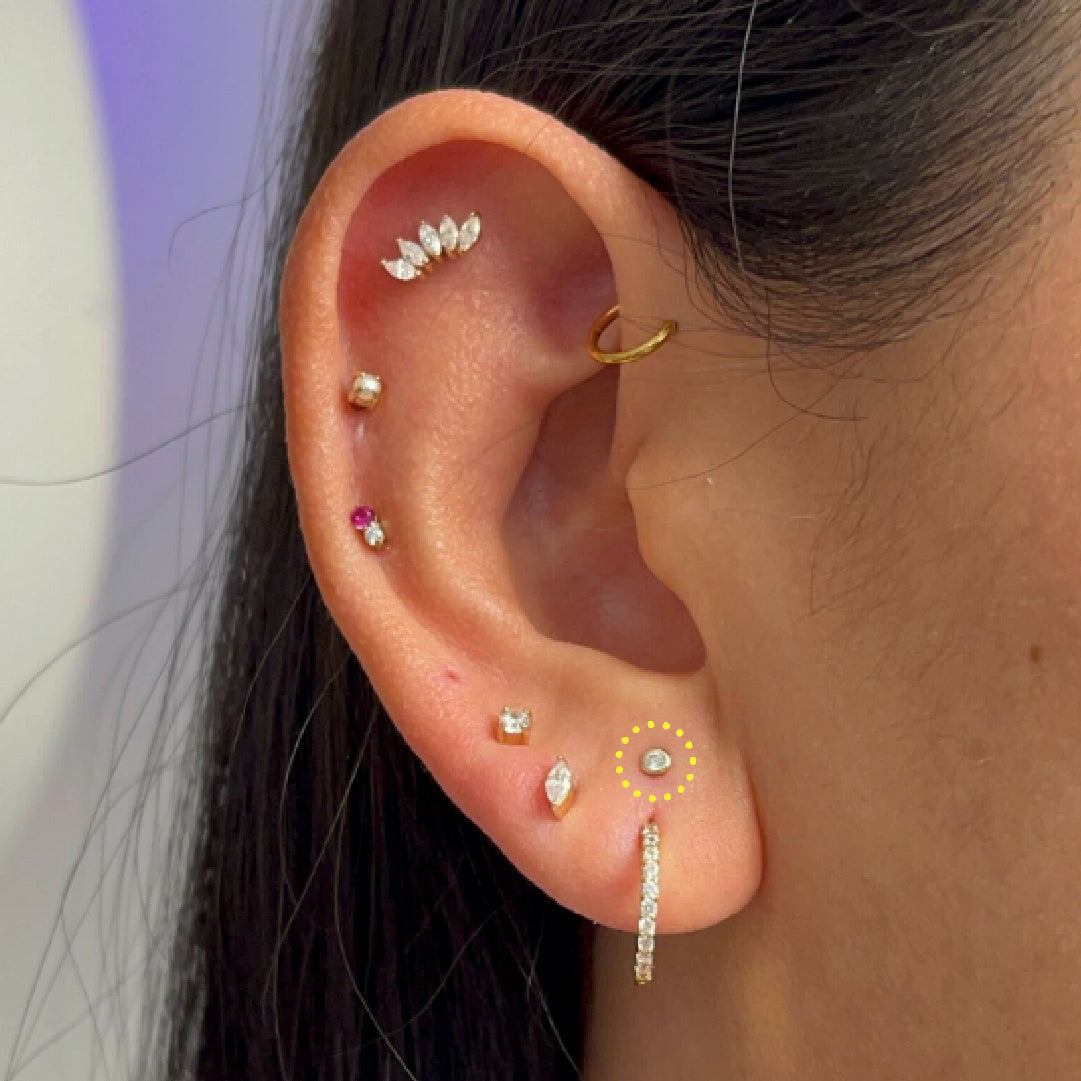
Constellation ear piercings, a curated collection of piercings arranged to resemble a miniature galaxy across the ear, are a new trend gaining serious momentum. The look involves multiple piercings, often a mix of helix, forward helix, tragus, and conch piercings, all connected by a thoughtful arrangement of jewelry.
This trend is experiencing a resurgence. It feels like a natural evolution of ear stacking, taking personalization to a whole new level. It’s a way to create a unique and ever-changing piece of wearable art.
Sarah James of Whoorl recently highlighted constellation piercings as a 'very favorite accessory.' The appeal is clear – it’s a subtle yet striking statement. It’s not about flashy, oversized jewelry, but about the artistry of the arrangement itself. It's a way to express personality and style without being overly ostentatious. It feels modern, playful, and a little bit magical.
Beyond the Basics: Piercing Placements
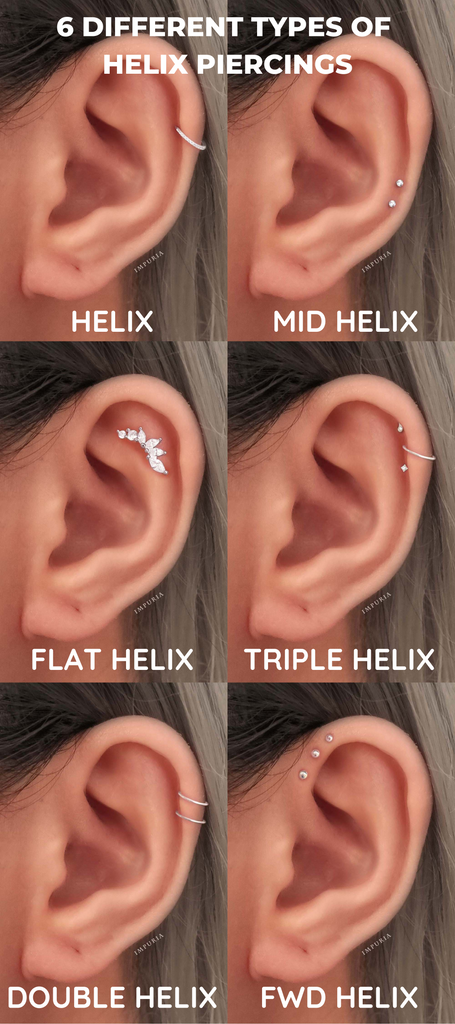
Creating a beautiful constellation requires understanding ear anatomy and available piercing options. The helix piercing, the cartilage along the upper outer rim of the ear, is a common starting point. It heals relatively quickly and can accommodate various jewelry styles.
The forward helix, along the curve of the upper ear closer to the face, is another popular choice. It’s more sensitive than the standard helix, so careful aftercare is essential. The tragus, the small cartilage flap that partially covers the ear canal, is a great spot for smaller, delicate studs.
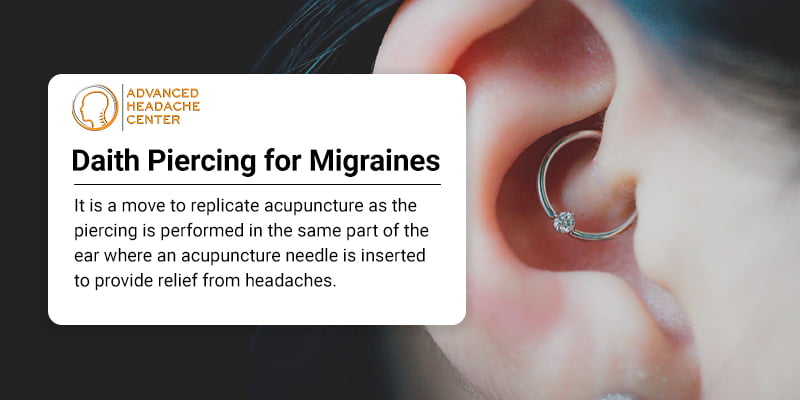
For a more substantial look, consider the conch piercing, which pierces the cartilage in the cup of the ear (inner) or the flat cartilage further out (outer). The rook, in the antihelix (the ridge above the tragus), and the daith, which pierces the inner cartilage fold, are also frequently incorporated. The industrial, a single piece of jewelry connecting two piercings, can be a dramatic addition, though it requires specific anatomy.
Jewelry choice is heavily influenced by placement. Studs work well on tragus and helix piercings, while delicate rings or chains can connect multiple points. Barbells are often used for initial piercings to allow for swelling, but can be swapped for more decorative pieces once healed. Map out the placements beforehand to consider the overall flow and balance.
2026 Predictions: What’s Driving the Trend?
Constellation piercings are taking off now due to a confluence of factors. The steady rise in multiple ear piercings and the increasing popularity of ear stacking over the past few years have paved the way. Constellation piercings are a natural progression of that trend – a more curated and artistic take on ear adornment.
There’s also a reaction against the overly minimalist aesthetic that’s been dominant. While delicate, single pieces of jewelry will always have a place, people are craving more self-expression and personalization. Constellation piercings allow for this without being overly bold or flashy. It's a subtle statement that reflects individual style.
Social media, particularly TikTok and Instagram, plays a huge role. The visual nature of these platforms allows people to showcase unique earscapes and inspire others. Seeing creative arrangements online sparks ideas and encourages experimentation. It’s a trend that’s easily shareable and visually appealing.
Talking stage: I don’t like girls that has multiple ear piercings, use nose rings and also wear leg chain☺️
— Kaothar❤ (@Omotola2326) April 14, 2026
Me:👇 pic.twitter.com/BhpEZf0TOb
Jewelry Choices: Metals and Styles
For initial constellation piercings, metal matters. Surgical steel is a good starting point – it's affordable and hypoallergenic for most people. Titanium is another excellent option, offering greater biocompatibility, especially for sensitive skin. Solid 14k or 18k gold is the ultimate choice, but comes with a higher price tag.
Avoid nickel, a common allergen that can cause irritation. Studs, rings, and delicate chains are popular styles. Smaller, more understated pieces often work best for constellation arrangements, allowing the overall design to shine. Pierced.co offers a curated selection of jewelry for ear stacking and constellation piercings.
Mixing metals is a matter of personal preference. Some prefer a cohesive look with all gold or all silver, while others enjoy the contrast of mixing different tones. Gemstones can add sparkle, but be mindful of their size and placement – they should complement the overall design, not overwhelm it.
Experiment with different jewelry combinations, but prioritize quality and biocompatibility, especially for initial piercings. Upgrading your jewelry after the piercings have fully healed personalizes your look.
Healing and Aftercare: A Marathon, Not a Sprint
Constellation piercings involve multiple piercings, meaning a longer and more complex healing process. You're dealing with several wounds simultaneously, each requiring consistent care. Be prepared for a commitment of several months, even up to a year, for full healing.
Use a saline wound wash twice a day. Avoid harsh chemicals, alcohol-based cleansers, and touching the piercings with dirty hands. Gently clean around the jewelry, removing any crust or debris. Don’t twist or rotate the jewelry, as this can disrupt healing. Avoid sleeping on your side and be careful with headphones or anything that might snag on the piercings.
Recognize signs of infection: redness, swelling, pain, pus, and fever are red flags. If you suspect an infection, see a piercer or doctor immediately. Don't attempt to self-treat. Patience is key; resist the urge to change jewelry before piercings are fully healed, as this can cause irritation and prolong healing.
Healing times vary. Helix and forward helix piercings typically take 6-9 months to heal, while cartilage piercings like the daith and rook can take up to a year or longer. Follow your piercer’s specific aftercare instructions if you have concerns.
Cost Breakdown: What to Expect
Constellation piercings aren’t cheap. The cost varies widely depending on the number of piercings, the piercer’s rates, and jewelry choices. Expect to pay $50 to $150 per piercing for the piercing fee.
Jewelry costs add up quickly. Initial surgical steel or titanium jewelry might range from $20 to $80 per piece. Gold or gemstones can easily exceed $100 per piece. You'll need jewelry for each piercing, so costs escalate.
Regional price differences play a role. Piercing studios in major cities charge more than those in smaller towns. Call around and get quotes from several studios before deciding. Factor in after
A constellation piercing involving 5-7 piercings could easily cost between $300 and $800 or more, depending on your choices. It’s an investment, but one that can be well worth it if you love the look and are committed to proper aftercare.
Jewelry Material Comparison for Constellation Piercings
| Material | Initial Cost | Durability | Hypoallergenic Properties | Aesthetic Appeal |
|---|---|---|---|---|
| Titanium | Moderate to High | Excellent | Excellent - generally considered the most biocompatible | Modern, subtle, versatile |
| Gold (14k/18k) | High | Good | Good, but can vary based on alloy. 14k is more durable than 18k. | Classic, luxurious, wide range of color options |
| Surgical Steel | Low to Moderate | Good | Good for most, but can contain nickel which is an allergen for some | Sleek, contemporary, readily available |
| Platinum | Very High | Excellent | Excellent - highly biocompatible and resistant to corrosion | Elegant, understated, durable, maintains polish |
| Gold Plated (over Surgical Steel) | Low | Fair | Variable - relies on the base metal (surgical steel) for hypoallergenic properties, plating can wear off | Offers the look of gold at a lower price point, but less durable |
Illustrative comparison based on the article research brief. Verify current pricing, limits, and product details in the official docs before relying on it.
Finding a Reputable Piercer
This is the most important step. Don’t skimp on research. Choosing a skilled and experienced piercer is crucial for a safe and successful piercing experience. Look for a studio that is clean, well-maintained, and uses sterilized equipment. The piercer should be knowledgeable, professional, and willing to answer all your questions.
Check for professional certifications, such as those from the Association of Professional Piercers (APP). A reputable studio will have strict sterilization procedures in place, including the use of autoclaves to sterilize jewelry and instruments. Observe the studio's hygiene practices – are surfaces cleaned regularly? Are gloves worn during the piercing process?
Before getting pierced, ask the piercer about their experience with constellation piercings specifically. Discuss your design ideas and ensure they are feasible given your ear anatomy. Don’t be afraid to ask about their aftercare recommendations and what to expect during the healing process. A good piercer will prioritize your safety and satisfaction.
Trust your gut. If something feels off about a studio or piercer, don’t hesitate to go somewhere else. Your health and safety are paramount. Taking the time to find a reputable piercer is the best investment you can make in your constellation ear journey.

No comments yet. Be the first to share your thoughts!