

Helix & Forward Helix: A Visual Guide
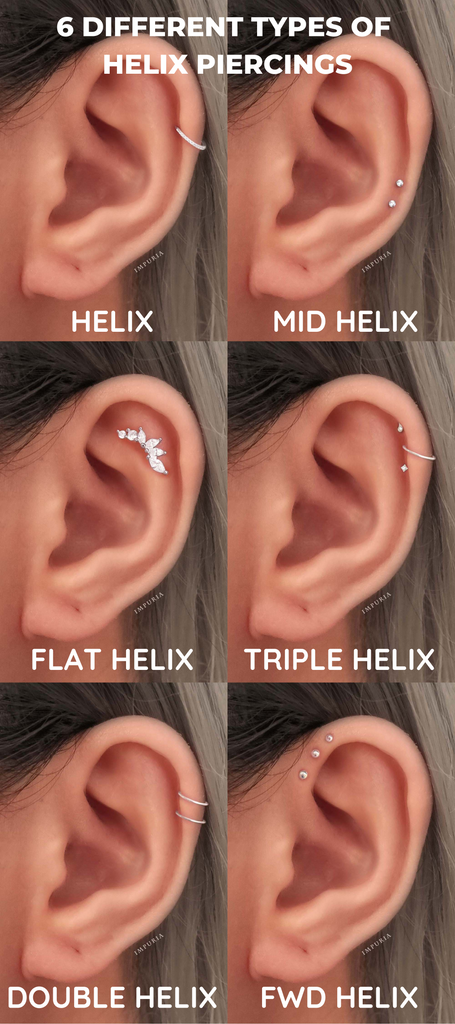
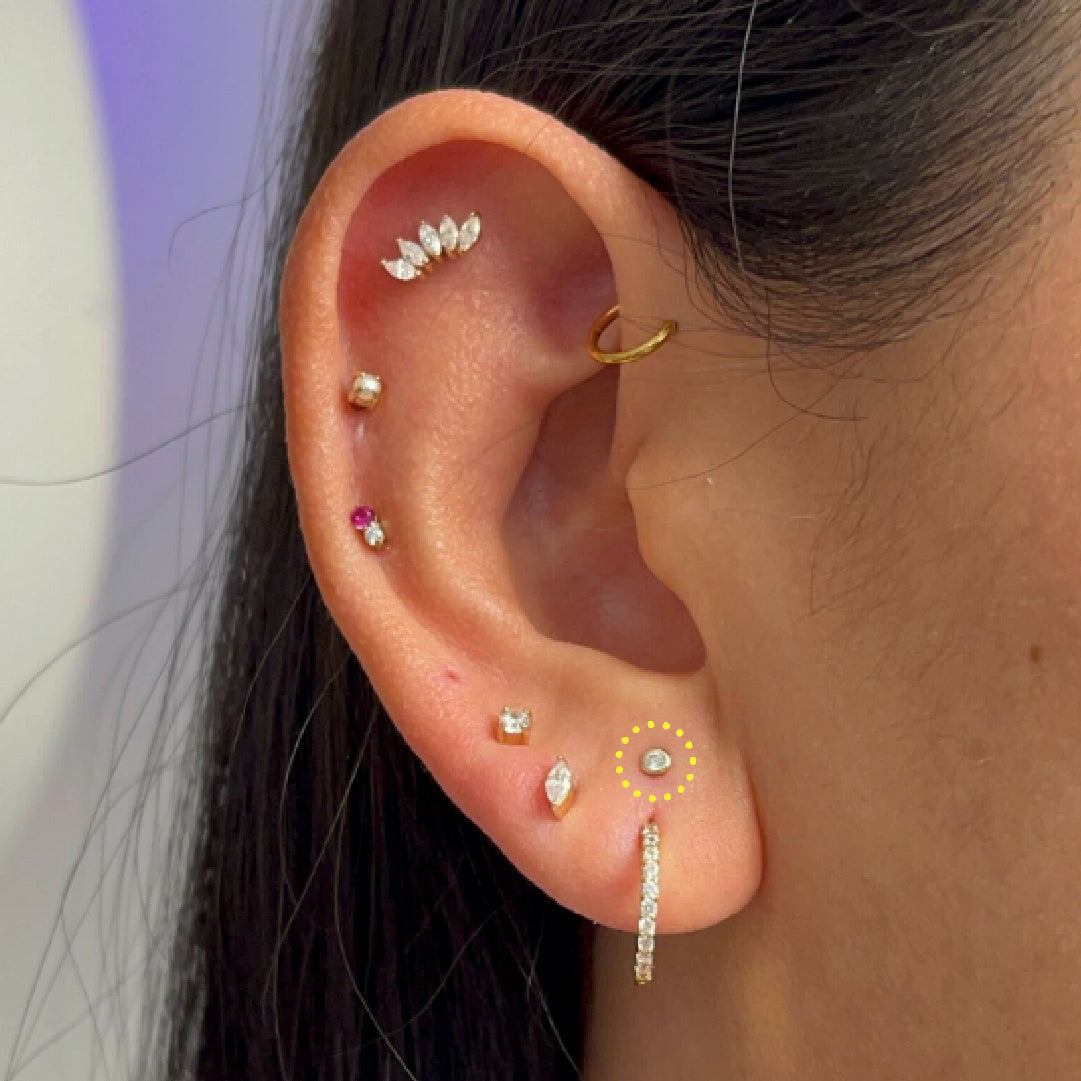
A helix piercing goes through the outer cartilage of the upper ear, the curved portion. Most people choose a small ring or stud for a classic look. A forward helix piercing sits on the front part of the upper ear, closer to your face. It's also cartilage-based but positioned further forward than a traditional helix.
The forward helix placement follows a line from the top of the ear towards the cheek. Jewelry for a forward helix is typically smaller, often a delicate stud. Pain varies; many report helix discomfort as 3-4 out of 10, while a forward helix can be 5-6. This is subjective.
The main visual difference is placement. The helix is on the outer curve, blending with the ear's shape. The forward helix is more prominent and noticeable, offering a bolder look. Both are popular, but the forward helix is often considered more modern or trendy. Looking at pictures online shows the subtle but important differences.
Pain & Healing: What to Realistically Expect
A helix piercing generally registers as moderately painful. It's a quick pinch, but the cartilage is dense. A forward helix tends to be more sensitive due to less cartilage and proximity to nerve endings, leading to a sharper, more intense sensation. Pain tolerance is individual; what one person finds manageable, another might find uncomfortable.
Healing times are important. A standard helix piercing can take 6-9 months to fully heal, sometimes longer. The forward helix typically takes a similar amount of time but can be prone to longer healing periods due to its location and potential for irritation. Lynn Loheide’s site recommends cleaning twice daily with sterile saline solution during the initial healing phase and avoiding harsh chemicals or excessive touching.
Common complications include cartilage bumps – small, raised areas around the piercing site. These aren't infections but can be annoying and sometimes painful. Infections are possible, so proper aftercare is critical. Redness, swelling, pus, and excessive pain are signs of a potential infection and require immediate attention from a piercer or doctor. Consistent cleaning and avoiding pressure on the piercing are the best defenses.
The healing process isn't linear. There will be good days and bad days. Don't get discouraged by minor setbacks. Patience is key. Maintaining good hygiene and following your piercer’s aftercare instructions ensures a smooth healing process.
- Clean the piercing twice daily with sterile saline solution.
- Avoid touching or rotating the jewelry unnecessarily.
- Keep hair and other irritants away from the piercing site.
- Watch for signs of infection (redness, swelling, pus, pain).
Jewelry Options: Beyond the Basics
For initial jewelry, surgical steel is a common and affordable option. Titanium is generally a better choice, especially for those with sensitivities, as it's hypoallergenic and less likely to cause a reaction. Once healed, explore other materials like 14k or 18k gold, ensuring it's genuine and not plated, as plated jewelry can irritate the piercing.
For helix piercings, both rings and studs work well. Small captive bead rings (CBRs) and seamless rings are popular. Studs offer a more subtle look. For forward helix piercings, studs are generally preferred as they're less likely to snag or get caught. Smaller, more delicate studs are ideal.
Jewelry size is important. It should fit comfortably without being too tight or too loose. Your piercer will help choose the right size. Later, you can experiment with different styles and sizes, but always ensure the jewelry is high-quality and appropriate for a cartilage piercing. Changing jewelry too soon disrupts the healing process, so wait until it's fully healed.
Cost Breakdown: Piercing & Beyond
The cost of a helix or forward helix piercing varies by location and studio. Expect to pay $30-$80 for the piercing. A reputable studio with experienced piercers will likely be on the higher end of that range. Don't automatically choose the cheapest option – quality and safety are paramount.
Initial jewelry adds to the cost. Simple surgical steel jewelry might be included, but upgrading to titanium or gold can add $20-$100+. Aftercare products, like saline solution, cost around $10-$20. Be prepared for potential touch-ups or fixes for complications, which could add $20-$50.
A skilled piercer is worth the investment. They ensure proper placement, use sterile equipment, and provide detailed aftercare instructions. Skimping on cost can lead to complications and more expensive treatments later.
Forward Helix: Styling & Limitations
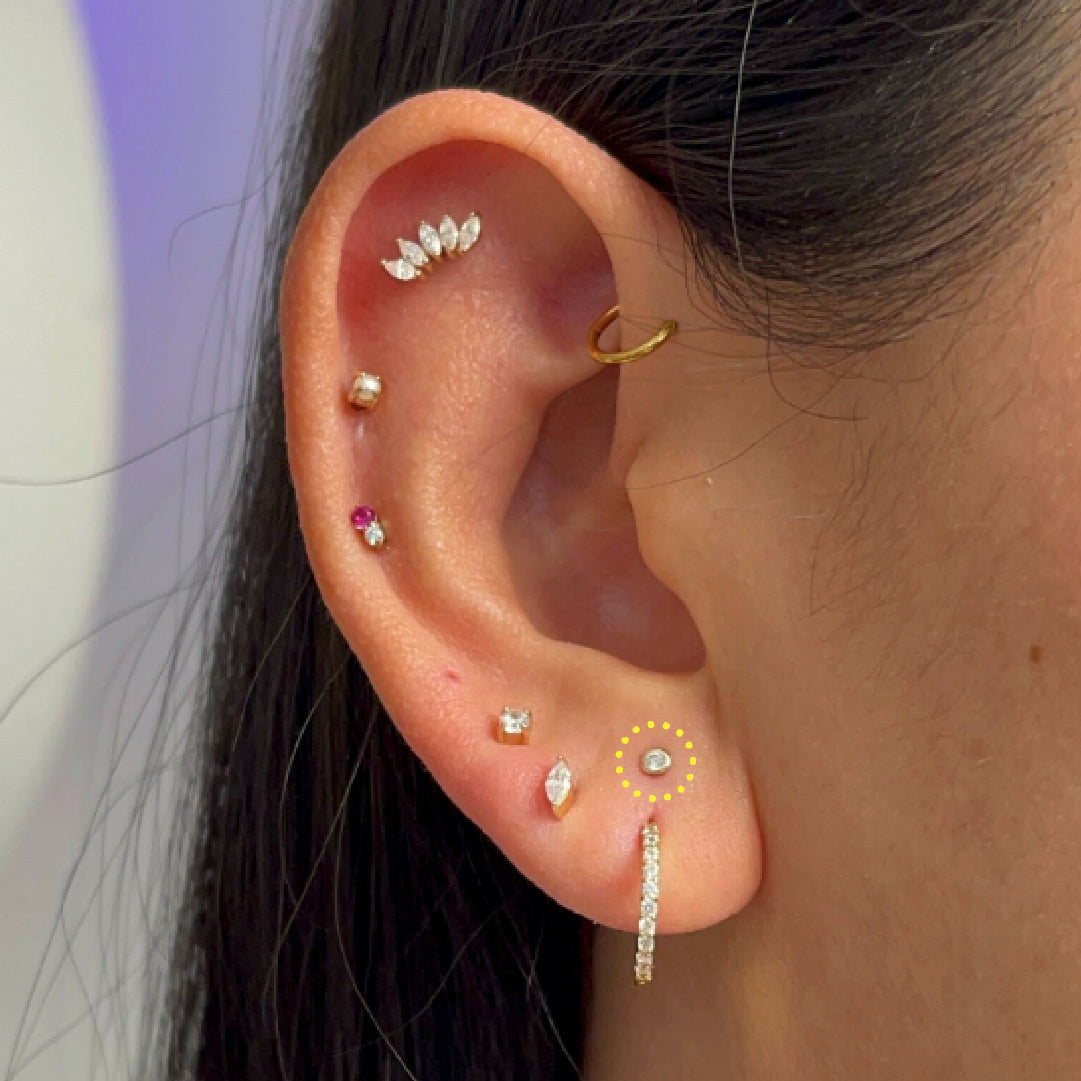
The forward helix is a great spot for smaller, more delicate jewelry. It looks good with layered earlobe piercings or other upper ear piercings, adding visual interest without being overwhelming. It pairs well with updos and hair worn down.
The forward helix's location presents challenges. Closer to the ear's edge, it's more prone to bumps and irritation. It can be harder to find jewelry that fits properly and doesn’t snag on clothing or hair. Diligence with aftercare and avoiding sleeping on that side are necessary.
Styling a forward helix requires finesse. Avoid bulky jewelry that could pressure the piercing. Opt for smaller studs or delicate rings that won’t get in the way. Regularly cleaning the area and keeping it free from hair products or makeup is crucial.
Helix Piercing: Versatility & Risks
The helix piercing is a classic. It's versatile and complements many styles. It looks good with almost any hairstyle and can be dressed up or down with different jewelry. It's a great option for a subtle yet stylish ear piercing.
While generally easier to heal than a forward helix, the helix piercing has risks. Cartilage bumps are a common issue, as is the potential for infection. The upper helix can be prone to snagging on clothing or hair; be mindful of this.
To minimize risks, choose a reputable piercer, follow aftercare instructions carefully, and avoid putting pressure on the piercing. Clean the area regularly with saline solution and avoid harsh chemicals or irritating products. If you notice any signs of infection, seek medical attention immediately.
Finding a Reputable Piercer: Essential Checks
undefined! First, make sure the studio is properly licensed and inspected by local health authorities. Second, check online reviews on sites like Yelp or Google. What are other people saying about their experiences?
When you visit the studio, observe the environment. Is it clean and sterile? Do they use autoclaves to sterilize their equipment? Do they use disposable needles? Are the piercers wearing gloves? Don’t be afraid to ask questions about their procedures and sterilization protocols. A good piercer will be happy to answer your questions and address your concerns.
Finally, trust your gut. If something feels off, don’t hesitate to walk away. A reputable piercer will be knowledgeable, professional, and prioritize your safety and well-being. Don't be swayed by low prices – quality and safety are worth the extra cost. Resources like the Association of Professional Piercers () can help you find qualified piercers in your area.
- Verify licensing and health inspections.
- Read online reviews.
- Observe cleanliness and sterilization practices.
- Ask questions about procedures.
- Trust your instincts.
Amazon Finds: Aftercare & Beyond
Let's get practical. For aftercare, a sterile saline wound wash like NeilMed Piercing Aftercare Spray ($10-$15) is a great option. It's gentle and effective for cleaning the piercing. You can also find pre-soaked sterile gauze pads for cleaning around the jewelry.
For initial jewelry (though I recommend getting it done at the piercer), you can find titanium studs on Amazon. Just be sure to check the gauge and length to ensure a proper fit. A simple set of titanium studs can cost around $15-$25. Remember, these are just suggestions, and it's always best to consult with your piercer for personalized recommendations.
Don't forget a good quality, fragrance-free lotion to keep the skin around the piercing hydrated. This can help prevent irritation and promote healing. Look for options specifically designed for sensitive skin.
- NeilMed Piercing Aftercare Spray
- Sterile Gauze Pads
- Titanium Studs (ensure correct gauge/length)
- Fragrance-Free Lotion (for sensitive skin)
Essential Aftercare and Jewelry for Your Helix or Forward Helix Piercing
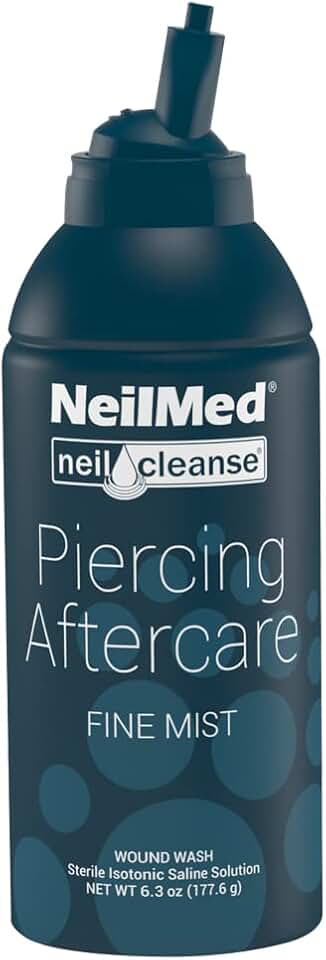
Sterile saline solution · Fine mist spray for gentle application · Helps cleanse and moisturize piercings
This sterile saline spray is essential for keeping your new piercing clean and promoting healthy healing.

Saline-based aftercare solution · Designed for piercing care · Convenient spray bottle
A simple and effective saline spray to aid in the cleaning and healing process of your helix or forward helix piercing.

Made from 316L surgical steel · Threadless design for easy insertion and removal · Features tiny initial letter charms
These delicate, customizable threadless studs are perfect for personalizing your healed helix or forward helix piercing.

Crafted from 16G surgical stainless steel · Available in multiple sizes and finishes (gold/silver) · Includes hinged clicker and segment ring styles
This versatile set offers a range of popular styles and sizes in hypoallergenic material, ideal for adorning your helix or forward helix.

Formulated for cleaning fine, silver, or delicate jewelry · Removes tarnish and restores shine · Large value size for extended use
Once your piercing is fully healed, this cleaner will help keep your chosen jewelry sparkling and looking its best.
As an Amazon Associate I earn from qualifying purchases. Prices may vary.

No comments yet. Be the first to share your thoughts!