

A shift in how we heal
Piercing aftercare is changing. For years, the standard advice was just to keep things clean, but we now know that skin physiology requires more than just a rinse. Supporting the body's natural recovery process works better than just scrubbing away bacteria.
Spring brings specific problems like more sun and seasonal allergies that cause swelling. You have to adjust how you treat a new piercing when the pollen count spikes or the temperature jumps.
New products for 2026 are moving away from harsh soaps toward biology-based recovery. I've been testing these methods to see which ones actually cut down on healing time.

New cleansing agents
Saline solution has been the go-to recommendation for decades, and it’s still a viable option. However, there’s a growing movement away from relying solely on saline. Many piercers and researchers are finding that other cleansing agents can be more effective – and less irritating – for certain piercings.
Hypochlorous acid (HOCl) sprays are becoming the new standard. HOCl is a compound your own immune system makes to kill germs. At low concentrations, it breaks down bacterial biofilms without stinging. Many shops I visit have replaced saline entirely with HOCl mists.
Alongside HOCl, we’re seeing a rise in pH-balanced cleansers formulated specifically for piercings. These cleansers typically avoid harsh sulfates and fragrances, which can disrupt the skin’s natural barrier. Look for products with ingredients like allantoin and chamomile, which have soothing properties. Brands like Neal’s Yard Remedies have expanded their ranges to include options suitable for new piercings.
The microbiome and healing
The skin microbiome – the community of bacteria, fungi, and viruses that live on our skin – plays a surprisingly important role in piercing healing. A healthy microbiome helps protect against infection, reduce inflammation, and promote tissue regeneration. Harsh cleansers, however, can disrupt this delicate balance, killing off both the "good’ and ‘bad" bacteria.
Think of it like this: you wouldn’t sterilize your gut after taking antibiotics, right? You’d focus on replenishing the good bacteria with probiotics. The same principle applies to piercings. We need to support the development of a healthy microbiome around the piercing site, not strip it away.
This has led to the development of probiotic sprays and balms specifically designed for piercings. These products contain beneficial bacteria that can help restore the microbiome and promote healing. While research in this area is still ongoing, early results are promising. Some brands, like Dr. Bronner's, are exploring probiotic-infused aftercare options.
Here's what to look for in a microbiome-supporting product:
* Prebiotics: Feed the good bacteria.
* Probiotics: Introduce beneficial bacteria.
* Postbiotics: Byproducts of bacterial metabolism that can have healing properties.
Featured Products
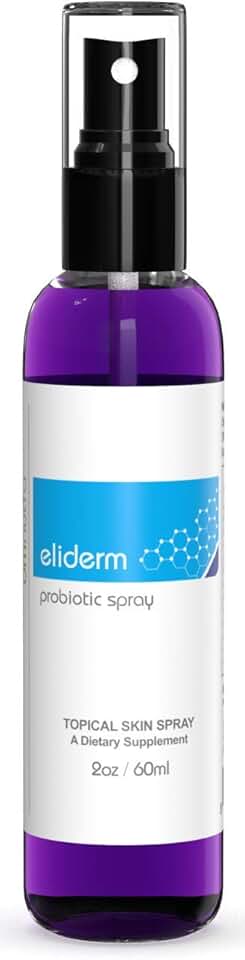
Contains 13 strains of live probiotics · Supports skin microbiome health · Suitable for face and body
This probiotic spray introduces beneficial bacteria to the skin, potentially aiding in a balanced microbiome crucial for healthy healing.

Includes a keloid and bump solution oil · Comes with a piercing aftercare spray · Designed for cleansing and soothing
This kit offers a two-step approach to managing common piercing concerns like bumps and irritation, promoting a cleaner healing environment.
Contains 13 strains of live probiotics · Supports skin microbiome health · Suitable for face and body
This probiotic spray introduces beneficial bacteria to the skin, potentially aiding in a balanced microbiome crucial for healthy healing.

Moisturizes and protects wounds · Maintains a moist wound environment · Suitable for various wound types
SoloSite Wound Gel creates an optimal moist environment that can help promote faster healing and reduce the risk of scarring for new piercings.
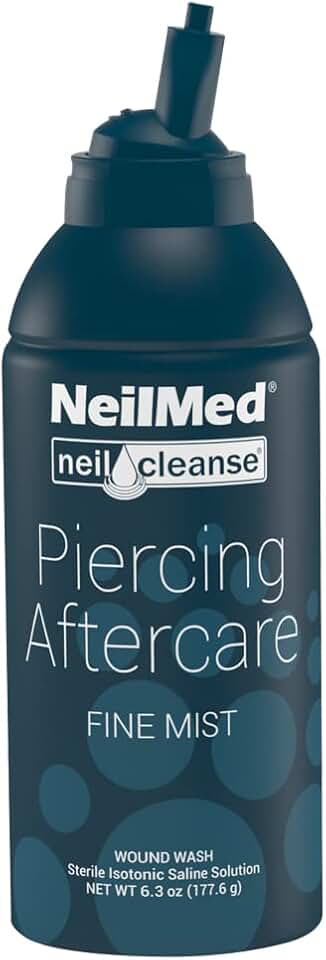
Fine mist spray for even application · Sterile saline solution · Designed for piercing aftercare
NeilMed's fine mist saline spray provides gentle and effective cleansing, essential for maintaining hygiene and supporting the natural healing process of piercings.
As an Amazon Associate I earn from qualifying purchases. Prices may vary.
Bio-occlusive dressings
For certain piercings, particularly lobe and cartilage piercings, bio-occlusive dressings are emerging as a powerful tool for faster healing. These dressings – including hydrocolloids and hydrogels – create a moist wound healing environment, which is now understood to be optimal for tissue regeneration.
A moist environment allows cells to migrate more easily and promotes the formation of new collagen. Bio-occlusive dressings also protect the piercing from trauma and contamination. They essentially act as a second skin, shielding the area while it heals. However, they aren’t suitable for all piercings; open wounds need air circulation.
The big question is how often to change them. Most experts recommend changing hydrocolloid dressings every 24-72 hours, or when they become saturated with fluid. Hydrogels may need to be reapplied more frequently. I’m not entirely sure about the long-term effects of prolonged occlusion, so it’s important to monitor the piercing for any signs of irritation or infection. Always follow the advice of your piercer.
Sun Protection for Fresh Piercings
Sun exposure is a major concern for healing piercings. UV rays can cause inflammation, irritation, and hyperpigmentation, potentially leading to setbacks or complications. Even a short amount of sun exposure can be damaging to sensitive skin.
The best approach is to avoid direct sun exposure altogether. If that’s not possible, protect the piercing with clothing. A hat or a strategically placed bandage can provide effective shade. When clothing isn’t enough, mineral-based sunscreens are your best bet.
Look for sunscreens containing zinc oxide or titanium dioxide. These ingredients are gentle on sensitive skin and provide broad-spectrum protection. Avoid chemical sunscreens, as they can contain irritating ingredients. EltaMD UV Clear Broad-Spectrum SPF 46 is a popular choice among those with sensitive skin.
Allergy Season & Piercing Irritation
Seasonal allergies can manifest as piercing irritation in surprising ways. Histamine, the chemical released during an allergic reaction, can cause itching, redness, and swelling around the piercing site. Even if you’re not consciously aware of your allergies, they can still affect your piercing.
Keeping the piercing clean and avoiding touching it with allergy-prone hands is crucial. If you’re experiencing significant irritation, an antihistamine might help reduce the inflammation (but always consult a doctor before taking any new medication).
I’ve seen a lot of people on piercing forums reporting increased irritation during peak pollen season. It's a good reminder that seemingly unrelated factors can impact the healing process.
Ingredients to avoid in 2026
Reading ingredient labels is more important than ever. Many aftercare products contain potentially irritating chemicals that can hinder healing. Fragrances and dyes are major culprits, as they can cause allergic reactions and inflammation. Parabens, often used as preservatives, have also come under scrutiny for their potential endocrine-disrupting effects.
Sulfates, commonly found in soaps and cleansers, can strip the skin of its natural oils, leading to dryness and irritation. Alcohol, while often touted as a disinfectant, can be excessively drying and damaging to the skin. Avoid products containing benzalkonium chloride, a quaternary ammonium compound that can disrupt the skin microbiome.
Stick to simple ingredients like allantoin or aloe vera. A shorter ingredient list usually means less risk of a reaction. You can check specific chemical safety ratings on the Environmental Working Group’s database.
Piercing Aftercare Ingredient Guide - Spring 2026
| Ingredient | Category | Explanation |
|---|---|---|
| Saline Solution (Sterile) | Safe | Isotonic saline is the gold standard for piercing aftercare. It's gentle, doesn't contain harsh chemicals, and helps to flush debris without disrupting the healing process. |
| Tea Tree Oil | Caution | While traditionally used for its antibacterial properties, tea tree oil can be irritating to some, and its effectiveness for piercing aftercare isn't definitively proven. Dilution is *crucial* if used, and many piercers now recommend avoiding it altogether due to potential sensitivities. |
| Alcohol (Isopropyl or Ethyl) | Avoid | Alcohol is a harsh irritant that can severely delay healing. It strips the skin of natural oils, leading to dryness and potential complications. It does *not* effectively kill infection-causing bacteria in the piercing wound. |
| Hydrogen Peroxide | Avoid | Similar to alcohol, hydrogen peroxide is too harsh and can damage healthy tissue. It can impede the healing process and isn't recommended for routine aftercare. |
| Vitamin E Oil | Caution | Historically recommended, current advice suggests Vitamin E oil can sometimes hinder oxygen flow to the healing wound, potentially slowing down recovery. Use only if specifically advised by a piercer or medical professional. |
| Wound Care Balm (specifically formulated for piercings) | Safe | Balms containing ingredients like shea butter, calendula, or chamomile *can* be beneficial *after* initial cleaning with saline, providing a protective barrier and promoting moisture. Ensure the balm is fragrance-free and designed for piercing aftercare. |
| Antibacterial Soaps (Fragrance-Free) | Caution | Some fragrance-free antibacterial soaps can be used *sparingly* during the initial cleaning phase, but thorough rinsing with saline is essential to remove any soap residue. Avoid soaps with harsh chemicals or fragrances. |
| Plain Water | Avoid | Tap water can contain bacteria and minerals that can irritate a fresh piercing. Always use sterile saline solution for cleaning. |
Illustrative comparison based on the article research brief. Verify current pricing, limits, and product details in the official docs before relying on it.
Featured Products
Sterile saline solution · Fine mist spray for gentle application · Helps cleanse and moisturize piercings
This sterile saline solution in a fine mist format offers a gentle yet effective way to cleanse and moisturize new piercings, promoting a clean healing environment.
Sterile saline solution · Fine mist spray for gentle application · Helps cleanse and moisturize piercings
This sterile saline solution in a fine mist format offers a gentle yet effective way to cleanse and moisturize new piercings, promoting a clean healing environment.

Sea salt-based solution · Formulated for cleaning and healing · Suitable for various piercing types
H2Ocean utilizes a sea salt-based formula designed to clean new piercings and aid in the reduction of keloid bumps, supporting overall healing for diverse piercing locations.

Saline solution · Aids in piercing and keloid bump care · Designed for ear, belly, and nose piercings
This affordable saline spray from BASE LABORATORIES is formulated to assist with the cleaning and healing of common piercings, including those prone to keloid bumps.
As an Amazon Associate I earn from qualifying purchases. Prices may vary.


No comments yet. Be the first to share your thoughts!