

The Rising Tide of Placement
Piercing trends move fast. What felt edgy last year is common now, thanks to social media like TikTok and Instagram. These platforms expose people to more piercings, speeding up trends. Gen Alpha is a big influence, embracing self-expression through body modification.
Lobe and helix piercings used to be the standard for first-timers. While still popular, people are now seeking more unique, less common placements that feel more personal. It's about adding creative options to classic choices.
Trends come and go. The best piercing is one you love. Still, these seven placements are gaining traction online, showing a shift toward personalized body adornment and storytelling through piercings.
Stacked Conch: Layered Texture
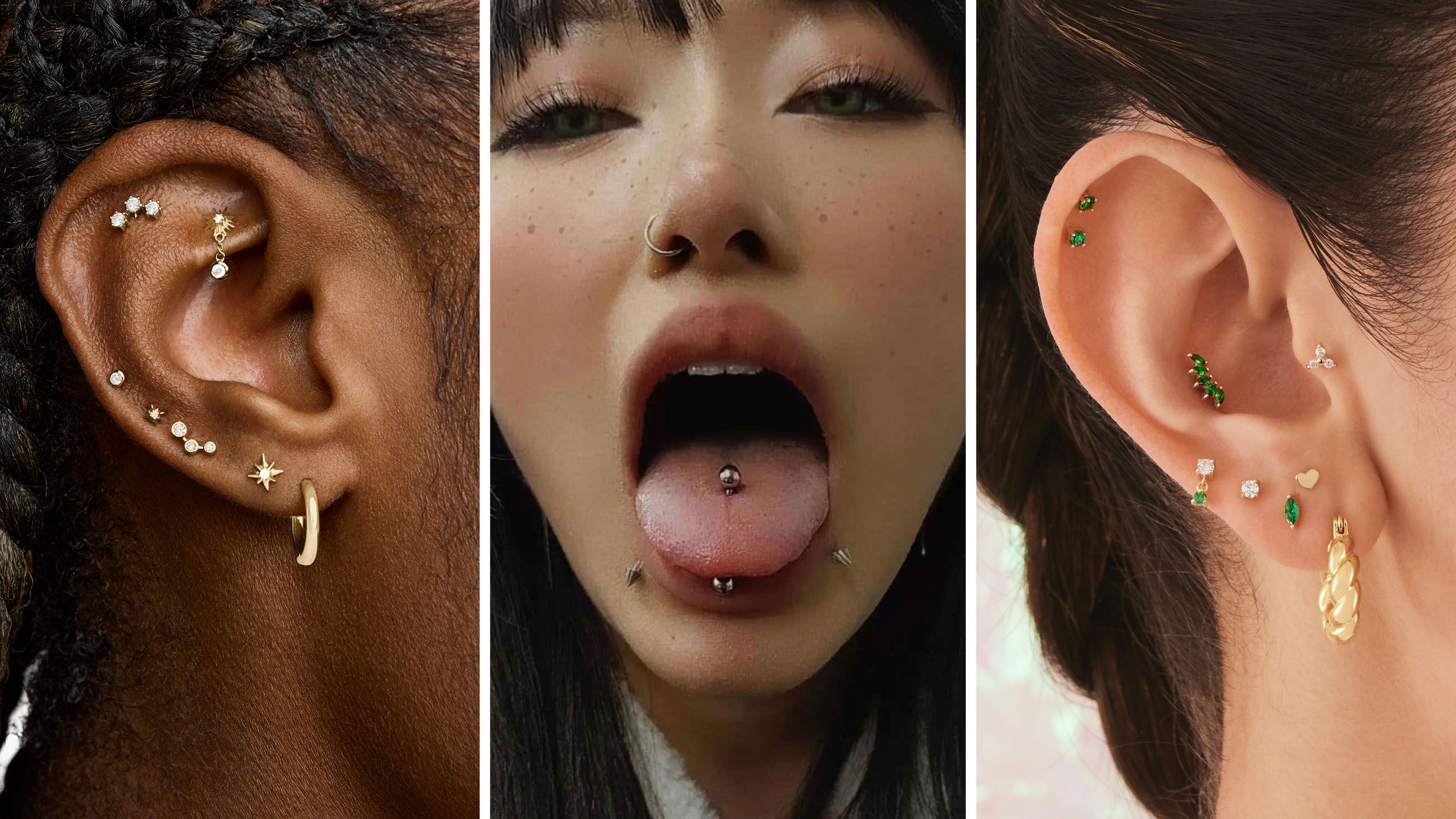
A stacked conch piercing means multiple piercings arranged vertically or diagonally in the conch, the deepest part of your inner ear cartilage. Piercers are placing them in inner, outer, or combined conch areas for a textured, layered look. It's a composition, not just one piercing.
Customization is key here. You can mix jewelry sizes and styles—small rings, delicate studs, or seamless rings—for a unique look that expresses your personality. Studs.com notes this as a rising trend in 2026, highlighting the ability to stack jewelry.
Pain is moderate, as the conch is thick cartilage. Expect some discomfort. Small, well-fitting jewelry is essential for healing. A skilled piercer who understands anatomy and placement is crucial. Proper spacing prevents overcrowding and aids healing.
Obsidian Needle’s 2026 Piercing Trends: Defining Styles, Placements & Jewelry Evolution https://t.co/zvOqCMzYjW
— RressReleaseCC (@PressRelease_cc) March 26, 2026
Transverse Lobe: A Retro Revival
The transverse lobe piercing is back, though not entirely new. It goes horizontally through the earlobe for a unique, industrial look. Popular in the early 2000s, it's resurfacing due to the current Y2K aesthetic in fashion and beauty.
It's different and offers a subtle edge without the drama of a cartilage piercing. It nods to a specific era, providing a unique alternative to standard lobe piercings. Allure predicts this will be a top piercing in 2026.
Pain is low to moderate, as the earlobe is soft tissue with good blood supply. Curved barbells are essential; straight jewelry causes irritation and hinders healing. Healing can be tricky, as these piercings are prone to irritation. Consistent cleaning and avoiding pressure are key.
Dermal Anchors: Beyond the Surface
Dermal anchors offer next-level customization. Unlike traditional piercings, they are implanted under the skin, allowing placement almost anywhere—chest, nape, sternum, or face (with extra caution for facial placements). A small anchor base goes under the skin, with a removable gem or decorative top.
The appeal is limitless placement options, unrestricted by cartilage or tissue thickness. You can create unique designs and expressions with various gem shapes, sizes, and materials. This freedom requires significant responsibility.
Dermal anchors have a higher infection risk than traditional piercings. Proper aftercare, including diligent saline cleaning, is vital. A highly experienced, reputable piercer is non-negotiable, requiring deep understanding of anatomy and sterile technique. Removal can be tricky and may need a professional. Migration or rejection are possible complications; discuss these risks with your piercer.
Orbital Nipple: Symmetry and Style
The orbital nipple piercing is a statement. It uses two piercings on the same nipple connected by a single ring or short chain, creating a symmetrical, eye-catching look that's gaining popularity.
The symmetrical design is the main draw, offering a visually interesting and daring look. Jewelry options include rings, chains, and small charms. This isn't a piercing to take lightly.
Pain is moderate to high due to nipple sensitivity. Healing is lengthy (6-12 months) and requires diligent aftercare. Proper anatomy and a skilled piercer are crucial to avoid complications like discomfort or nerve damage from incorrect placement.
Anti-Tragus with Chains: Dainty Details
The anti-tragus piercing, located opposite the tragus, is classic, but adding a delicate chain is the current trend. This adds whimsy and movement, creating a playful, feminine look.
The subtle placement is enhanced by the delicate, dangling chain. Jewelry options now go beyond studs and rings to include various chain styles and materials. Consider chain length and material to complement your aesthetic.
Consider lifestyle factors like interference with glasses or headphones. Pain is moderate, and proper aftercare is essential for healing. Jewelry size and fit are particularly important due to the small area.
Industrial Bridge: A Bold Statement
The industrial bridge piercing is a bold choice, involving two piercings connected by a straight barbell across the nose bridge. It's gaining traction for its edgy, rebellious aesthetic.
It's a statement that demands attention and exudes confidence, but it's not for the faint of heart. Pain is high, as the nose bridge is sensitive with limited tissue.
Healing takes 6-12 months and requires diligent aftercare. Straight barbells are essential, and their quality is crucial to prevent rejection or migration. Rejection or migration are more common complications. Lifestyle limitations include makeup application and wearing glasses. A skilled piercer and meticulous aftercare are essential.
Helix to Daith Combinations: Curated Ears
Combining helix and daith piercings with cohesive jewelry creates a curated ear look. It's about how piercings work together, using matching rings, charms, or chains for a unified aesthetic.
The key is planning. Before getting pierced, sketch out your desired design and discuss it with your piercer. Consider the placement of each piercing and how the jewelry will flow together. This is where a skilled piercer can really shine, helping you visualize and achieve your dream ear look.
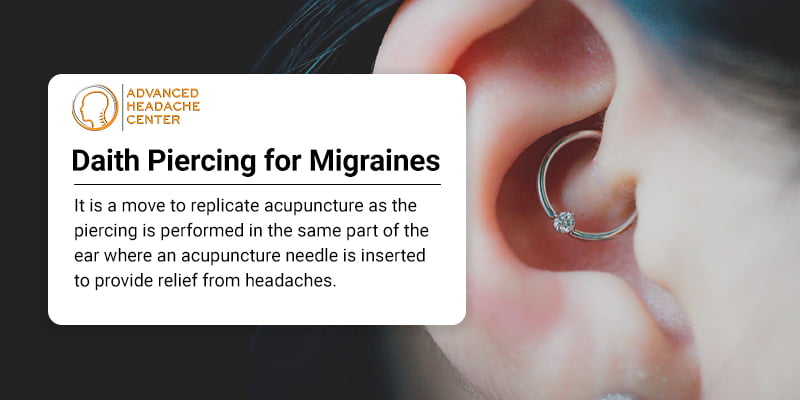
There’s also the often-mentioned potential benefit of a daith piercing for migraine relief, though it’s important to be cautious about making medical claims. While some people report experiencing fewer migraines after getting a daith piercing, scientific evidence is limited. This should not be the primary reason for getting the piercing, but it's a potential bonus for some.

No comments yet. Be the first to share your thoughts!