

Start with Piercing Pals resources
Piercing Pals serves as the central hub for anyone looking to book a professional piercing. Instead of sifting through vague social media posts or unverified reviews, this platform aggregates data from reputable studios to help you find the right artist for your needs. Whether you are considering a septum, helix, daith, or smiley piercing, having a reliable directory is the first step toward a safe and positive experience.
The scope of services available through these resources is extensive. You can filter studios by the specific types of piercings they perform, ensuring you do not waste time contacting artists who do not specialize in your desired placement. This targeted approach helps you identify professionals who are experienced with the unique anatomy and healing requirements of each piercing type.
Using Piercing Pals as your primary resource anchor allows you to understand the full range of services offered in your area. It shifts the focus from finding any available artist to finding the right one, prioritizing safety and hygiene in the selection process. This foundational step simplifies the booking journey and sets the stage for a successful appointment.
Choose your piercing location
Selecting the right spot involves balancing your personal aesthetic goals with the biological reality of your anatomy. Piercing Pals advises that not every piercing suits every body type, and understanding the healing timeline is just as important as the initial look. Some placements heal quickly, while others require months of dedicated aftercare to avoid rejection or migration.
The table below compares four popular options to help you decide which aligns with your lifestyle and pain tolerance. Keep in mind that individual anatomy varies; what works for one person may not be ideal for another.
| Placement | Healing Time | Pain Level | Best For |
|---|---|---|---|
| Septum | 6-8 weeks | Low | Hidden or visible style |
| Helix | 6-12 months | Medium | Ear stackers |
| Daith | 6-9 months | High | Earlobe alternatives |
| Smiley | 1-2 weeks | Low | Subtle smiles |
Septum piercings are often the best starting point for first-timers because the jewelry can be flipped up to hide the piercing during professional settings. Helix piercings sit on the upper cartilage, offering a versatile spot for stacking multiple rings or studs, though they demand patience due to slower cartilage healing. Daith piercings are placed in the innermost cartilage fold; while popular for anecdotal migraine relief, they are notoriously difficult to heal and prone to irritation. Smiley piercings go through the thin frenulum under the upper lip, offering a quick heal but requiring careful attention to oral hygiene to prevent gum damage.
When booking your appointment, bring reference photos of placements that appeal to you, but be open to your piercer’s assessment. They will evaluate your ear structure or lip anatomy to determine if a specific placement is safe or if an alternative would look better and heal faster. This collaborative approach ensures you get a piercing that is both beautiful and practical for long-term wear.
Book your appointment safely
Scheduling a piercing session with friends requires more than just picking a time slot. It demands a careful review of the studio’s hygiene standards and credentials before you commit. Using Piercing Pals as your primary resource helps you find studios that prioritize safety alongside the social experience.
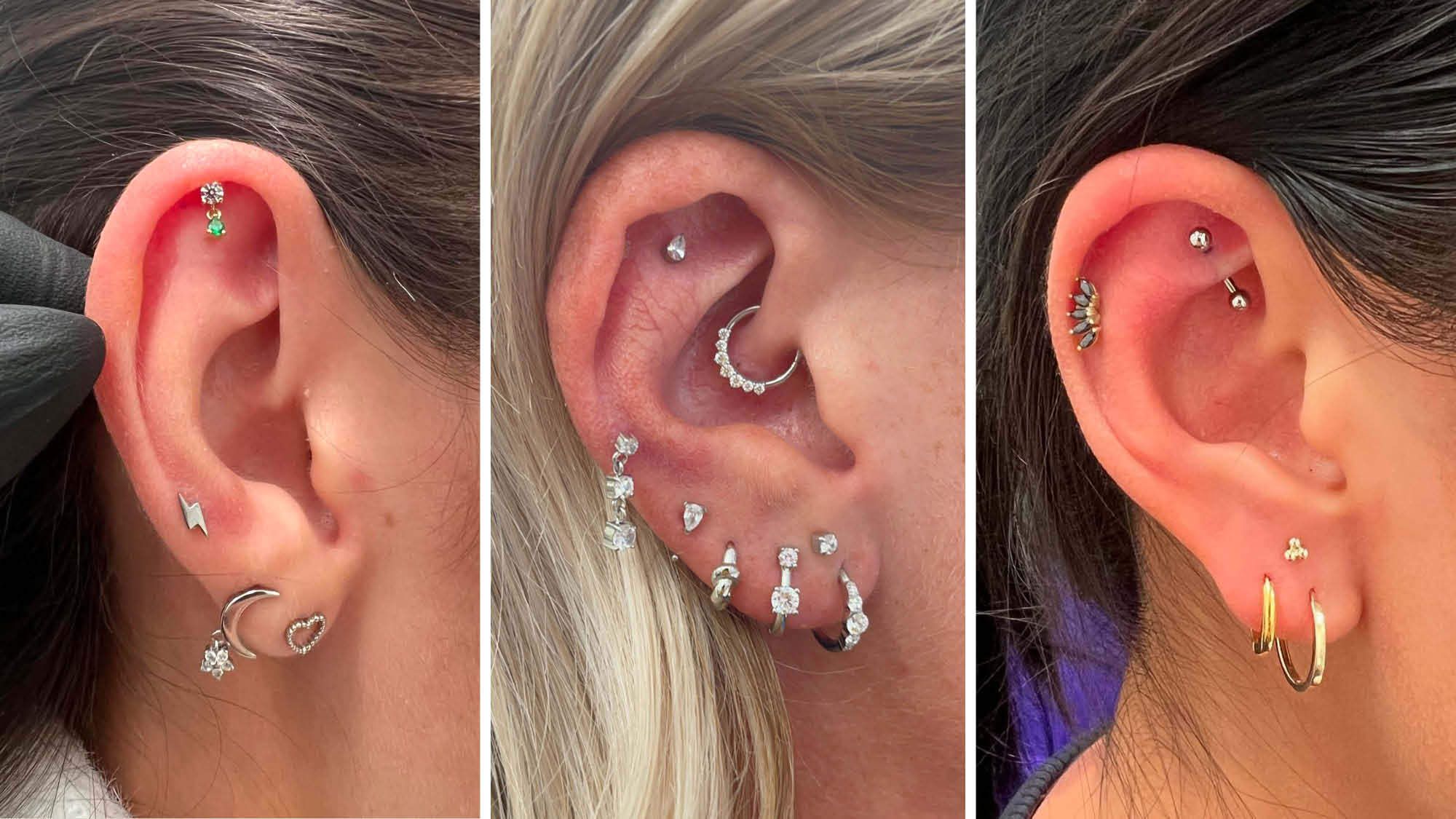
Browse the studio’s online portfolio or use the Piercing Pals directory to review their work. Look for consistency in healing results and a clean, professional aesthetic. This initial filter helps you identify studios that take pride in their craft and client care.
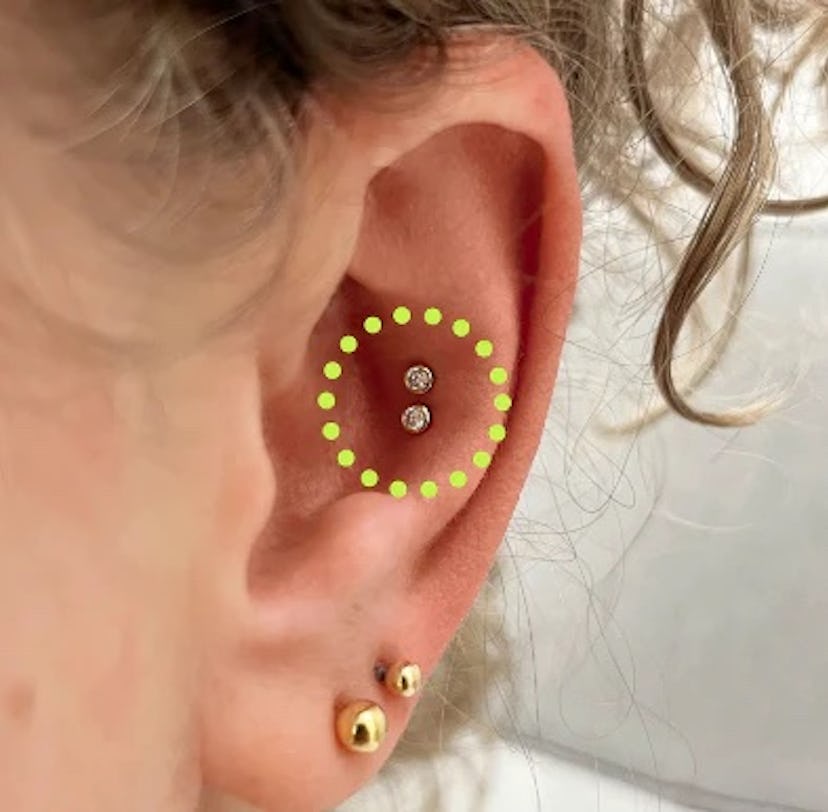
Confirm that your piercers hold current certifications from recognized organizations like the APP (Association of Professional Piercers). Reputable studios display these credentials prominently or can provide them upon request. This step ensures your piercers are trained in the latest safety protocols.
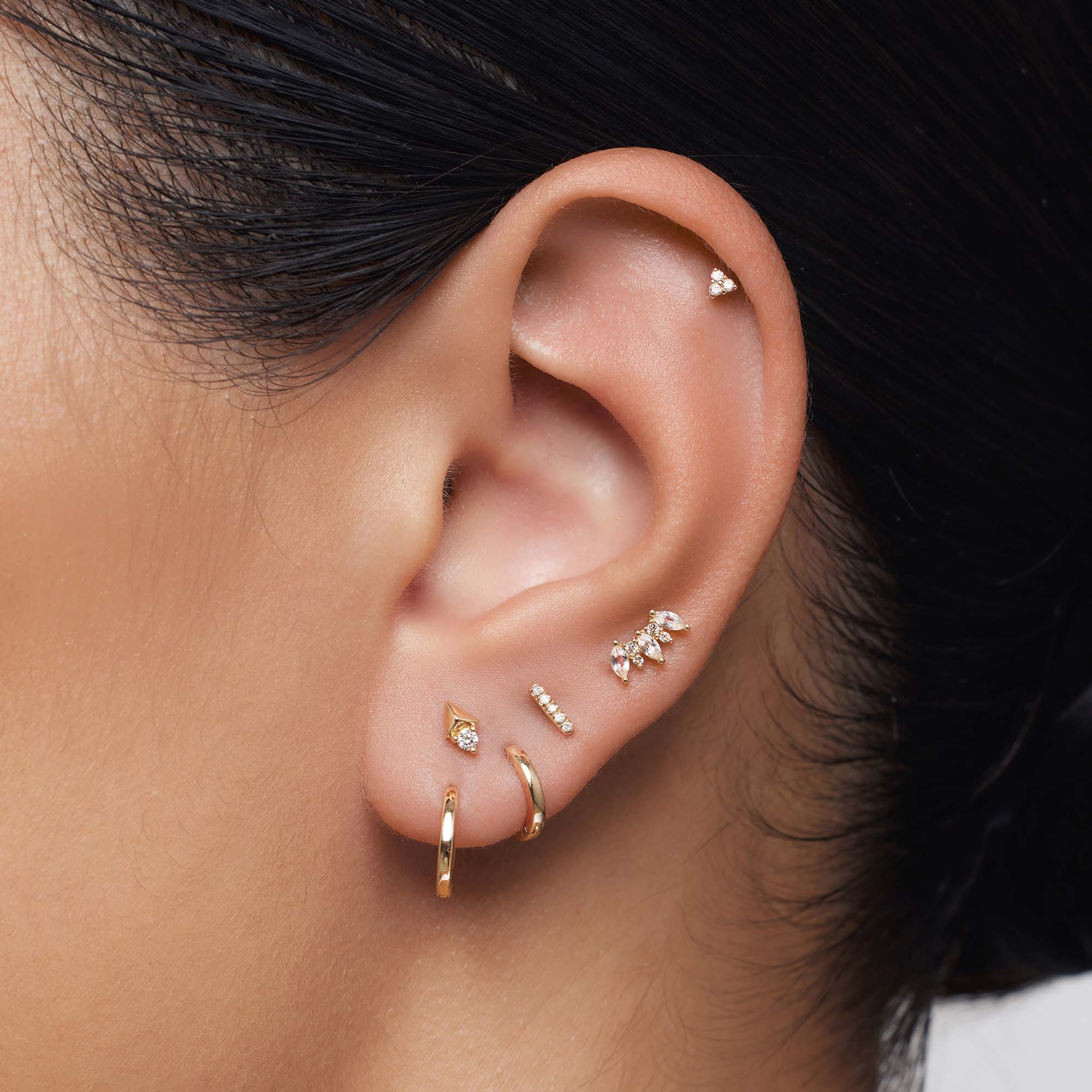
Ask about their sterilization process. A safe studio uses an autoclave for all reusable tools and opens new, sealed needles in front of you. Never hesitate to ask these questions; a professional studio will welcome the inquiry and explain their strict hygiene standards clearly.
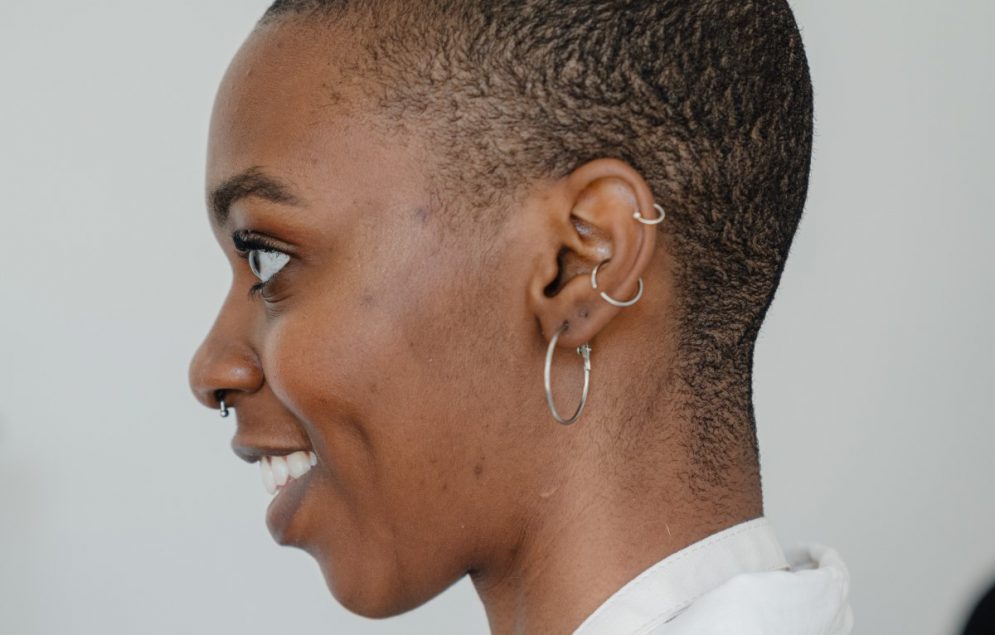
Once you are satisfied with the studio’s safety record, book your appointment through their official website or by phone. Mention if you are booking for multiple people, as some studios offer pair discounts or specific slots for friend groups. Confirm the total cost and any deposit requirements beforehand.
Understand piercing costs
Knowing the full price tag before you book helps you budget for the procedure and the jewelry. At Piercing Pals, transparency is standard. You will see the piercing service fee listed separately from the cost of your chosen jewelry. This separation ensures you pay for the artist’s skill and time, while also getting high-quality, implant-grade materials that support safe healing.
Jewelry selection is the biggest variable in your total cost. Initial jewelry is typically made of titanium or 14k gold to minimize irritation. While this upfront cost is higher than cheap alternatives, it prevents the need for expensive replacements later if your body rejects lower-quality metals. Piercing Pals provides clear pricing for their standard initial jewelry options, so you can choose what fits your budget and style.
Tipping is a common courtesy for the artist’s expertise, especially if they take time to consult on placement or handle a complex session.
For a standard single piercing, a tip of $5 to $10 is a polite way to acknowledge the artist’s time. If you are getting multiple piercings done in one visit, or if the artist spends extra time ensuring precise placement, tipping $10 to $30 is appropriate. This reflects the skill and care involved in making the experience comfortable and safe.
Follow aftercare instructions
Proper healing depends entirely on your consistency. Piercing Pals provides specific aftercare guidelines for every piercing type, but the core principles remain the same: keep the area clean, avoid irritation, and let your body do the work. Treating aftercare as a daily routine rather than a one-time task prevents infection and ensures your new jewelry looks its best.
Start by cleaning your piercing twice daily with a sterile saline solution. Avoid alcohol, hydrogen peroxide, or ointments, as these can dry out the skin and trap bacteria. Gently pat the area dry with a clean paper towel; cloth towels can harbor bacteria and snag on jewelry. Consistency is key—missing even a single cleaning session can introduce bacteria and delay healing.
Beyond cleaning, physical protection is equally important. Avoid touching your piercing with unwashed hands, and resist the urge to twist or turn the jewelry. This disrupts the forming healing tissue. If you have a cartilage piercing, be mindful of sleeping on that side. For oral piercings, avoid spicy foods and alcohol-based mouthwashes during the initial healing phase. Monitor for signs of infection, such as excessive redness, swelling, or pus, and consult your piercer or a healthcare provider if symptoms persist.
-
Clean with sterile saline solution twice daily
-
Gently dry with a clean paper towel
-
Avoid touching or twisting the jewelry
-
Monitor for signs of infection (redness, swelling, pus)
Common piercing: what to check next
Before you book your Piercing Pals appointment, it helps to clear up the usual doubts. Here are the answers to the questions people ask most often.
No comments yet. Be the first to share your thoughts!