
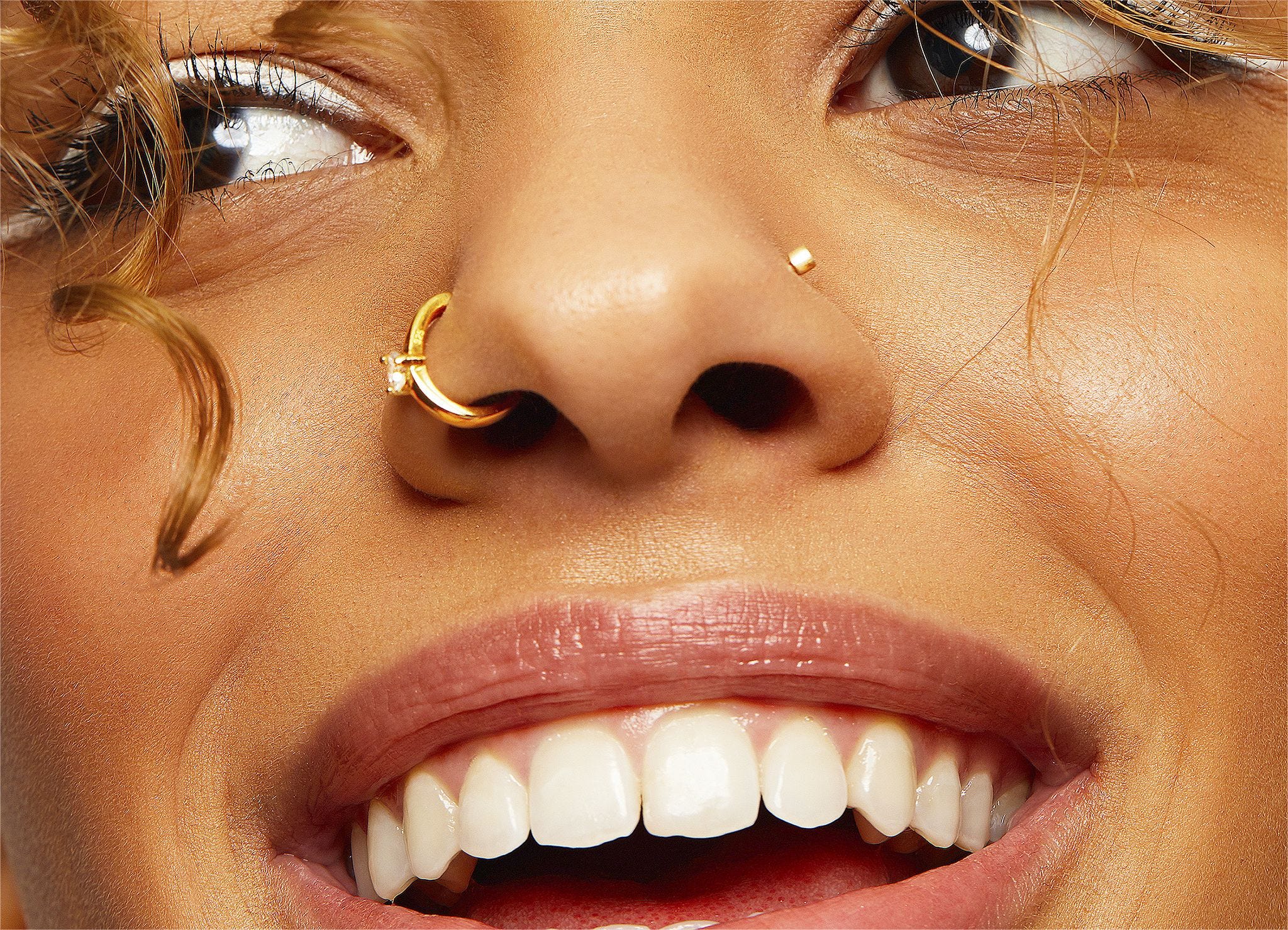

Why jewelry material matters
Choosing the right metal for a new piercing is the single most important step in preventing rejection, infection, and long-term irritation. Fresh piercings are open wounds, and the jewelry sits directly against healing tissue for weeks or months. If that metal contains nickel or other allergens, your body will treat it as a foreign invader, leading to redness, swelling, and potentially permanent scarring.
For septum, helix, and daith piercings, you should only wear implant-grade materials. Implant-grade titanium (ASTM F136) is the gold standard because it is hypoallergenic, lightweight, and corrosion-resistant. 14k or 18k solid gold is also safe, provided it is nickel-free. Avoid surgical steel, which often contains trace nickel, and certainly avoid mystery metals from non-specialized retailers.
Always choose implant-grade titanium or 14k+ gold for fresh piercings to avoid nickel allergies and rejection.
The body’s reaction to poor-quality jewelry can force you to remove the piercing entirely, ruining the healing process. By starting with safe, high-quality materials, you give your piercing the best chance to heal smoothly and stay comfortable for years to come.
Top septum jewelry styles
Septum jewelry has moved from niche subculture staple to everyday accessory, and 2026 brings refined variations on the classics. Whether you are looking for a secure closure for a new piercing or a decorative piece for a healed fistula, the right style depends on comfort, security, and aesthetic preference. The Piercing Pals community generally agrees that material quality matters just as much as the design itself, so we focus on styles that prioritize safety and wearability.
Clickers
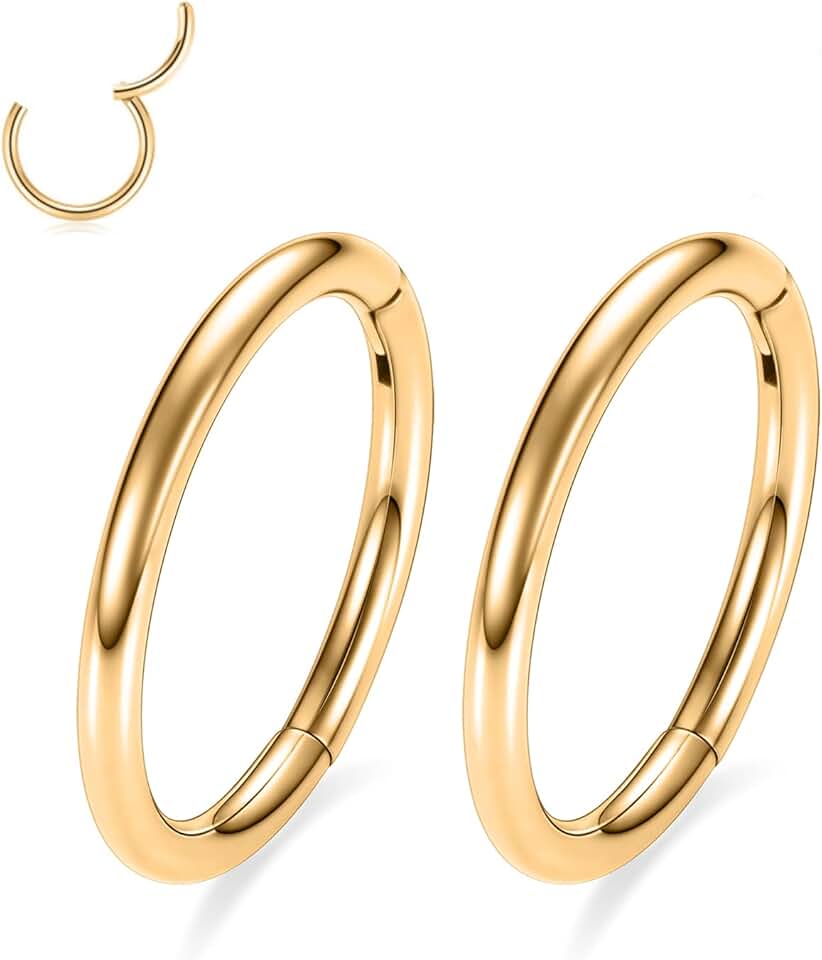
Clickers are the most recognizable septum style, featuring a rigid ring with a hinge and a ball that clicks securely into place. They are ideal for those who want a bold, visible statement without the risk of the jewelry flipping up into the nose. The hinge mechanism provides a secure fit that is difficult to dislodge accidentally, making them a favorite for daily wear. Look for designs with smooth edges to prevent snagging on clothing or hair.
Circular Barbells
Circular barbells (often called captive bead rings or CBRs) offer a classic, continuous look with a single bead held in place by tension. This style is versatile because the bead can be swapped out for different colors or materials, allowing for customization without changing the entire ring. They sit comfortably against the septum and are less likely to catch on things compared to clickers. However, they require a bit more dexterity to remove and reinsert, so they are best suited for those with healed piercings.
Nose Bones
Nose bones are a minimalist option that resembles a small stud or a short segment of a circular barbell with a ball on the end. They are designed to slide easily through the piercing and stay in place due to the friction of the ball against the tissue. This style is often recommended for new piercings because it lacks moving parts that could irritate the healing fistula. They provide a subtle, understated look that works well for professional settings or for those who prefer minimal jewelry.


As an Amazon Associate, we may earn from qualifying purchases.
Helix piercing jewelry options
The helix cartilage is a versatile canvas, but the right jewelry choice dictates both comfort and the final aesthetic. We recommend starting with a foundation of simple studs or small hoops before exploring more complex arrangements. Because cartilage heals slower than earlobes, prioritizing lightweight, hypoallergenic materials like 14k gold or implant-grade titanium is essential for long-term wear.
Studs and hoops
Stud-style jewelry, particularly flat-back labrets, offers the most secure and comfortable option for new or sensitive helix piercings. They sit flush against the ear, minimizing snagging on hair or clothing. For a more classic look, small circular barbells or seamless hoops provide a subtle curve that follows the ear’s natural shape. These styles are ideal for daily wear and allow the piercing to heal without unnecessary movement.
Cuffs and climbers
Helix cuffs and climbers add vertical interest by wrapping around the outer rim of the ear. These pieces require no additional piercing holes, making them a popular choice for those who want to experiment with multiple helix placements without committing to more needles. They work best when stacked with simple studs to create a curated, layered look that draws the eye upward.
Comparing helix styles
Choosing between studs, hoops, and cuffs often comes down to your lifestyle and desired aesthetic. Studs are low-maintenance and secure, hoops offer a timeless look, and cuffs provide easy stacking potential. The following table breaks down the key differences to help you decide which style fits your collection.
| Style | Comfort | Best For |
|---|---|---|
| Studs | High | Healing and active lifestyles |
| Hoops | Medium | Classic, everyday elegance |
| Cuffs | Medium | Stacking and visual interest |
Stacking for a curated look
The helix is one of the best places to practice jewelry stacking. Start with a central stud or small hoop as your anchor, then add smaller cuffs or climbers above and below it. Mix metals or textures sparingly to avoid visual clutter. We suggest keeping the weight balanced across the ear to prevent discomfort, especially if you plan to wear your jewelry for extended periods.


As an Amazon Associate, we may earn from qualifying purchases.
Choosing daith piercing jewelry options
The daith piercing sits in the innermost cartilage fold of the ear, creating a unique challenge for jewelry selection. Because the piercing channel curves sharply, standard straight bars or large hoops often fail to sit correctly, causing irritation or migration. We prioritize jewelry that follows the natural anatomy of the ear to ensure comfort and proper healing.
Curved Barbells
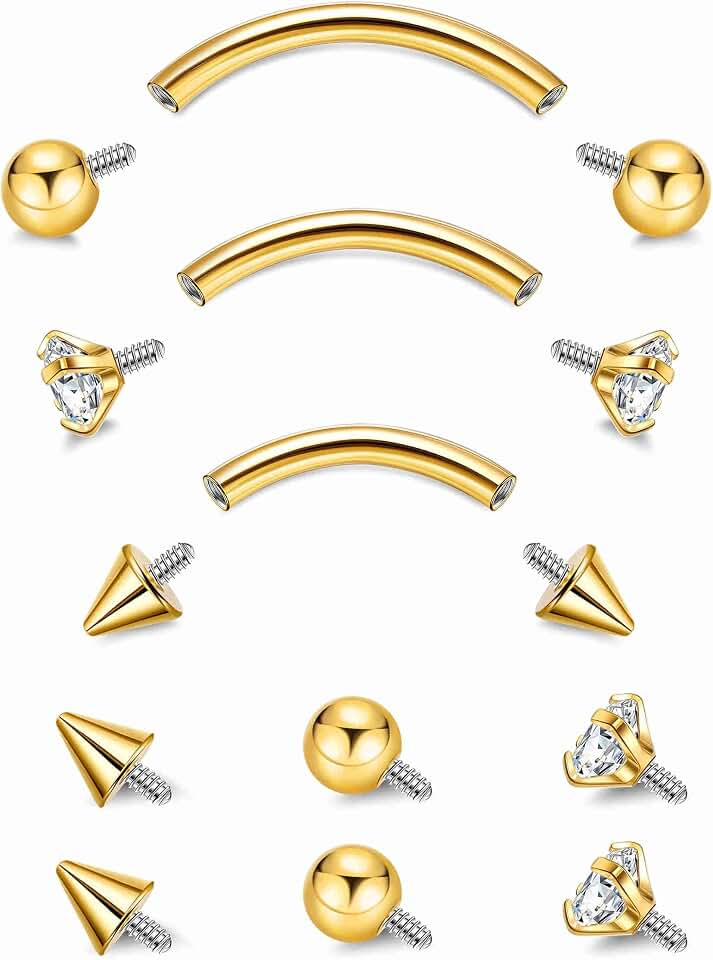
Curved barbells are often the preferred choice for new daith piercings. The gentle arc allows the jewelry to rest comfortably against the cartilage fold without putting pressure on the piercing hole. This shape minimizes movement, which is critical for preventing irritation bumps during the initial healing phase. Look for high-quality titanium or 14k gold curved barbells with a smooth, polished finish to reduce friction.
Captive Bead Rings
Once a daith piercing has fully healed, captive bead rings (CBRs) offer a secure and decorative option. The bead locks into the ring, preventing accidental loss while maintaining a clean, circular aesthetic. For daith piercings, a slightly smaller gauge and appropriate diameter are essential to ensure the ring stays nestled in the cartilage fold rather than protruding. Gold or implant-grade titanium CBRs are ideal for long-term wear.


As an Amazon Associate, we may earn from qualifying purchases.
How to choose safe piercing jewelry
Choosing the right jewelry is about more than aesthetics; it is the foundation of a healthy piercing experience. We prioritize safety and comfort above all else. The wrong material or ill-fitting piece can lead to irritation, infection, or prolonged healing times, turning a simple accessory into a medical hassle.
Material matters
Not all metals are created equal. For new piercings, implant-grade materials are non-negotiable. Look for ASTM F-136 titanium, ASTM F-138 surgical steel, or solid 14k/18k gold. These materials are biocompatible and resistant to corrosion. Avoid mystery metals, nickel alloys, and plated jewelry, especially for fresh piercings, as they can trigger allergic reactions and trap bacteria.
Sizing and fit
A proper fit prevents migration and rejection. Jewelry that is too tight can embed into the skin, while overly long pieces may snag on hair or clothing. For helix and daith piercings, curved barbells or captive bead rings are common, but the gauge and diameter must match your specific anatomy. If you are unsure, consult your piercer before purchasing. Many online retailers provide sizing guides, but professional measurement is always more reliable.
Finding a professional piercer
Your piercer’s expertise is your best defense against complications. Use the Association of Professional Piercers (APP) member locator to find certified professionals in your area. A reputable piercer will use single-use needles, sterile equipment, and high-quality jewelry. They can also advise on the best jewelry style for your specific piercing type and healing stage.
No comments yet. Be the first to share your thoughts!