

Why daith and smiley piercings are trending
Facial piercings have moved from the fringes of punk subculture to the center of 2026 style. The shift isn't about rebellion anymore; it's about subtlety and personal expression. Daith and smiley piercings offer a way to accessorize without the visibility of traditional lobe studs, appealing to a generation that values jewelry that feels like a secret or a small, joyful detail.
This trend aligns perfectly with the rise of "micro-jewelry"—pieces that are tiny, cute, and collectible. Brands like Piercing Pals have capitalized on this by creating designs that are adorable and slightly unhinged, turning facial piercings into a playful canvas. Instead of heavy hoops, the focus is now on delicate chains, tiny charms, and minimalist studs that catch the light when you move.
The cultural pull is strong because these piercings sit in areas that are often hidden or only visible in specific angles. A smiley piercing appears only when you smile, making it a personal interaction rather than a constant statement. Similarly, the daith sits deep in the ear cartilage, offering a sophisticated look that pairs well with both casual and formal wear. This discretion allows people to experiment with facial jewelry without committing to a bold, permanent aesthetic.
As the trend continues to grow, the availability of high-quality, affordable options has made it easier than ever to start. Piercing Pals and similar brands are leading this renaissance by offering safe, sterile environments and jewelry that is designed to be worn daily. The result is a surge in facial piercings that feel modern, accessible, and distinctly personal.
Choosing the right Piercing Pals jewelry
Selecting jewelry for a daith or smiley piercing requires balancing the unique anatomy of the cartilage or lip with your personal style. Piercing Pals offers pieces designed to sit comfortably without snagging or irritating the healing tissue. The right material and shape can make the difference between a stylish accent and a constant source of discomfort.
Prioritize comfort and material safety
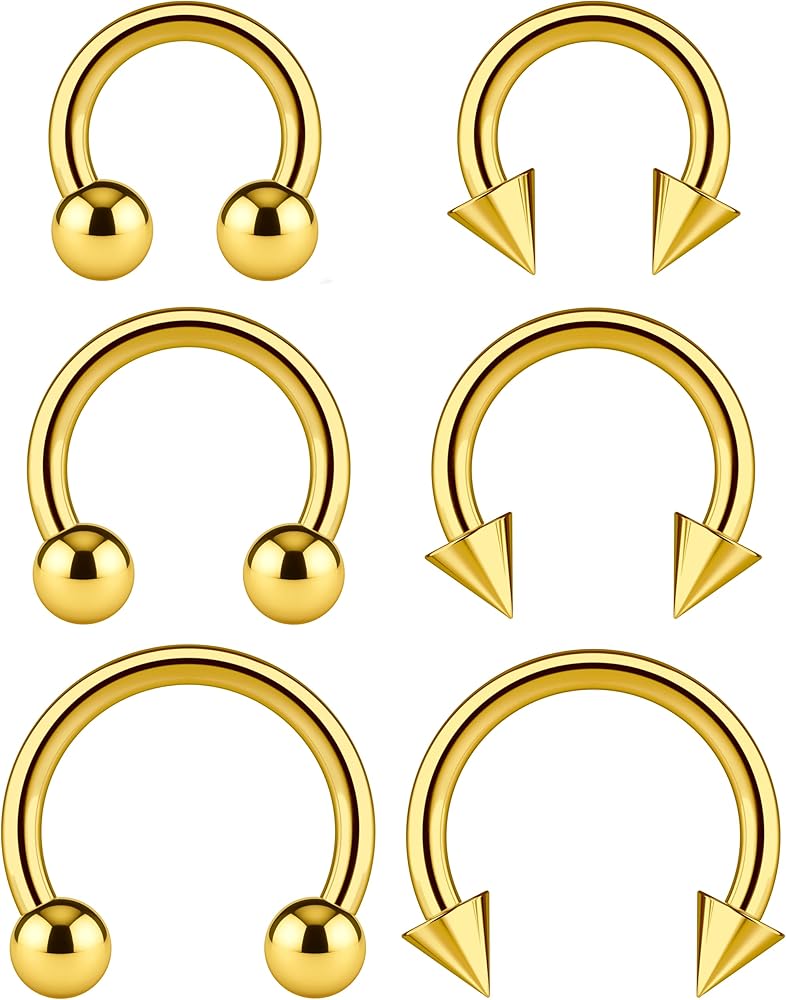
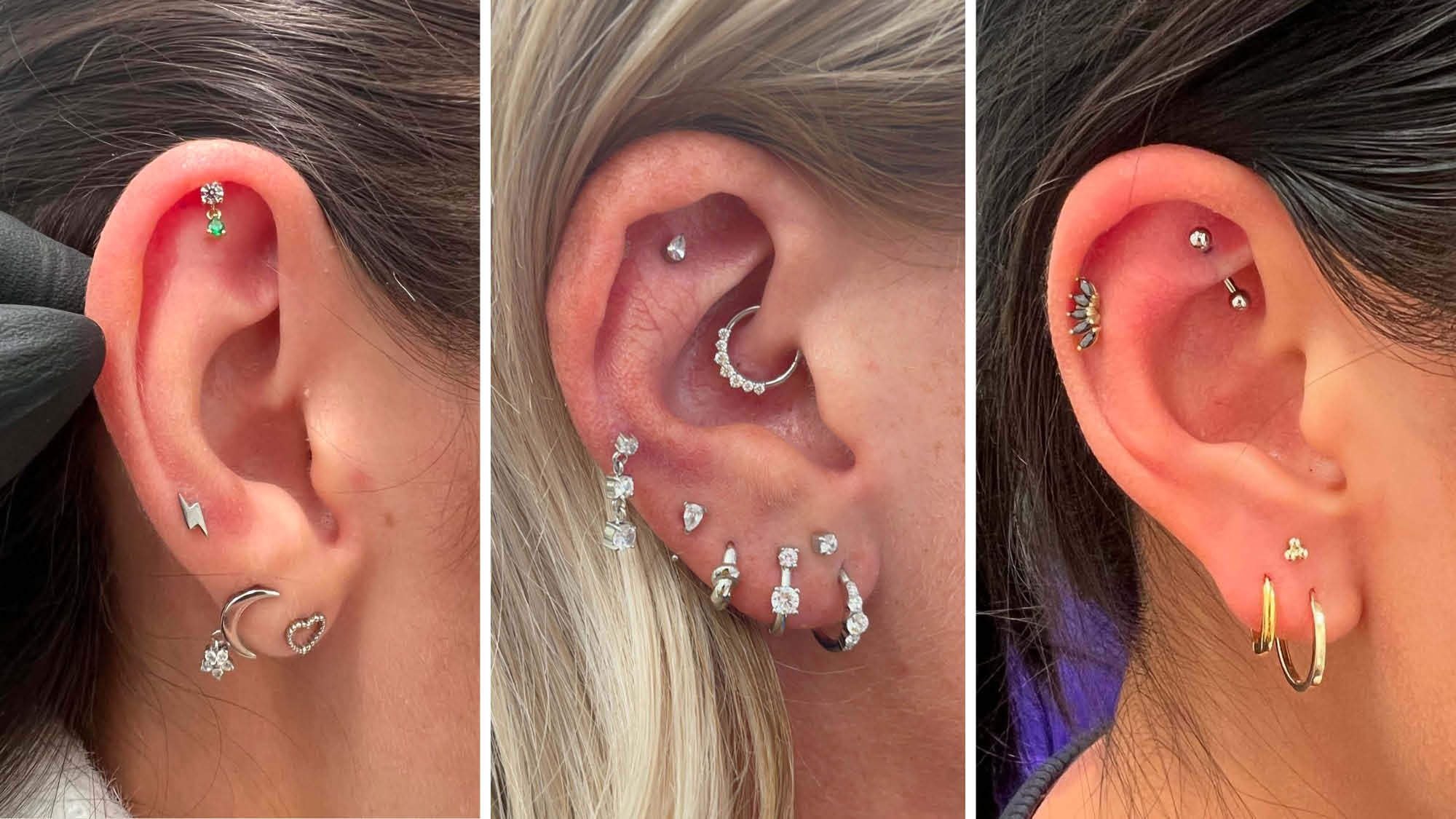
Daith piercings sit in the innermost fold of the ear cartilage, where swelling is common during the initial healing phase. Start with a high-quality circular barbell or captive bead ring made from implant-grade titanium or 14k gold. These materials are hypoallergenic and resistant to corrosion, reducing the risk of irritation bumps. For smiley piercings, which pass through the thin frenulum under the upper lip, lightweight options are essential. Heavy jewelry can pull on the sensitive tissue, causing pain or migration. Look for smooth, rounded edges that glide easily when talking or eating.
Match the aesthetic to your piercing
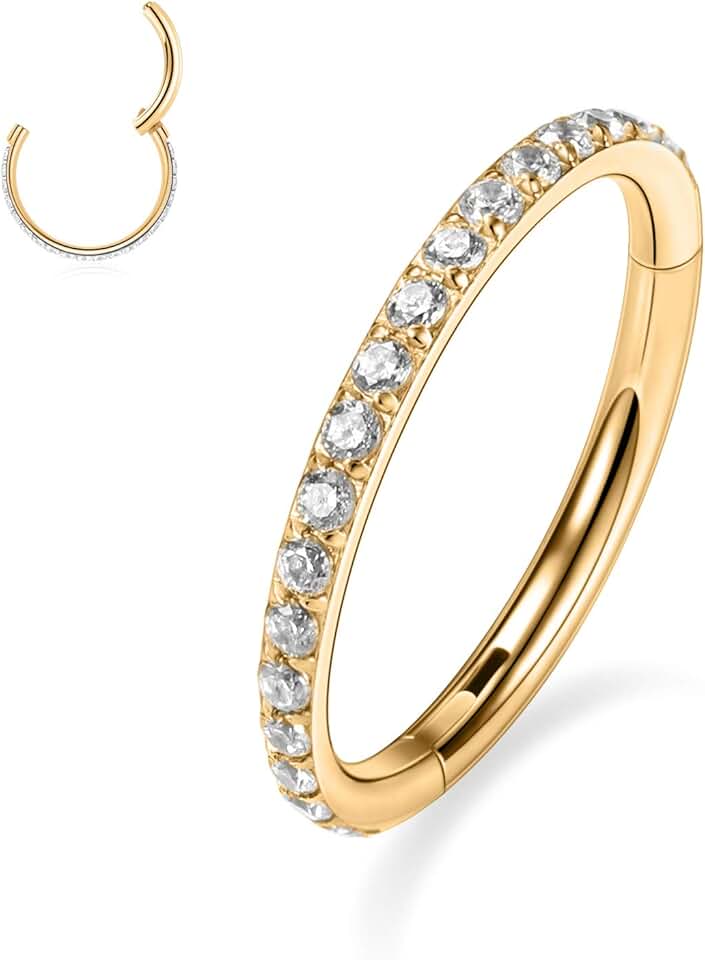
Piercing Pals provides a wide range of designs, from minimalist studs to intricate charms. For a daith, small hoops or geometric shapes often highlight the curve of the cartilage without overwhelming it. Smileys benefit from subtle details that catch the light when you smile, such as tiny diamonds or colored gems. Consider your daily routine when choosing a piece; if you wear masks or hats frequently, opt for low-profile jewelry to prevent snagging.
Explore Piercing Pals collections
Explore Piercing Pals’ curated collections to find pieces that suit both your piercing type and style preferences. Their inventory includes options for sensitive skin and various metal preferences.

As an Amazon Associate, we may earn from qualifying purchases.
How to care for your new piercing
Healing a daith or smiley piercing is less about luck and more about consistency. Think of aftercare as a daily maintenance routine rather than a one-time fix. Your jewelry is a foreign object navigating sensitive cartilage or the delicate frenulum, and it needs a stable environment to settle. At Piercing Pals, we believe that proper care is the bridge between a fresh piercing and a long-term style staple.
The goal is to keep the area clean without stripping away the natural healing factors. Over-cleaning can cause irritation, while under-cleaning invites infection. Stick to the following routine to ensure your new jewelry heals smoothly.
Use a sterile saline wound wash containing only 0.9% sodium chloride and water. Avoid homemade salt mixes, as the grain size and iodine content can irritate the wound. Spray the solution directly onto the piercing or apply it with a clean, lint-free gauze pad. Do this morning and night, or whenever the area feels sticky. This gentle rinse dissolves crusties and flushes out bacteria without harsh scrubbing.
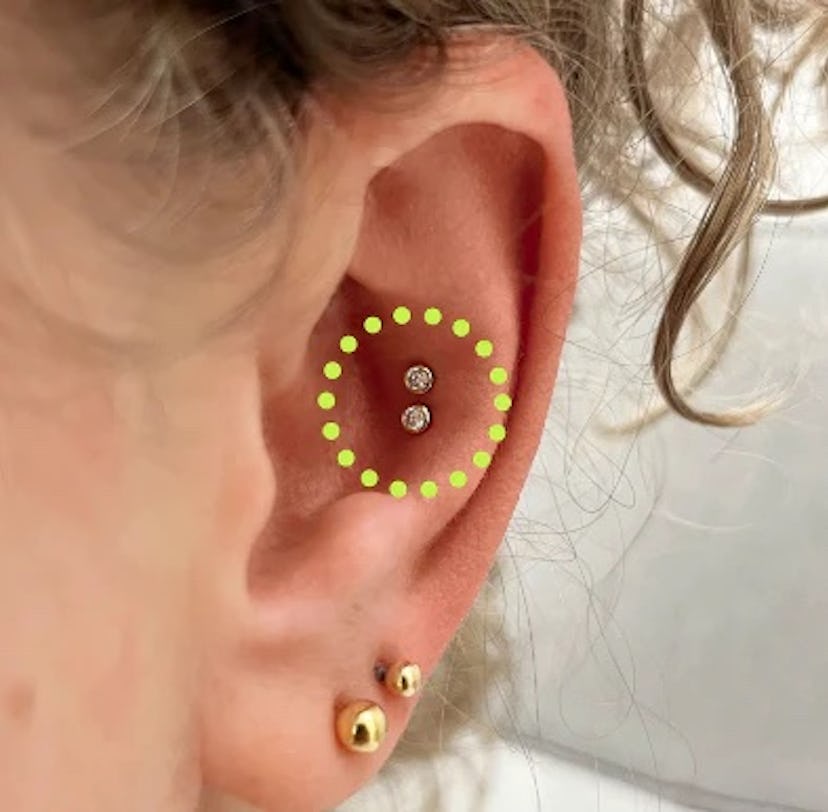
Moisture is the enemy of healing cartilage. After cleaning, gently pat the area dry with a disposable paper towel. Cloth towels can harbor bacteria and snag on your jewelry, causing micro-tears that delay healing. If you have a smiley piercing, dry the inside of your mouth carefully after rinsing. Keeping the area dry prevents moisture buildup, which is a primary breeding ground for infection.
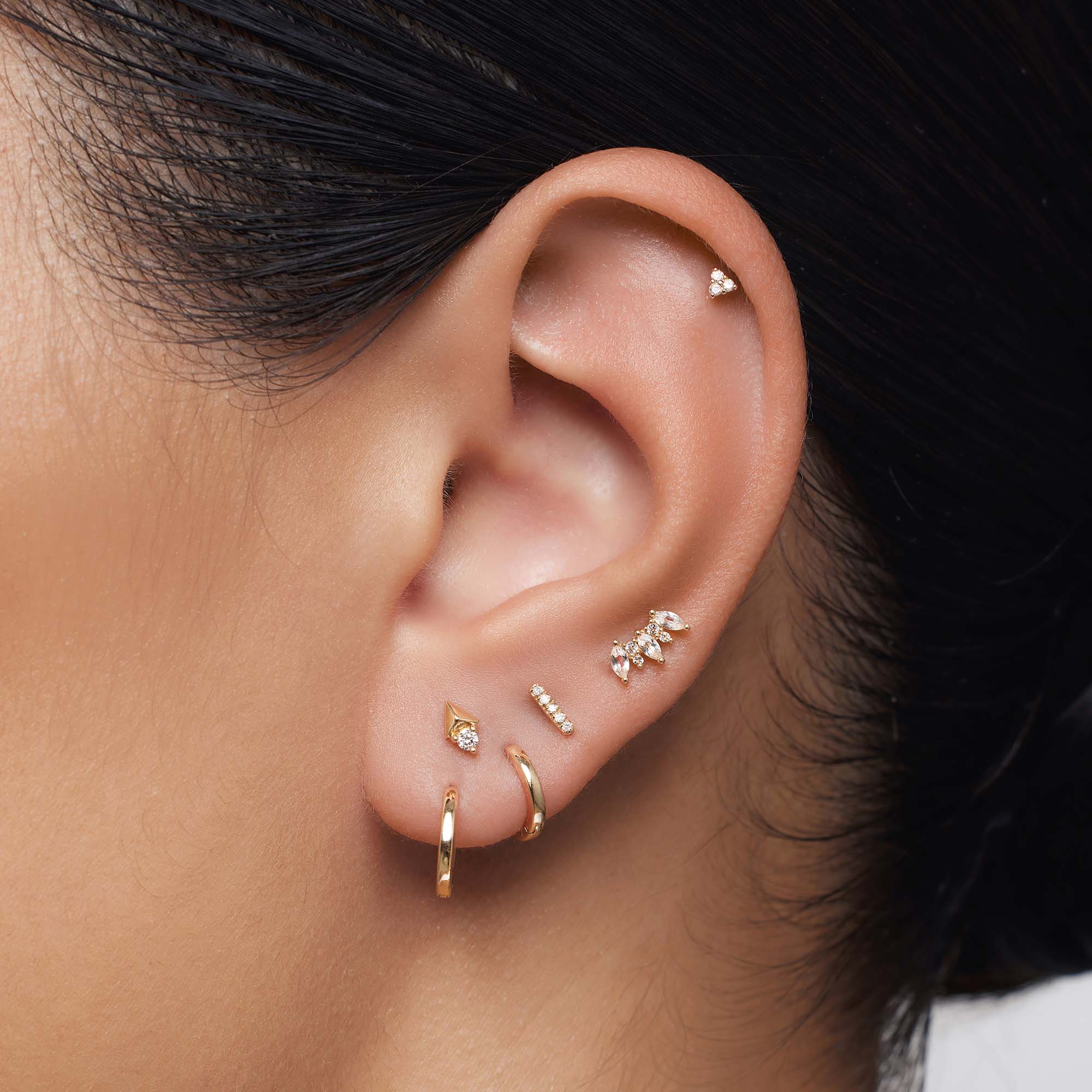
Your hands carry oils and bacteria that can easily transfer to an open wound. Resist the urge to twist or turn the jewelry, as this disrupts the forming tissue tunnel (fistula). If the jewelry feels stuck, it is likely healing correctly. Let the saline do the work. If you must adjust the jewelry, wash your hands thoroughly with antibacterial soap first, but try to leave it alone as much as possible.
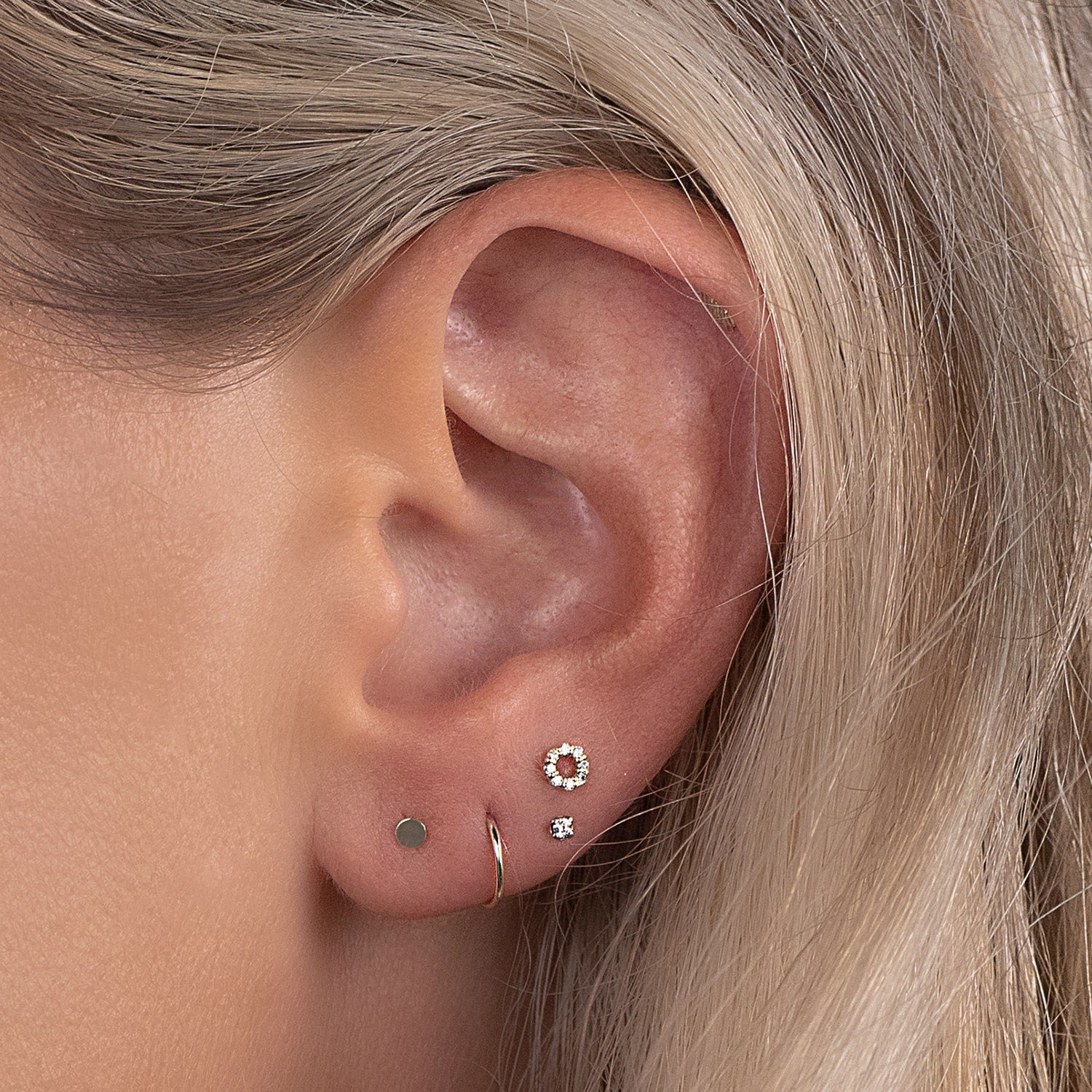
Hydrogen peroxide, rubbing alcohol, and antibiotic ointments are too harsh for fresh piercings. These products kill healthy new cells along with bacteria, significantly slowing down the healing process. They also dry out the skin, leading to cracking and excessive scabbing. Stick to saline only. If you experience significant redness or swelling, consult your piercer or a healthcare professional rather than applying over-the-counter remedies.
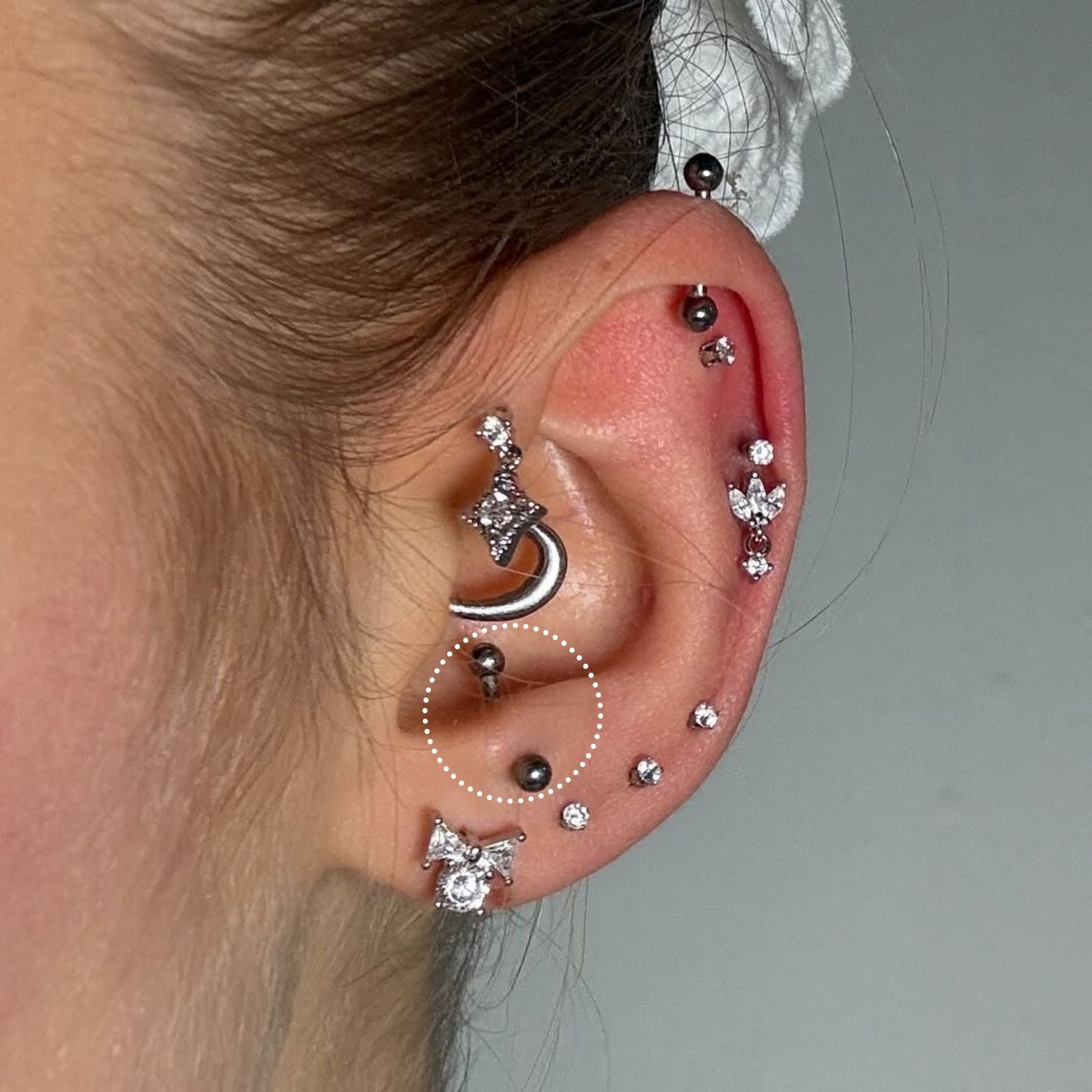
Some redness, swelling, and clear or white discharge (lymph) is normal for the first few weeks. However, thick yellow or green pus, extreme heat, and throbbing pain are not. If you notice these signs, do not remove the jewelry, as this can trap the infection inside. Contact a healthcare provider immediately. For minor irritation, increase your saline cleaning frequency and avoid sleeping on the area or playing with the jewelry.
Understanding piercing costs and tipping
Knowing the upfront costs for a daith or smiley piercing helps you budget without surprises. Prices vary by studio location and artist experience, but most reputable studios in major cities charge between $40 and $80 for the procedure itself. This fee typically includes the initial jewelry, which is usually a basic titanium or steel piece suitable for healing.
Jewelry upgrades are where costs can climb. While the included starter jewelry is safe and functional, many Piercing Pals readers prefer to swap to higher-quality materials like implant-grade titanium or gold after the initial healing period. These premium options often range from $20 to $100+ depending on the design and material. Always consult your piercer before changing jewelry to ensure the gauge and fit are correct.
Tipping is an important part of the process. A standard tip of 15-20% is appreciated for skilled work, especially if the piercer takes extra time to ensure perfect placement or helps you choose the right jewelry. For a $60 piercing, a $10-$12 tip is a generous gesture that acknowledges their expertise and care.
Cost Breakdown: Daith vs. Smiley
The table below compares typical costs for both piercing types, including procedure fees and estimated jewelry upgrades.
| Cost Type | Daith Piercing | Smiley Piercing |
|---|---|---|
| Procedure Fee | $40 - $80 | $40 - $80 |
| Initial Jewelry | Included | Included |
| Upgrade Jewelry | $20 - $100+ | $20 - $100+ |
| Recommended Tip | 15-20% | 15-20% |
Frequently asked questions about piercings
We get a lot of questions about daith and smiley piercings, so we wanted to clear up the most common concerns. Whether you are worried about healing times, jewelry choices, or just want to know how to tip your piercer, here are the answers you need to feel confident in your decision.
No comments yet. Be the first to share your thoughts!