

Why people choose helix piercings
Helix piercings are everywhere right now. You see them all over social media, often as part of coordinated 'bestie' piercing days. People are drawn to the subtle look, but I think they've stayed popular because they fit almost any ear shape.
What makes them so popular? I think it's the versatility. A simple silver ring can be understated and elegant, while a stacked helix with multiple rings or studs makes a bolder statement. They’re a great entry point into the world of piercings for those hesitant about more visible placements, and they work well with a variety of personal styles.
They’re also relatively painless, which is a big draw. While all piercings involve some discomfort, the helix cartilage isn’t as thick as other areas. But don’t let that fool you – healing isn’t always a walk in the park. It requires dedication and proper aftercare, and even then, individual healing journeys vary. We’re here to help you navigate that.
The first few days
Okay, you’ve just gotten your helix piercing. Your body is going to react. Expect some swelling, redness, and possibly a little bit of bleeding. This is normal. It’s a wound, and your body is rushing to start the healing process. The first 24-72 hours are the most crucial.
For the first few days, don't touch the jewelry unless you're cleaning it. I use NeilMed Piercing Aftercare Spray twice a day because it's sterile and doesn't sting. Stay away from alcohol, hydrogen peroxide, or antibacterial soaps; they're too harsh for fresh cartilage and usually just cause more redness.
Most importantly: do not twist the jewelry. Twisting introduces bacteria and disrupts the healing process. Just gently clean around the entry and exit points. Also, avoid sleeping on your side if possible, as this can put pressure on the piercing. Watch for signs of infection – excessive redness, swelling, pus, or fever – and see a piercer immediately if you notice any of these.
Weeks one to four
The first month is often the most challenging. Swelling and some discomfort are typical, as is the formation of lymph fluid, which looks like a whitish-yellowish discharge. This isn't pus, it's a natural part of the healing process, but keep the area clean to prevent buildup. You’ll likely experience some crusting around the jewelry – this is also normal.
Your body is actively working to heal the wound, and that means inflammation. You might experience localized pain or tenderness, especially if you accidentally bump the piercing. Be mindful of your movements and avoid wearing headphones or anything that puts pressure on the helix. Minor irritation bumps can appear – these are often caused by friction or pressure, and usually resolve on their own with continued cleaning.
Everyone heals at a different rate, so don’t compare your progress to others. Consistency is key. Continue cleaning twice a day with saline solution, and avoid picking at any crusting. It’s going to be a bit uncomfortable at times, but sticking to your aftercare routine will pay off. Remember that Urban Body Jewelry (urbanbodyjewelry.com) has a great aftercare guide as well.
- Use sterile saline twice a day.
- Avoid touching or twisting the jewelry.
- Protect the piercing from pressure.
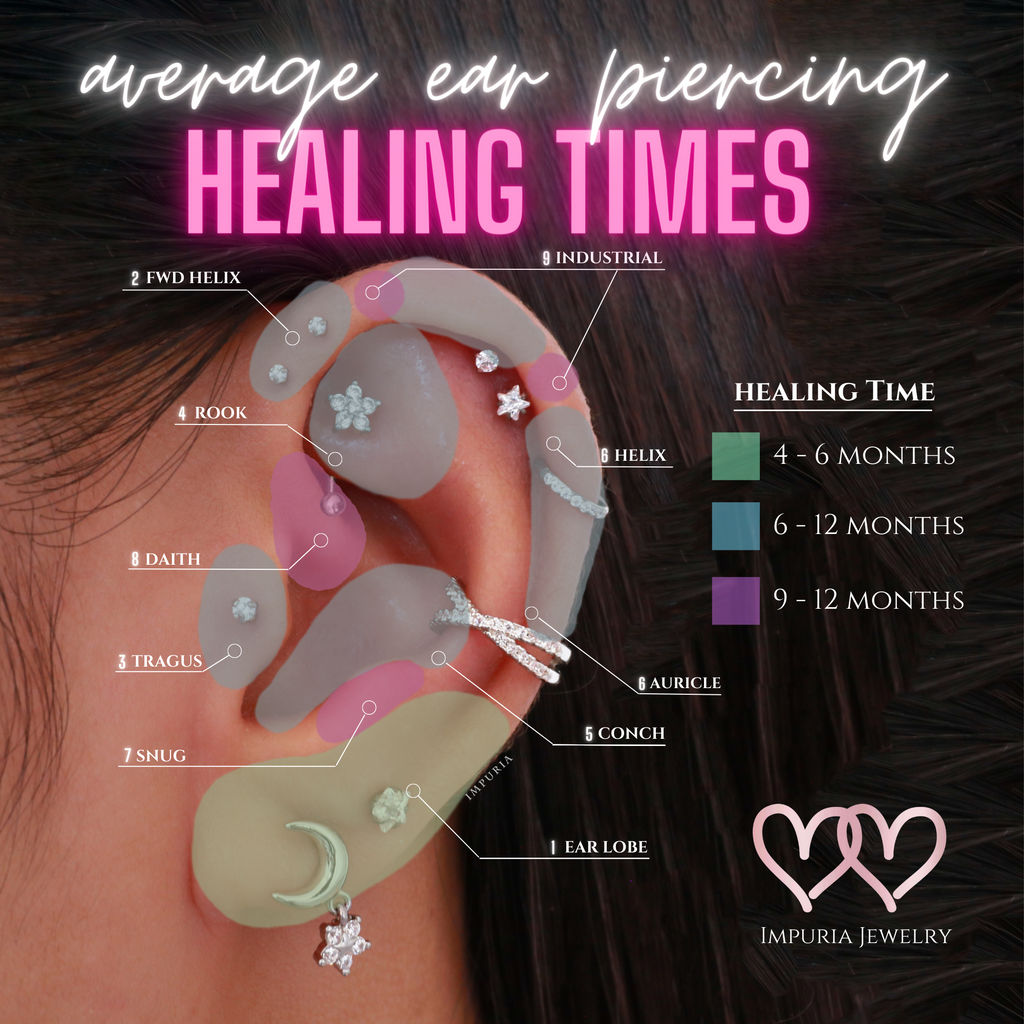
- Expect the process to take a full year.
Months two and three
Around month two, you might feel like healing has stalled. The initial intense inflammation subsides, and the piercing might seem less sensitive. But that doesn't mean it’s healed! Healing slows down during this phase, but it’s still happening beneath the surface. This is when people often get complacent and stop their aftercare routine, which is a mistake.
This is also a time when setbacks can occur. Irritation from headphones, hair products, or even just sleeping on your side can disrupt the healing process. You might notice a flare-up of redness, swelling, or discomfort. It's important to identify these setbacks early and address them promptly.
How do you tell the difference between a minor setback and a full-blown infection? A setback usually involves localized irritation that responds to continued cleaning. An infection, on the other hand, will involve signs like excessive pus, fever, or spreading redness. If you suspect an infection, see a doctor immediately. I’ve seen so many people end up with complications because they ignored early warning signs.
Months four to six
Even if your helix piercing feels completely healed around month four, it isn’t. Cartilage takes a long time to fully regenerate. Continuing aftercare during this period is essential to prevent complications. You can reduce the frequency of cleaning to once a day, or even every other day, but don’t stop completely.
One potential issue during this phase is a blowout – where the jewelry migrates closer to the surface of the skin. This is often caused by pressure or trauma to the piercing. Avoiding tight headphones and being careful when styling your hair can help prevent blowouts. Be aware that a blowout doesn't necessarily mean the piercing is rejecting, but it does indicate irritation.
I think people often underestimate how long cartilage takes to heal. It’s not like a lobe piercing, which heals relatively quickly. Be patient, continue your aftercare routine, and listen to your body. If you experience any discomfort, address it promptly.
After six months
Congratulations, you’ve reached the six-month mark! While your helix piercing is likely considered "healed’ by most piercers, subtle issues can still arise. Long-term irritation can occur, especially if you"re sensitive to certain metals. Jewelry allergies are also a possibility, so choosing high-quality materials is crucial. Surgical steel, titanium, or solid gold are generally the safest options.
Sometimes, even years after getting a helix piercing, a small bump can form around the jewelry. This is often a sign of minor irritation or scar tissue formation, and it’s usually harmless. However, if the bump is painful or growing, it’s worth consulting a piercer.
Remember that everyone’s body is different. Even with proper aftercare, some people may experience prolonged healing or minor complications. Don’t hesitate to seek professional advice if you have any concerns. Realistic expectations are key.
Jewelry Material Guide for Helix Piercings
| Material | Pros | Cons | Best For |
|---|---|---|---|
| Surgical Steel | Generally affordable, durable, widely available. | Can contain nickel, potentially causing allergic reactions in sensitive individuals. | Initial piercing, those without known metal sensitivities. |
| Titanium | Hypoallergenic, lightweight, strong, corrosion-resistant. | Can be more expensive than surgical steel. | Sensitive skin, individuals prone to allergies, long-term wear. |
| Gold (14k or higher) | Hypoallergenic (when alloyed correctly), doesn't tarnish easily, aesthetically pleasing. | Softer metal, can be scratched or bent more easily, more expensive. | Fully healed piercings, those prioritizing aesthetics and hypoallergenic qualities. |
| Silver (.925 Sterling) | Affordable, aesthetically pleasing. | Can tarnish, may cause allergic reactions in some individuals, softer metal. | Not generally recommended for initial piercings or long-term wear due to potential for irritation and tarnishing. |
| Glass | Biocompatible, hypoallergenic, smooth surface. | Can be fragile and prone to breaking, limited style options. | Individuals with severe allergies, those seeking a truly inert material (once healed). |
| Niobium | Highly biocompatible, hypoallergenic, lightweight, corrosion-resistant. | Limited availability and can be expensive. | Sensitive skin, long-term wear, individuals needing a highly inert material. |
Illustrative comparison based on the article research brief. Verify current pricing, limits, and product details in the official docs before relying on it.
Rings vs. studs
Choosing the right jewelry can impact both the look and the healing of your helix piercing. Rings and studs both have their pros and cons. Rings generally distribute pressure more evenly around the piercing, which can promote healing. They also offer a wider range of aesthetic options, from simple hoops to intricate designs.
Studs, on the other hand, can be more subtle and elegant. They’re a good choice if you prefer a minimalist look. However, studs can be more prone to snagging on clothing or hair, which can irritate the piercing. The Instagram trend of matching piercings (instagram.com) often features delicate studs for a cohesive look.
Consider your lifestyle and personal style when making your decision. If you’re active or prone to snagging, a ring might be a better choice. If you prefer a more understated look, a stud could be the way to go. Ultimately, the best jewelry is the one that you love and that doesn’t cause any irritation.
No comments yet. Be the first to share your thoughts!