

About smiley piercings
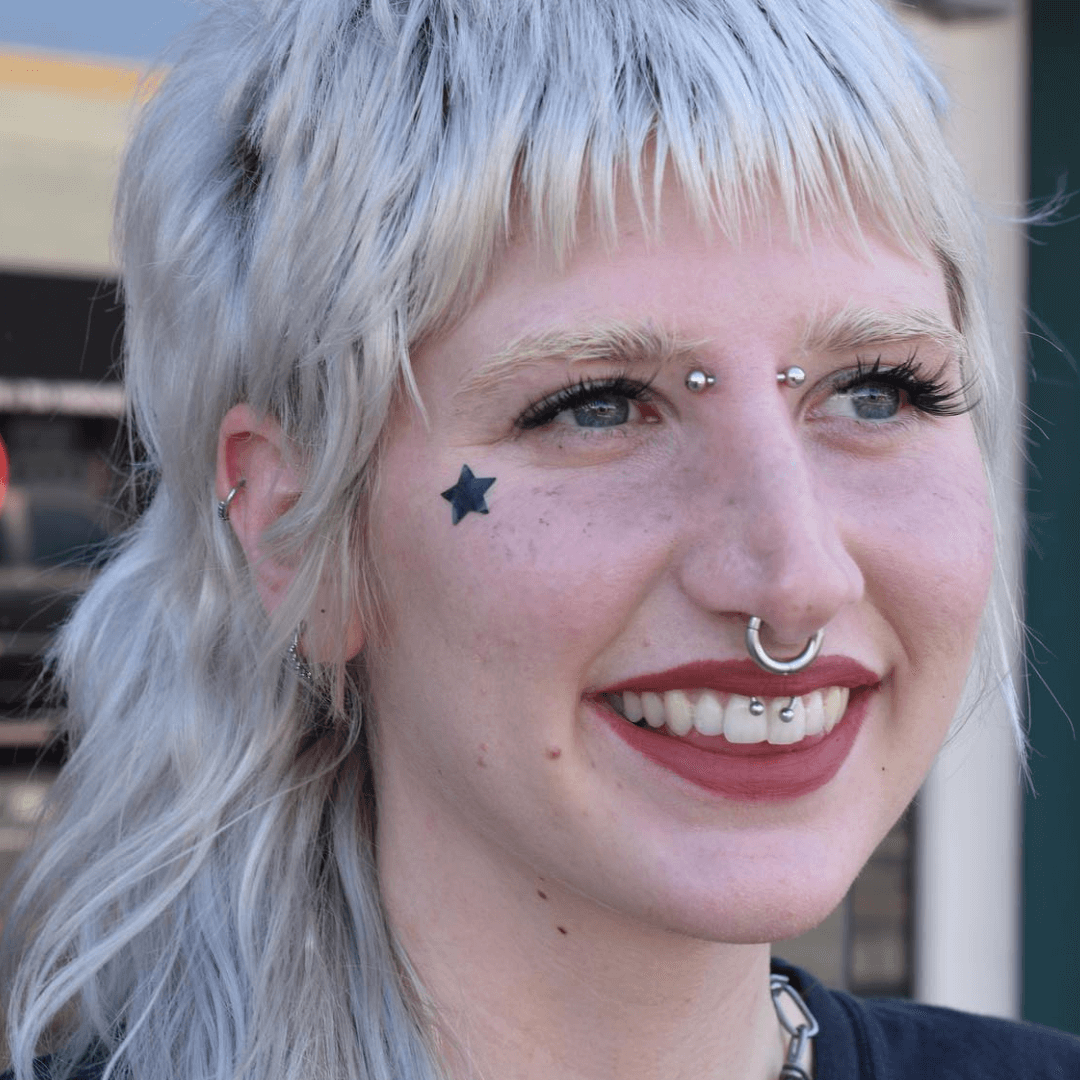
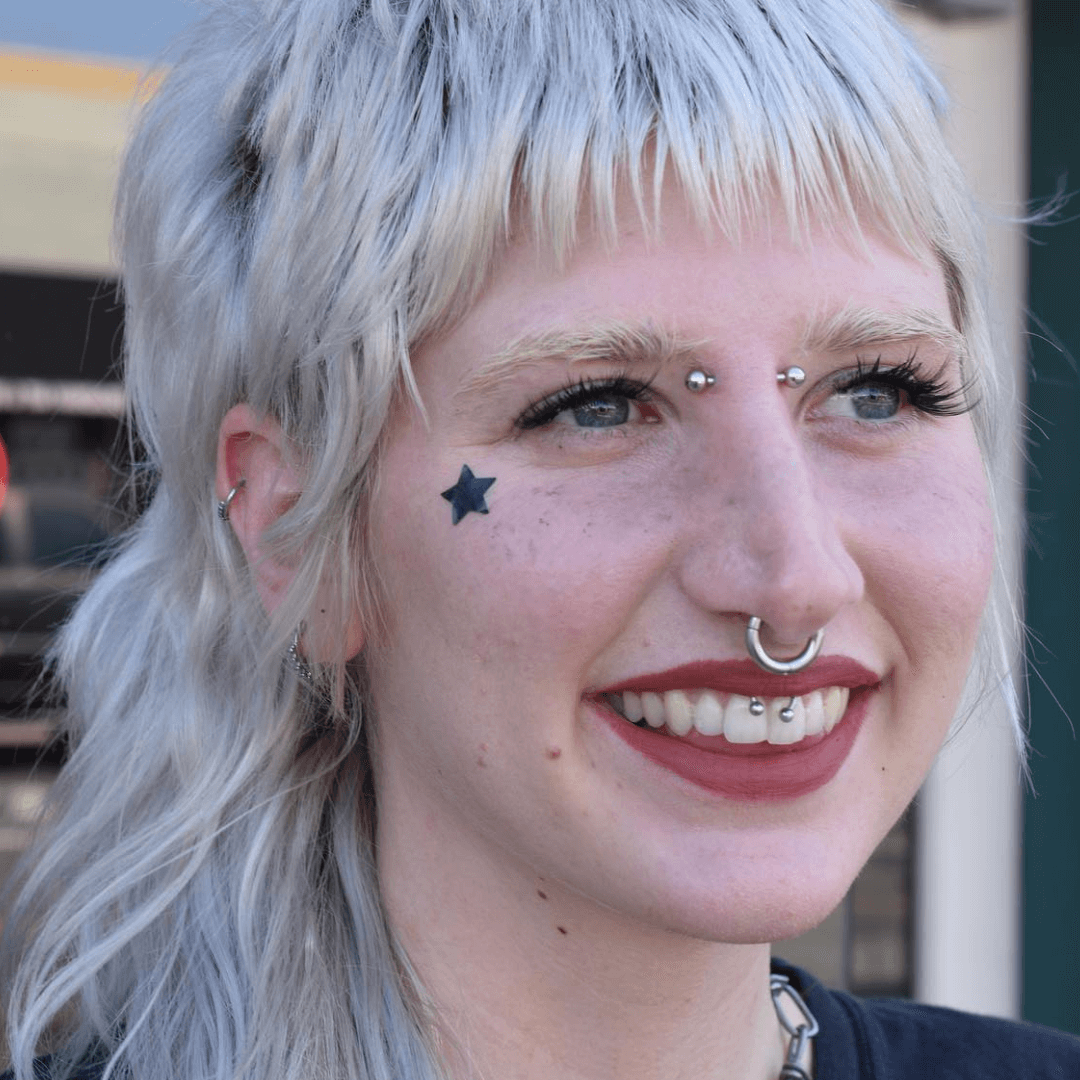
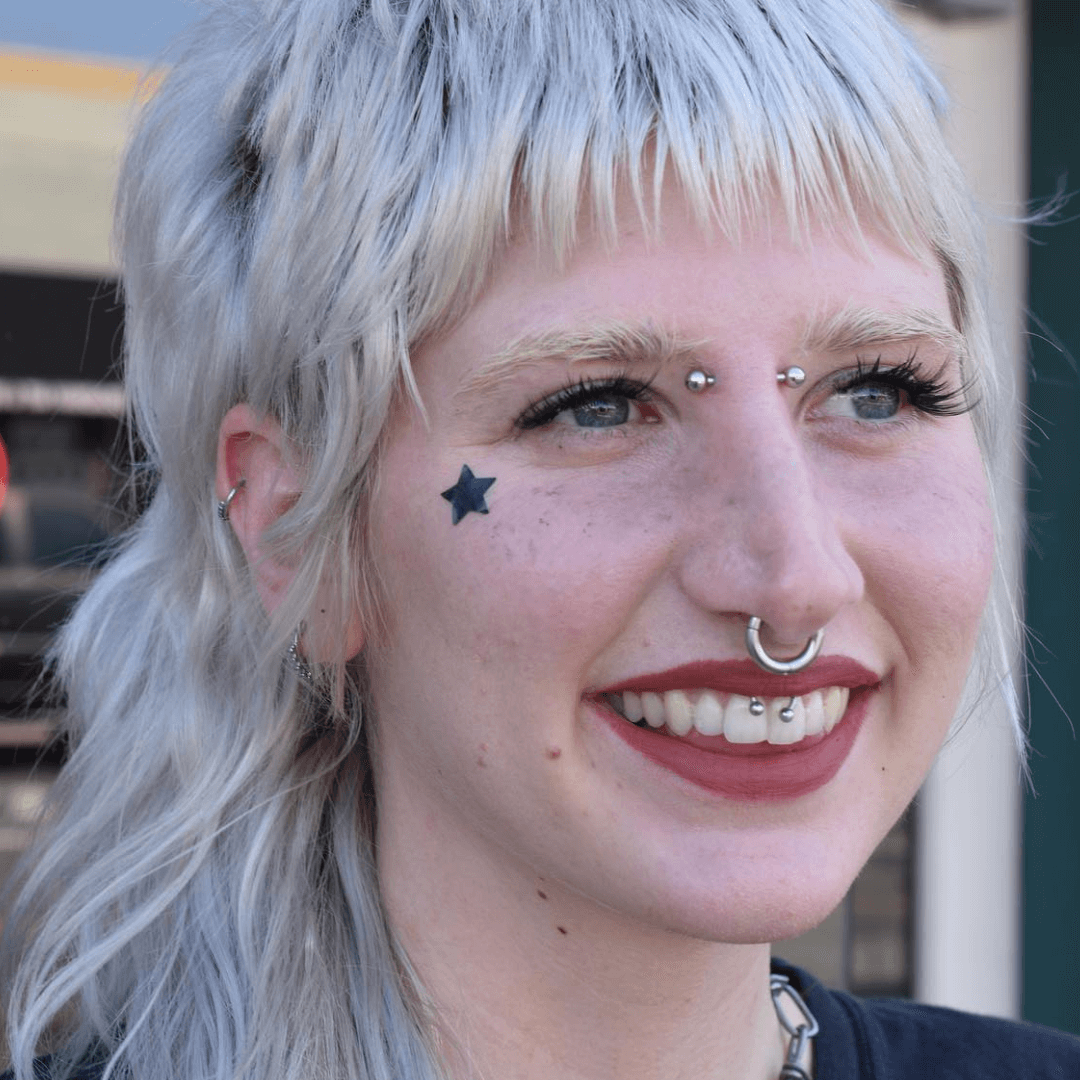
A smiley piercing—also known as a frenulum piercing—is located on the small piece of tissue connecting your upper lip to your gums. It’s a relatively subtle piercing, often only visible when you smile (hence the name). While they've been around for a while, they've seen a surge in popularity thanks to social media, but they aren’t always the easiest piercing to get done well.
Finding a piercer who is experienced with oral piercings is absolutely essential. This isn’t a piercing you want to bargain hunt for. The anatomy is delicate, and a poorly placed piercing can lead to a lot of issues. There’s not a huge amount of documented history on smiley piercings; they’ve become more mainstream in the last decade or so as piercing techniques have improved.
One myth I constantly hear is that smiley piercings heal incredibly quickly. While they can heal faster than some piercings, it's still a process that requires diligent aftercare and can take several months. Another misconception is that any piercer can do them; this is false. You need someone who understands the oral cavity and can navigate the potential complications.
Piercing fees
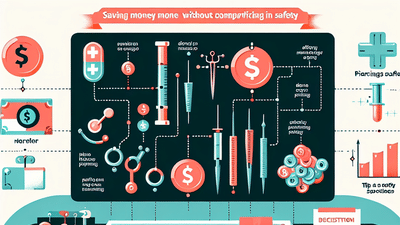
Let’s talk money. In 2026, you can realistically expect to pay between $80 and $250 for the piercing itself. That’s a fairly wide range, I know, but it's heavily influenced by location and the piercer’s skill and reputation. A newer piercer, or one in a less expensive area, will likely be on the lower end of that scale.
Major cities generally have higher costs of living, and that extends to piercing prices. I've seen studios in New York and Los Angeles charging upwards of $200 for a smiley piercing, while smaller towns might offer it for around $80-$120. The piercer’s experience is a huge factor. Someone with years of experience and a strong portfolio will likely charge more, and in my opinion, it’s worth it.
It’s also worth considering the studio itself. A shop that maintains a high level of cleanliness and uses sterile equipment will likely have higher fees, but that's a cost you shouldn’t skimp on. You're paying for a safe and professional experience. Don't be afraid to ask potential piercers about their sterilization procedures.
Jewelry costs
The jewelry used for a smiley piercing is typically a small-gauge barbell or a ring. Barbells are often preferred initially to allow for easier cleaning and movement during the healing process. Rings can be switched to once the piercing is fully healed, but some piercers will start with a ring if the anatomy allows.
Surgical steel is the most common and affordable material, typically ranging from $20 to $60 for a basic barbell. However, it's not the best option for long-term wear, as some people can develop sensitivities. Titanium is a much more biocompatible option, and you can expect to pay between $50 and $100 for a titanium barbell.
If you’re considering gold, be sure it's at least 14k gold to avoid irritation. 14k gold barbells can range from $100 to $300 or more, depending on the karat and the complexity of the design. I generally recommend sticking with titanium or surgical steel for the initial healing period and then upgrading to gold if desired. Cheaper jewelry can contain nickel or other alloys that can cause irritation, prolong healing, and even lead to infection.
Here’s a quick breakdown:
* Surgical Steel: $20 - $60
* Titanium: $50 - $100
* 14k Gold: $100 - $300+
Smiley Piercing Jewelry Material Comparison (2026)
| Material | Approximate Price (USD) | Biocompatibility | Durability | Aesthetic Appeal |
|---|---|---|---|---|
| Surgical Steel | Generally $20 - $60 (for the jewelry itself) | 4/5 stars - Good for initial piercing, but some individuals may have sensitivities. | 3/5 stars - Can tarnish or corrode over time. | 3/5 stars - Silver-toned, relatively simple appearance. |
| Titanium | $30 - $80 (for the jewelry itself) | 5/5 stars - Highly biocompatible, excellent for sensitive skin and reducing allergic reactions. | 4/5 stars - Very durable and corrosion-resistant. | 3/5 stars - Silver-toned, similar to surgical steel but with superior biocompatibility. |
| 14k Gold | $100 - $300+ (for the jewelry itself) | 4/5 stars - Generally biocompatible, though some alloys may contain nickel. | 3/5 stars - Softer metal, may require occasional polishing and is susceptible to bending. | 5/5 stars - Classic gold appearance, available in various shades (yellow, white, rose). |
| 18k Gold | $250 - $600+ (for the jewelry itself) | 4/5 stars - Similar biocompatibility to 14k gold, but higher gold content. | 3/5 stars - Softer than 14k gold, requires more careful handling and is more prone to scratches. | 5/5 stars - Rich, luxurious gold appearance, available in various shades. |
| Glass | $20 - $50 (for the jewelry itself) | 5/5 stars - Highly biocompatible and inert. | 2/5 stars - More fragile than metal options; prone to breakage. | 2/5 stars - Limited aesthetic options, typically clear or simple colors. |
| Bioplast | $15 - $40 (for the jewelry itself) | 5/5 stars - Highly biocompatible and flexible. | 3/5 stars - Durable enough for initial healing, but can wear down over time. | 2/5 stars - Limited aesthetic options, typically clear or basic colors. |
Illustrative comparison based on the article research brief. Verify current pricing, limits, and product details in the official docs before relying on it.
Hidden Costs: What Piercers Don't Always Tell You
The piercing fee and jewelry cost are just the beginning. There are several hidden expenses you need to factor into your budget. Aftercare solution is a big one. You’ll need a sterile saline solution to clean the piercing twice a day, and a small bottle can cost around $10-$20 and will need to be replaced regularly.
Travel costs can also add up, especially if you have to go to a reputable piercer who isn't located nearby. Consider gas, parking, or public transportation. If the piercing isn’t done correctly, or if you experience complications, you may need to pay for touch-ups or corrective procedures. These can range from a simple adjustment to a complete removal and re-piercing.
Then there’s the possibility of jewelry loss or rejection. Losing a small barbell isn’t uncommon, and replacing it can be surprisingly expensive. Rejection happens when your body pushes the jewelry out, and it often requires a visit to the piercer and potentially a new piercing.
Aftercare: Protecting Your Investment
Proper aftercare is the most important thing you can do to ensure your smiley piercing heals correctly and to avoid extra costs down the line. The primary method of aftercare is saline rinses. You should use a sterile saline solution – not homemade – and rinse the piercing twice a day after every meal. Avoid alcohol-based mouthwashes, as they can be very drying and irritating.
You’ll also want to avoid certain foods and habits during the healing process. Spicy, acidic, and sticky foods can irritate the piercing. Playing with the jewelry or touching it with dirty hands can introduce bacteria and lead to infection. Potential complications include infection (which may require antibiotics costing $50-$200 depending on severity) and rejection (which could necessitate removal and a potential re-piercing).
I always recommend checking out FreshTrends' aftercare guide for a more detailed walkthrough: . Ignoring aftercare is a surefire way to end up with complications and extra expenses. It's a small investment of time and effort that can save you a lot of trouble in the long run.
- Rinse with sterile saline solution twice daily.
- Avoid spicy, acidic, and sticky foods.
- Do not play with or touch the jewelry with dirty hands.
Finding the Right Piercer: Worth the Extra Cost?
Choosing a skilled and reputable piercer is paramount. Don't just walk into the first shop you find. Research piercers in your area, read online reviews, and check out their portfolios. Look for a piercer who specializes in oral piercings and has a good understanding of anatomy.
Certifications from organizations like the Association of Professional Piercers (APP) are a good sign, but not the only indicator of quality. A clean and sterile studio environment is non-negotiable. Before booking an appointment, ask the piercer about their sterilization procedures, their experience with smiley piercings, and what to expect during the process.
Is it worth paying more for an experienced piercer? Absolutely. A skilled piercer will minimize the risk of complications, ensure proper placement, and provide you with accurate aftercare instructions. The extra cost is a small price to pay for a safe and successful piercing experience. Questions to ask include: What gauge needle will you use? What material is the initial jewelry? What is your approach to aftercare?
Smiley Piercing Regret: Stories From the Community
It’s helpful to learn from others’ experiences. I spent some time browsing r/piercing and found several threads discussing smiley piercing regrets. One common theme was underestimating the healing time and not following aftercare instructions properly, leading to infections and prolonged discomfort.
Another regret was choosing a piercer based solely on price. Several users reported receiving poorly placed piercings from inexperienced piercers, resulting in complications and the need for removal. One user mentioned spending an additional $150 on dental work to address issues caused by a poorly placed piercing. It’s a good reminder that sometimes, the cheapest option isn’t the best option.
Long-Term Costs: Replacements & Adjustments
The costs don’t end once the piercing is healed. You may want to replace the initial jewelry with something more stylish or comfortable. Jewelry replacements can range from $50 to $300 or more, depending on the material and design. Over time, the piercing may shift slightly, requiring adjustments or even a re-piercing in some cases.
The lifespan of jewelry varies. Surgical steel can tarnish and wear down over time, while titanium and gold are more durable. You might need to replace your jewelry every few years, depending on how well you care for it. If you decide to remove the piercing, there may be a small fee associated with the removal process, typically around $20-$50.

No comments yet. Be the first to share your thoughts!