

The Orbital Piercing Renaissance: Why Now?
Orbital piercings aren’t new, but they’re experiencing a serious resurgence. An orbital piercing connects two or more existing piercings with a single, usually circular, piece of jewelry, like a seamless ring or a clicker connecting your helix and conch. The renewed interest stems from a desire for unique ear adornments that go beyond standard lobe or helix piercings.
The piercing world felt stagnant for a long time, with people sticking to the same few placements. Now, there’s a hunger for more complex and personalized looks. Orbital piercings deliver this. They’re visually striking and allow for creativity in jewelry choice and placement, making a statement.
Social media, especially Pinterest and TikTok, is playing a huge role. Orbital piercing inspiration is increasing, with people sharing unique setups and creating a ripple effect. It’s become less of a niche look and more of a mainstream trend, driven by the visual nature of these platforms. The aesthetic aligns with the 'clean girl' and 'e-girl' styles currently dominating online, accelerating the trend.
While the current boom feels fresh, the concept of connected piercings has roots in various cultures. 2026 appears to be the year it's hitting its stride, evolving from a relatively obscure choice to a must-have for piercing enthusiasts.
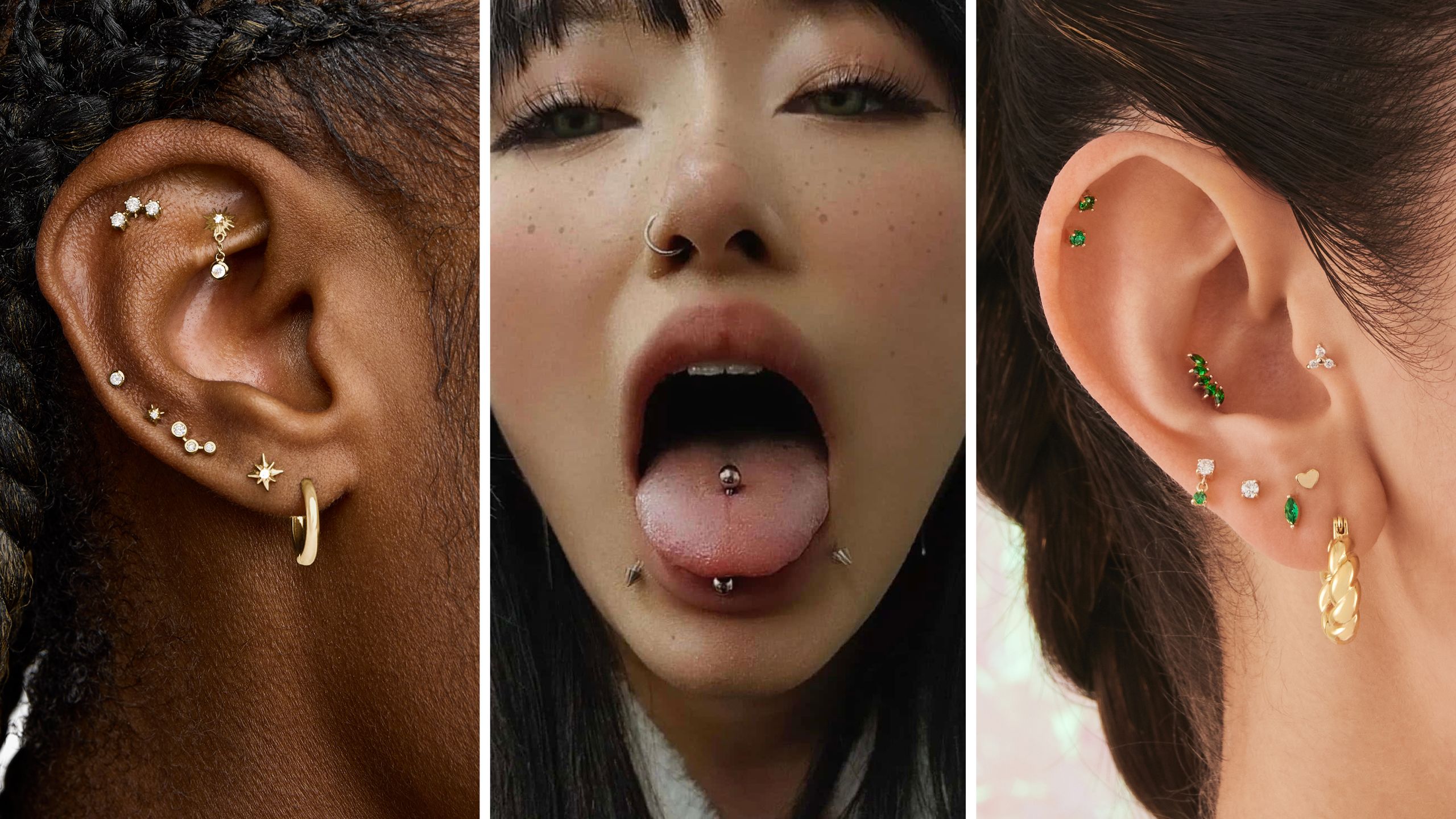
Anatomy & Placement: Where Can You Get an Orbital?
Orbital piercings are versatile, but not every ear is a good candidate. Placement depends heavily on ear anatomy, specifically cartilage thickness and shape. Common locations include a conch to helix connection, a forward helix to flat piercing link, or a snug to anti-helix pairing. These are popular because they generally have enough cartilage to support the jewelry and heal well.
Cartilage thickness is important. If cartilage is too thin, the jewelry can put too much pressure on the tissue, leading to irritation, migration, or rejection. Ear shape also matters; a flat or oddly shaped ear might not be suitable for certain orbital placements. A skilled piercer will assess your anatomy and advise on what’s possible and safe.
Choose a piercer with a thorough understanding of ear anatomy. They need to know where cartilage is thickest, where nerves and blood vessels are located, and how to avoid potential complications. This isn’t something to DIY or trust to just anyone. Bad placement can lead to long-term pain and damage. Ask about their experience with orbital piercings specifically before committing.
Jewelry Choices: Hoops, Clickers, and Beyond
For orbital piercings, jewelry is everything. The ring is the focal point, so choosing the right one is important. Seamless rings are a classic choice, creating a smooth, continuous loop with no visible closure. Captive bead rings offer a slightly more textured look. Clicker rings are also a popular option.
Clicker rings are secure and easy to insert and remove. They have a small hinge that clicks shut, providing a clean and comfortable fit. They come in many styles, from minimalist bands to ornate designs with gemstones. The choice comes down to personal preference and aesthetic.
Material is as important as style. Surgical steel is a common and affordable option, but higher-quality materials like titanium or solid 14k gold are recommended, especially for initial piercings. These are more biocompatible, meaning they’re less likely to cause allergic reactions or irritation. Some people have sensitivities to nickel, often found in surgical steel, making titanium a safer bet. Allergic reactions to lower-quality metals are common.
Here's a quick rundown of common options:
* Seamless Rings: Smooth, continuous loop. Good for a minimalist look.
* Captive Bead Rings: Feature a small bead held in place by the ring. More textured.
* Clicker Rings: Secure and easy to use, available in many styles.
- Seamless Rings: Smooth, continuous loop. Good for a minimalist look.
- Captive Bead Rings: Feature a small bead held in place by the ring. More textured.
- Clicker Rings: Secure and easy to use, available in many styles.
Orbital Jewelry Materials: Ranked
- Titanium (ASTM F-136) - Considered the gold standard for initial piercings and those with sensitivities. It's incredibly biocompatible, lightweight, and doesn't contain nickel. While more expensive than surgical steel, it's a worthwhile investment for long-term wear and healing.
- Solid Gold (14k or Higher) - A popular choice for its beauty and value. 14k gold (58.3% pure gold) is more durable and less prone to bending than lower karat options. Ensure it's nickel-free; many golds are alloyed with nickel. Higher karat gold (18k, 22k) is softer and more susceptible to scratches.
- Platinum - Extremely durable, hypoallergenic, and doesn't tarnish. Platinum is one of the most expensive jewelry metals, making it a luxury option. It’s a naturally white metal, so it doesn’t require plating.
- Niobium - Another highly biocompatible option, similar to titanium. Niobium is lightweight, corrosion-resistant, and often available in a range of colors through anodization. It's generally more affordable than titanium.
- Surgical Stainless Steel (316L or 316LVM) - A common and relatively affordable choice. 316L stainless steel contains molybdenum, increasing its corrosion resistance. 316LVM is a vacuum-melted version with even greater biocompatibility. However, it *can* contain trace amounts of nickel, which may cause reactions in sensitive individuals.
- White Gold (14k or Higher) - Visually appealing, but typically plated with rhodium to achieve its bright white color. This rhodium plating *can* wear away over time, exposing any nickel alloys underneath. Regular replating is needed to maintain the white color and prevent potential allergic reactions.
The Pain Factor: What to Expect During and After
Getting an orbital piercing isn’t pain-free. It involves multiple piercings through cartilage, which is denser and more sensitive than lobe tissue. Pain tolerance is subjective; what one person finds excruciating, another might find manageable. Go in prepared and be honest with your piercer if you're feeling overwhelmed.
You’ll feel a sharp, brief pain with each puncture. Cartilage pain differs from lobe pain, often described as a dull ache or pressure. The piercing location impacts pain level; a forward helix to flat orbital might be more painful than a conch to helix one. Your piercer can use topical numbing creams to minimize discomfort, but they won’t eliminate it entirely.
Aftercare discomfort often sets in after the piercing. You’ll experience soreness, swelling, and redness. Follow your piercer’s aftercare instructions diligently to prevent infection and promote healing. Expect throbbing and sensitivity for the first few days, which should gradually subside.
Is an Orbital Piercing Right For You?
Orbital piercings are gaining massive popularity, predicted to be *the* ear piercing of 2026! But they’re not for everyone. This quiz will help you determine if your pain tolerance, lifestyle, and commitment to aftercare align with the requirements for a successful and happy orbital piercing experience.
Healing & Aftercare: A Comprehensive Guide
Proper aftercare is paramount for successful orbital piercing healing. The healing process can take 6-12 months, sometimes longer, depending on your body and piercing placement. Consistency is key during this time.
Regular cleaning with a sterile saline solution is the foundation of aftercare. NeilMed Piercing Aftercare spray is gentle and effective. Clean the piercing twice a day, spraying the saline solution onto the jewelry and surrounding skin. Avoid harsh soaps, alcohol, or hydrogen peroxide, as these can irritate tissue and delay healing.
Avoid touching, twisting, or playing with the jewelry. Don’t apply makeup, lotions, or hair products near the piercing. Avoid swimming in pools, hot tubs, or open water until fully healed. Be careful when sleeping to avoid putting pressure on the piercing. Don't change the jewelry prematurely – wait until it’s completely healed.
Potential complications include keloid formation (raised scars) and rejection (the body pushing the jewelry out). If you notice any signs of infection – excessive redness, swelling, pus, or fever – see a doctor immediately. Early intervention is crucial to prevent serious problems. If you suspect rejection, consult your piercer; they may be able to adjust the jewelry or recommend a different placement.
Cost Breakdown: What Will Your Orbital Really Cost?
Let's talk about the financial side of things. The cost of an orbital piercing can vary quite a bit depending on the studio, the piercer’s experience, and the jewelry you choose. Expect to pay anywhere from $80 to $200 for the piercing itself, although prices can be higher in major cities or at high-end studios.
The jewelry is where the cost can really add up. A basic seamless ring made of surgical steel might cost around $30-$50, while a high-quality titanium or gold clicker ring can easily run you $100-$300 or more. Gemstones will also increase the price. Don't automatically go for the cheapest option – investing in quality jewelry is worth it for long-term comfort and biocompatibility.
Factor in the cost of aftercare products, such as saline spray (around $10-$20 a bottle). You might also need to budget for follow-up appointments with your piercer to ensure proper healing. And be prepared for the possibility of needing to replace the jewelry if it becomes damaged or rejected. A realistic total cost for an orbital piercing, including jewelry and aftercare, could be anywhere from $150 to $500+.
Orbital Piercing Styles Trending in 2026
Right now, we’re seeing a lot of creativity with orbital piercings. Double orbitals – connecting two sets of piercings with separate rings – are gaining popularity, creating a more complex and eye-catching look. Stacked orbitals, where multiple rings are connected in a row, are also trending, especially along the helix.
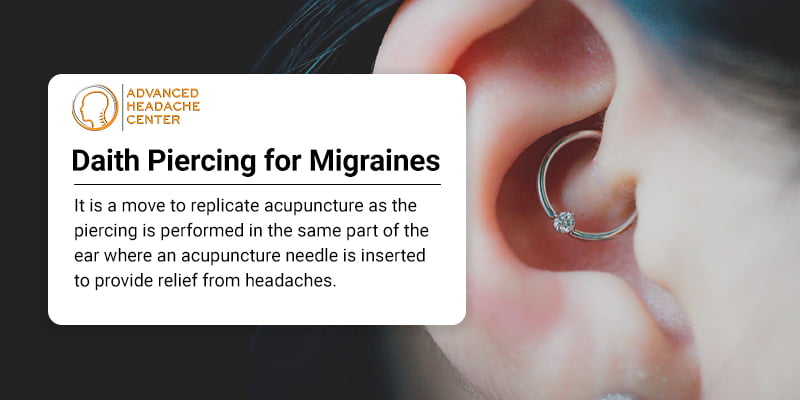
Combining orbitals with other piercings is another big trend. People are pairing them with conch piercings, daith piercings, and even tragus piercings to create truly unique earscapes. The goal is to create a cohesive and personalized look that reflects your individual style.
Jewelry choices are also evolving. We’re seeing a lot of interest in colorful gemstones, particularly opals and turquoise. Mixed metal aesthetics – combining gold and silver – are also popular. And minimalist designs with delicate chains and charms are gaining traction. TikTok is a great place to see these trends in action; search for #orbitalpiercing to get inspired.
Specifically, I've noticed a lot of people opting for asymmetrical orbital placements. Instead of mirroring the same setup on both ears, they're experimenting with different placements and jewelry styles on each side. This adds a touch of individuality and makes the look even more unique.
Finding a Reputable Piercer: Your Safety Checklist
Your safety should be your top priority when getting an orbital piercing. A reputable piercer will prioritize hygiene, use sterile equipment, and provide thorough aftercare instructions. Start by verifying that the piercer and studio are licensed and certified by the appropriate regulatory bodies.
Next, check the studio’s hygiene standards. It should be clean and well-maintained, with visible sterilization procedures in place. The piercer should use single-use, disposable needles and gloves. They should also have an autoclave for sterilizing reusable instruments. Don’t be afraid to ask questions about their sterilization practices.
Review the piercer’s portfolio to see examples of their work, specifically orbital piercings. This will give you an idea of their skill and aesthetic. Read online reviews from other clients to get a sense of their reputation. And most importantly, trust your gut. If something feels off, don’t hesitate to walk away.
Red flags to watch out for include a piercer who isn’t willing to answer your questions, who uses outdated equipment, or who doesn’t follow proper hygiene protocols. A good piercer will be happy to educate you and address any concerns you have. Remember, this is your body, and you deserve to feel safe and comfortable.
I've been trying out ~ jewelry ~ lately and am surprised by how much I enjoy the feeling of this ear cuff
— Talia 🌿 SF | NYC 5/7-12 (@TaliaGraceSable) September 25, 2025
I've never had any piercings, but now for the first time in my life I'm considering getting an orbital piercing pic.twitter.com/5WhUlsXAMz

No comments yet. Be the first to share your thoughts!