

Get your daith piercing right
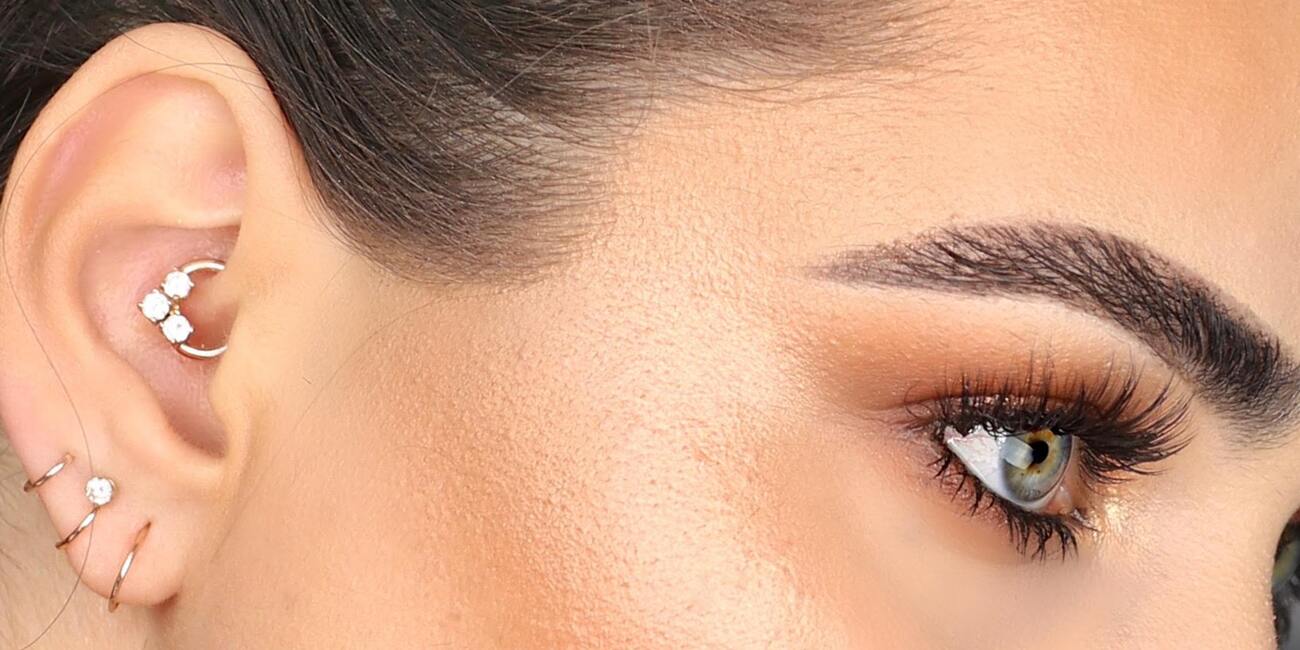
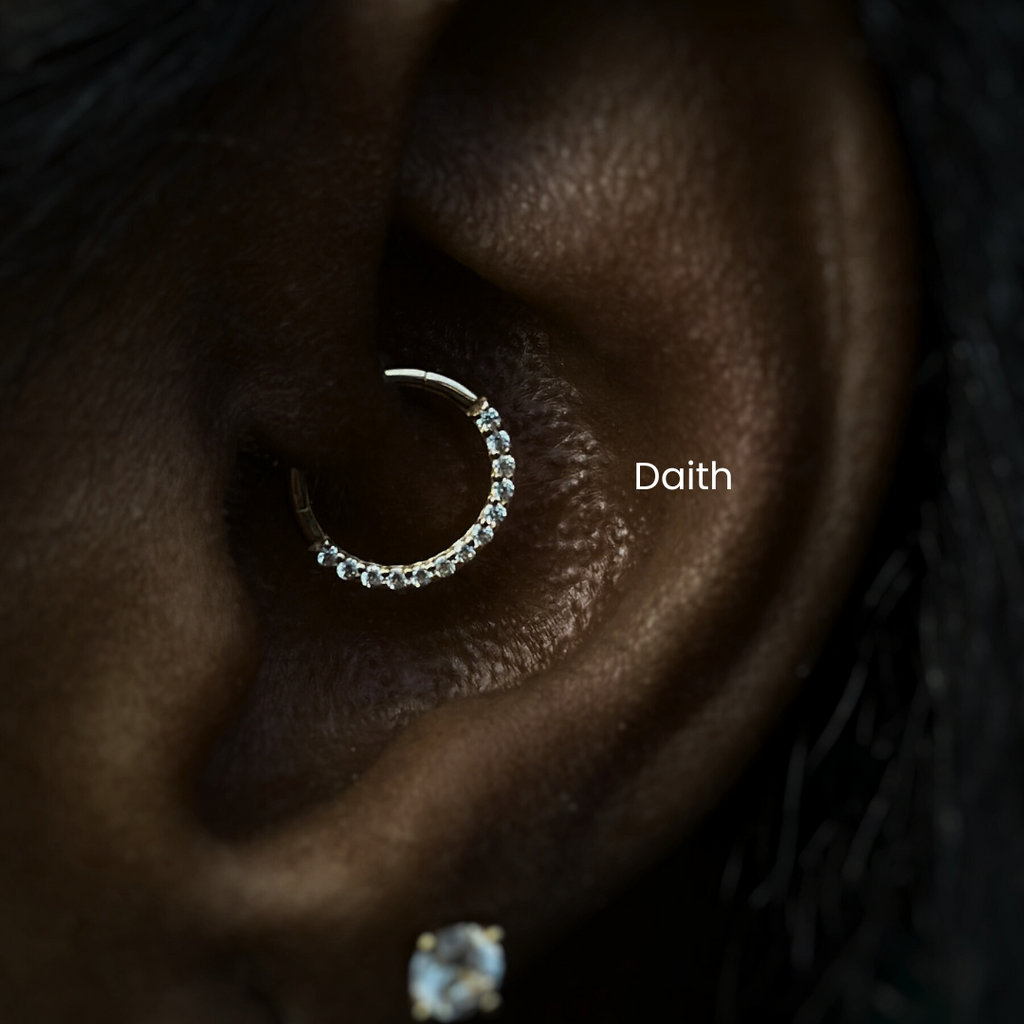
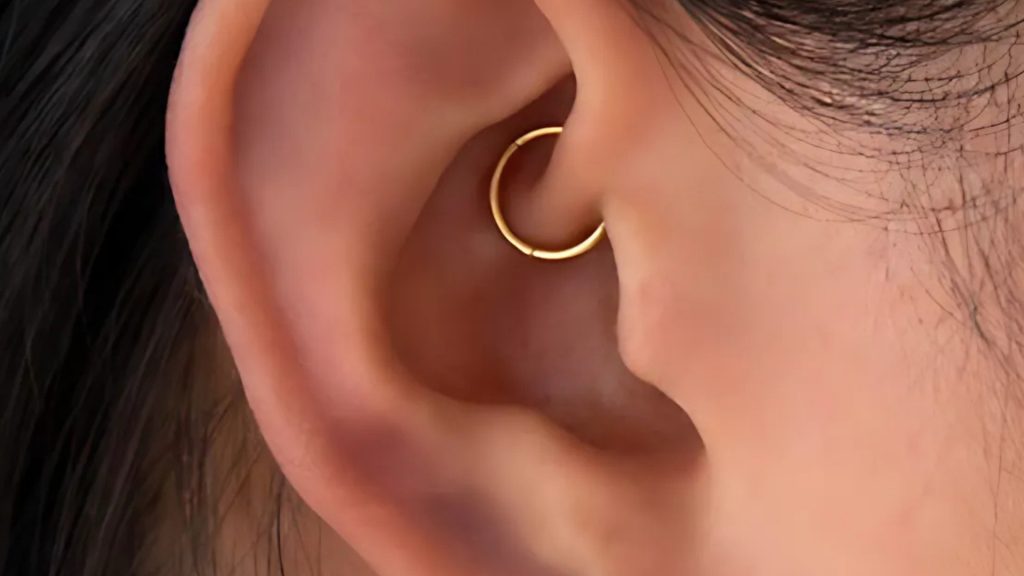
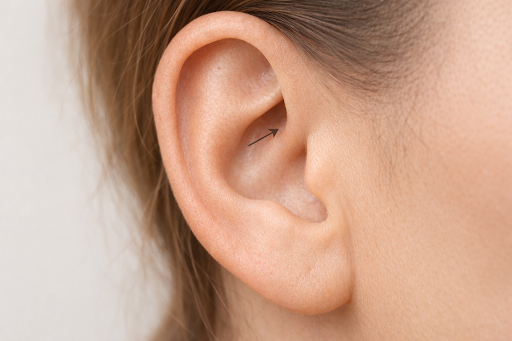
Before you sit in the chair, understanding the anatomy and healing timeline is non-negotiable. The daith is a cartilage piercing located in the innermost fold of your ear, known as the crus of the helix. Because cartilage has limited blood supply, it heals significantly slower than lobe piercings. Expect a full healing period of six to twelve months, during which the jewelry must remain undisturbed.
Verify the placement
Proper placement is the difference between successful healing and constant irritation. A skilled piercer will map the fold to ensure the needle passes through the thickest part of the cartilage ridge. If the placement is too high or too low, the jewelry will sit unevenly, increasing the risk of rejection or migration. Ask to see a before-and-after diagram or a live mapping with a marker before the needle is sterilized.
Choose the right jewelry
Start with an implant-grade titanium or 14k gold circular barbell. These materials are hypoallergenic and durable, reducing the risk of infection during the long healing phase. Avoid starter jewelry made of surgical steel or mystery metals, which can cause allergic reactions or discoloration. The initial piece should be long enough to accommodate swelling but not so long that it catches on hair or clothing.
Set up your aftercare routine
Consistency is critical. Clean the area twice daily with a sterile saline solution, avoiding alcohol or hydrogen peroxide, which dry out and damage healing tissue. Do not twist or rotate the jewelry, as this disrupts the forming fistula. If you experience excessive redness, heat, or pus, consult your piercer or a healthcare provider immediately. Early intervention prevents complications that could lead to removal or scarring.
Work through the steps
Piercing Trends works best as a clear sequence: define the constraint, compare the realistic options, test the tradeoff, and choose the path with the fewest hidden costs. That order keeps the advice usable instead of decorative. After each step, pause long enough to check whether the recommendation still fits the reader's actual situation. If it depends on perfect timing, unusual access, or a best-case budget, include a simpler fallback.
Fix common mistakes
Even with a skilled piercer, poor aftercare or wrong jewelry choices can turn a trendy daith or smiley piercing into a healing nightmare. The ear’s cartilage has limited blood flow, making it prone to irritation bumps, migration, and prolonged healing if handled incorrectly. Below are the most frequent errors that derail recovery and how to avoid them.
Choosing the wrong jewelry material
Many beginners select fashion jewelry or low-grade alloys that trigger allergic reactions. Cartilage piercings require implant-grade titanium, niobium, or 14k+ solid gold to prevent nickel exposure and rejection. Avoid surgical steel unless it is explicitly labeled implant-grade, as it often contains trace metals that irritate sensitive tissue.
Over-cleaning with harsh chemicals
Aggressive cleaning with hydrogen peroxide, alcohol, or tea tree oil strips the skin of natural oils and damages new cells. This slows healing and increases scabbing. Stick to sterile saline spray twice daily. Gently pat dry with a non-woven gauze or paper towel; never use cloth towels, which harbor bacteria and fibers that can snag the jewelry.
Sleeping on the piercing
Pressure from sleeping on a new daith or smiley piercing causes swelling, embedding, and misalignment. This is especially common with daith piercings, which sit deep in the ear’s inner fold. Use a travel pillow with a hole in the center to keep pressure off the ear while sleeping. This simple adjustment can cut healing time by weeks.
Touching or twisting the jewelry
Touching the piercing introduces bacteria and disrupts the forming fistula. Twisting the jewelry is an outdated practice that tears delicate healing tissue. Only touch the area when cleaning, and let the jewelry sit still. If the jewelry migrates or feels loose, contact your piercer immediately rather than adjusting it yourself.
Daith piercing: what to check next
Before committing to a daith piercing, it helps to separate cultural symbolism from medical reality. This section addresses the most common practical concerns readers face when researching this specific cartilage piercing.
Understanding these distinctions helps you decide if the daith piercing aligns with your personal goals, whether aesthetic, cultural, or otherwise. Always consult a professional piercer for advice tailored to your anatomy and healing history.
No comments yet. Be the first to share your thoughts!