

Piercing pals budget: real price and condition choices that change the plan
Getting a daith or smiley piercing involves more than just the initial fee. The total cost depends heavily on your location, the studio’s reputation, and the jewelry quality. While some shops advertise low entry prices, the final bill often includes mandatory jewelry upgrades and aftercare supplies. Understanding these variables helps you avoid hidden fees and ensures you’re paying for professional, sterile service.
Breakdown of Typical Costs
Studio fees for a single daith piercing usually range from $40 to $80. Smiley piercings are similarly priced but can cost slightly more due to the precision required in the frenulum. These fees typically cover the procedure and a basic starter piece. However, most piercers recommend upgrading to implant-grade titanium or solid gold jewelry immediately to prevent rejection and allergic reactions. Upgrading can add $20 to $100 to your total, depending on the metal and design.
Age and Condition Requirements
Most reputable studios require clients to be at least 18 years old for ear and oral piercings. Minors often need parental consent and presence, but many top-tier studios refuse to pierce minors altogether due to healing complications and liability. Additionally, piercers may decline service if you have active infections, blood clotting disorders, or are on certain medications like blood thinners. Always disclose your medical history honestly to ensure safe healing.
Choosing the Right Studio
Investing in a certified professional piercer is non-negotiable. Look for APP (Association of Professional Piercers) members who adhere to strict hygiene standards. Cheap piercings from unlicensed individuals or mall kiosks carry higher risks of infection, migration, and nerve damage. While the upfront cost is higher, the long-term savings in healing time and medical bills make professional service the smarter choice.


As an Amazon Associate, we may earn from qualifying purchases.
Shortlist real options
Choosing the right jewelry for a daith or smiley piercing comes down to material quality, gauge, and fit. Because these piercings sit in sensitive cartilage or thin lip tissue, the wrong piece can cause migration, rejection, or prolonged healing. We compared the strongest options available from Piercing Pals to help you pick gear that actually works.
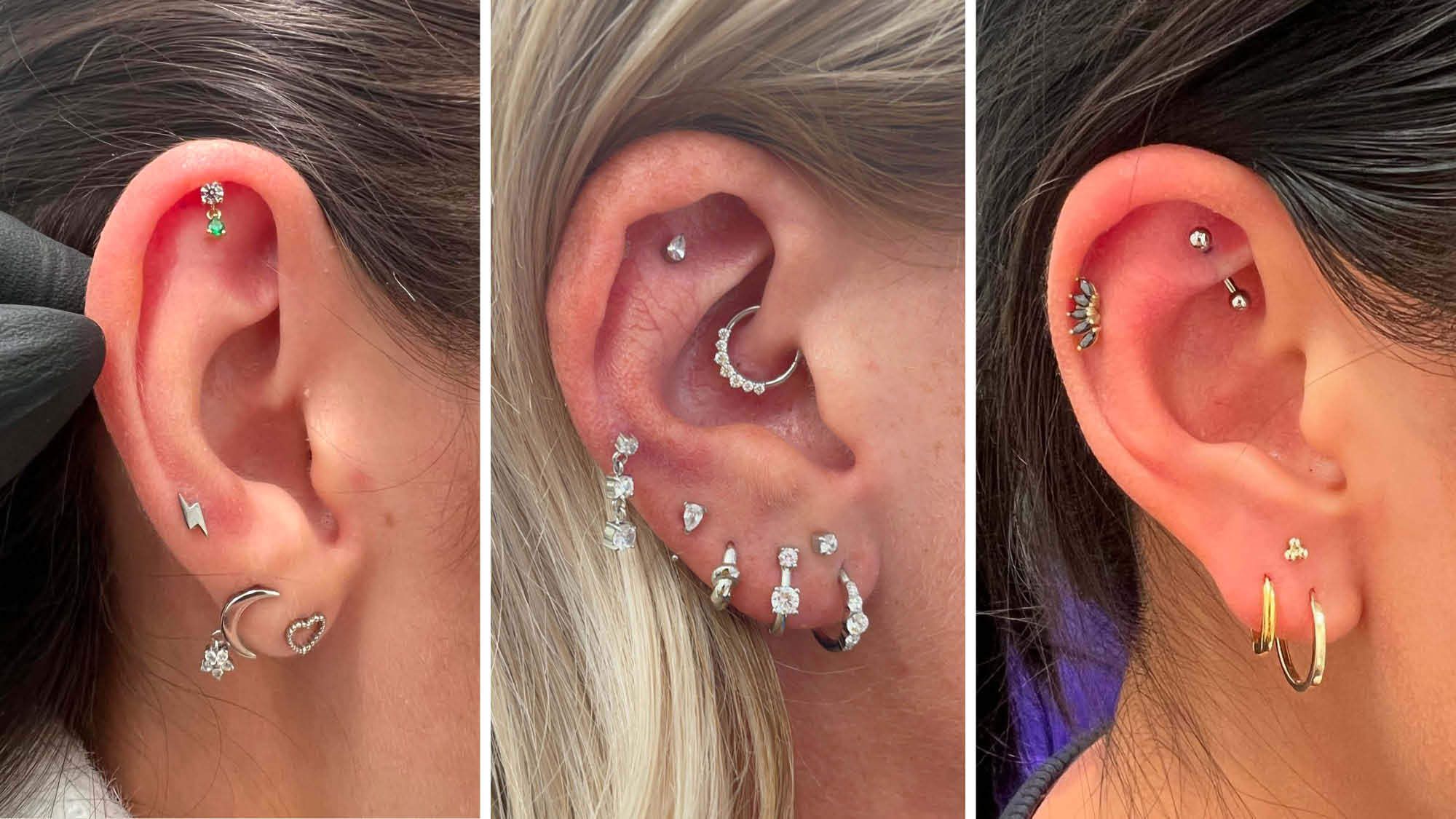
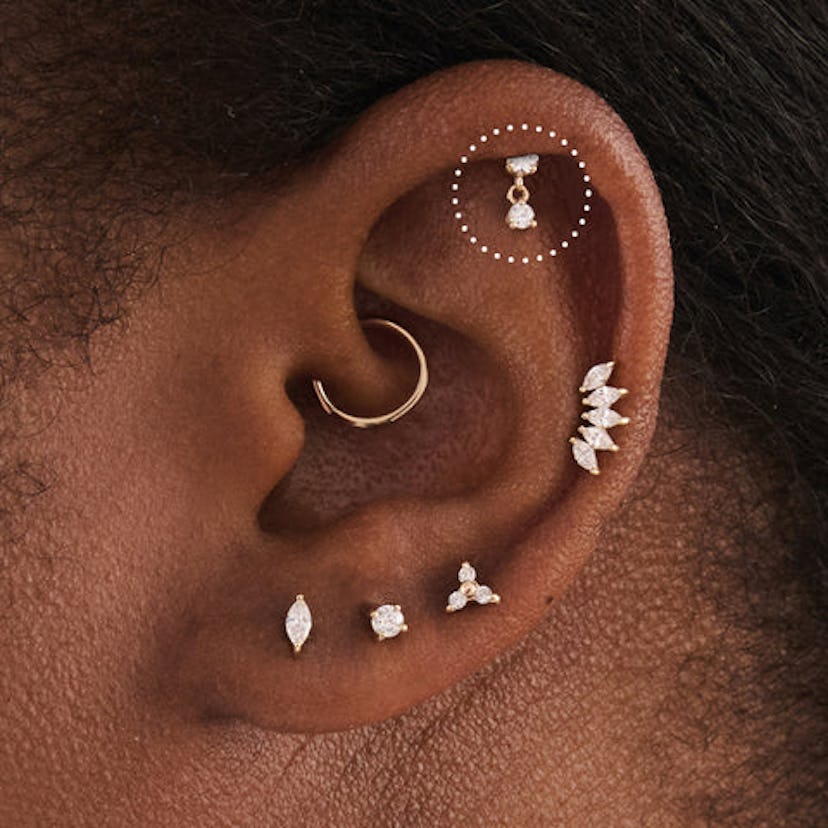
The daith piercing sits in the innermost fold of your ear cartilage. It requires a curved barbell that follows the ear’s natural shape. Standard jewelry is often too short for fresh piercings, leading to pressure sores. Look for implant-grade titanium or niobium, which resist corrosion and reduce allergic reactions.
Smiley piercings go through the thin tissue under your upper lip. This area moves constantly when you talk or eat, so flexibility matters. A small circular barbell or captive bead ring works best. Avoid heavy materials that drag on the tissue. The jewelry should sit comfortably without catching on teeth or gums.
We focused on three key factors: material safety, gauge compatibility, and healing suitability. Each option below meets these standards. We avoided cheap mystery metals and plated items that peel over time. The goal is jewelry that stays put and heals cleanly.
| Jewelry Type | Material | Gauge | Best For |
|---|---|---|---|
| Curved Barbell | Implant-Grade Titanium | 16g | Healing Daith |
| Circular Barbell | Niobium | 18g | Healing Smiley |
| Captive Bead Ring | Gold-Plated Titanium | 18g | Healed Smiley |
| Straight Barbell | Surgical Steel | 14g | Standard Daith |
Material choice is the most critical decision. Implant-grade titanium is the gold standard for fresh piercings because it is hypoallergenic and biocompatible. Niobium is a close second, offering similar safety with more color options. Surgical steel is acceptable for healed piercings but carries a higher risk of nickel allergy for sensitive skin.
Gauge refers to the thickness of the jewelry. Daith piercings typically start at 16g or 14g, depending on the studio’s protocol. Smiley piercings are usually 18g because the tissue is thinner. Going too thin can cause the "cheese cutter" effect, where the jewelry slices through the tissue over time.
Fit determines comfort during healing. Jewelry that is too tight causes swelling and pain. Jewelry that is too long catches on hair, masks, or teeth. Professional piercers measure your swelling allowance before finalizing the piece. Always ask for a slightly longer initial barbell if you are unsure.


As an Amazon Associate, we may earn from qualifying purchases.
When shopping, check the product description for "implant-grade" or "ASTM F136" titanium. These terms indicate medical-grade material safe for long-term wear. Avoid listings that just say "titanium" without the grade specification, as some cheaper versions contain impurities.
Consider the clasp mechanism. Captive bead rings must snap shut securely. If the bead pops out easily, it can be swallowed or lost. Look for rings with tight tolerance beads or screw-on closures for maximum security, especially for active wearers.
Inspect the expensive parts
Piercing Trends works best as a clear sequence: define the constraint, compare the realistic options, test the tradeoff, and choose the path with the fewest hidden costs. That order keeps the advice usable instead of decorative. After each step, pause long enough to check whether the recommendation still fits the reader's actual situation. If it depends on perfect timing, unusual access, or a best-case budget, include a simpler fallback.
The Real Cost of Ownership
A piercing studio quote covers the initial procedure, but it doesn’t cover the months of maintenance that follow. Treating a piercing like a one-time purchase leads to unexpected expenses and, worse, healing complications. The true cost includes the jewelry you start with, the aftercare products you use, and the potential fees for professional jewelry changes once the fistula has healed.
Initial Jewelry vs. Aftercare
Most studios use implant-grade titanium for the initial piercing. While this is the safest option for healing, it is often not the most aesthetically pleasing. You will likely want to switch to decorative jewelry—gold, silver, or gemstones—once the piercing is fully healed. This switch requires a second visit to a professional piercer or a careful at-home change if you have the skills, which adds to the timeline and cost.
Aftercare is another recurring expense. While saline spray is the standard recommendation, many people invest in specialized aftercare kits, travel-sized cleaning solutions, or even premium jewelry cleaners. If you are prone to irritation, you might also need to purchase higher-quality sleeping pillows or clothing adjustments to protect the piercing during the healing window.
When Cheap Piercings Get Expensive
The biggest financial risk is choosing a low-cost studio that cuts corners on sterilization or uses low-quality jewelry. If a piercing becomes infected or rejected due to poor initial placement or reactive metals, you will face medical bills and the cost of a re-piercing. It is always cheaper to pay for a reputable studio and high-quality initial jewelry than to treat complications later.


As an Amazon Associate, we may earn from qualifying purchases.
Long-Term Maintenance
Once healed, piercings still require care. Regular cleaning prevents buildup and keeps jewelry looking new. You may also need to replace jewelry over time due to wear and tear, fashion changes, or personal preference. High-quality jewelry lasts longer and reduces the risk of allergic reactions, making it a better long-term investment than cheaper alternatives.
No comments yet. Be the first to share your thoughts!