

Picking the right jewelry for your first piercing
Piercing Pals to Septum, Helix, Daith, and Smiley Styles works best as a clear sequence: define the constraint, compare the realistic options, test the tradeoff, and choose the path with the fewest hidden costs. That order keeps the advice usable instead of decorative. After each step, pause long enough to check whether the recommendation still fits the reader's actual situation. If it depends on perfect timing, unusual access, or a best-case budget, include a simpler fallback.
The simplest way to use this section is to write down the real constraint first, compare each option against it, and choose the path that still works outside ideal conditions.
Heal your septum and smiley piercings
Healing a septum or smiley piercing requires patience and a consistent routine. Because these piercings sit in high-movement areas of the face, they are prone to irritation from talking, eating, and touching. Follow these steps to keep the sites clean and reduce the risk of infection or migration.
Clean twice daily with saline
Use a sterile saline solution to clean your piercings morning and night. Spray the solution directly onto the piercing or apply it with a clean, non-woven gauze pad. Let the solution sit for a minute to soften any crusties, then gently wipe away debris. Avoid using cotton balls, as fibers can get caught in the jewelry and irritate the healing channel.
Rotate jewelry gently during cleaning
For septum piercings, gently turn the jewelry while it is wet with saline. This prevents the jewelry from sticking to the healing tissue inside the nostril. Do not force it if you feel resistance. For smiley piercings, do not rotate the jewelry; the labial frenulum is delicate, and movement can cause tearing or excessive scarring. Keep the smiley jewelry still to allow the tissue to heal comfortably.
Rinse after meals and oral activities
Smiley piercings are exposed to food, drink, and bacteria constantly. Rinse your mouth with an alcohol-free antibacterial mouthwash or warm salt water after every meal. This removes food particles that can get trapped under the jewelry or in the piercing hole. For septum piercings, rinse the area with saline after eating to prevent food residue from irritating the external site.
Leave the jewelry alone otherwise
Avoid touching your piercings with unwashed hands. Do not pick at scabs or crusties, as this disrupts the healing process and can introduce bacteria. If the area feels dry, apply a small amount of recommended aftercare ointment, but avoid heavy products that trap moisture. Let the piercings breathe and heal undisturbed between cleaning sessions.
Watch for signs of infection
Minor redness and swelling are normal in the first few weeks. However, watch for spreading redness, excessive heat, yellow or green discharge, or persistent pain. These are signs of infection that require professional attention. If you notice these symptoms, contact your piercer or a healthcare provider immediately. Do not remove the jewelry on your own, as this can trap the infection inside the tissue.
Navigating healing time for helix and daith piercings
Piercing Pals to Septum, Helix, Daith, and Smiley Styles works best as a clear sequence: define the constraint, compare the realistic options, test the tradeoff, and choose the path with the fewest hidden costs. That order keeps the advice usable instead of decorative. After each step, pause long enough to check whether the recommendation still fits the reader's actual situation. If it depends on perfect timing, unusual access, or a best-case budget, include a simpler fallback.
| Factor | What to check | Why it matters |
|---|---|---|
| Fit | Match the option to the primary use case. | A good deal still fails if it does not fit the job. |
| Condition | Verify age, wear, and service history. | Hidden condition issues erase upfront savings. |
| Cost | Compare purchase price with likely upkeep. | The cheapest option is not always the lowest-cost option. |
Avoiding common mistakes in piercing aftercare
The easiest mistake with Piercing Pals to Septum, Helix, Daith, and Smiley Styles is comparing options on the most visible detail while ignoring the day-to-day constraint. A choice can look strong on paper and still fail because it is too hard to maintain, too expensive to repeat, or awkward in the actual setting. Use the same checklist for every option: fit, cost, durability, timing, upkeep, and fallback plan. That keeps the comparison practical instead of drifting into preference alone.
The simplest way to use this section is to write down the real constraint first, compare each option against it, and choose the path that still works outside ideal conditions.
Estimating costs for septum, helix, daith, and smiley
Budgeting for these piercings requires separating the service fee from the jewelry cost. Most studios list a starting price that covers the procedure and basic jewelry, but upgrades or specific placements often change the final tab. Here is what you should expect for each style.
Septum piercing costs
A septum piercing typically ranges from $40 to $80. This usually includes a basic retainer or clicker. If you want a decorative captive bead ring or gold jewelry, expect to pay an additional $20 to $50.
Helix piercing costs
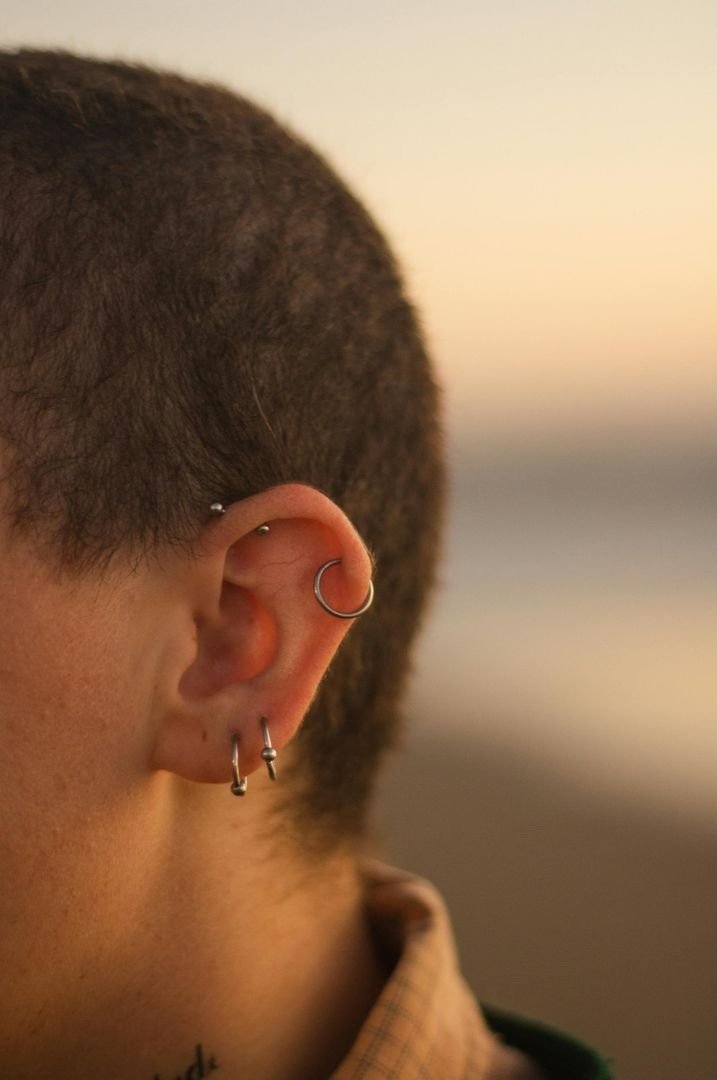
Helix piercings generally cost between $30 and $60. Since this is an ear cartilage piercing, the price is often lower than facial piercings. Standard studs are included, but hoops or custom designs will increase the total.
Daith piercing costs
Daith piercings are priced similarly to other ear cartilage piercings, often between $30 and $60. The complexity of the inner ear cartilage can sometimes push the service fee higher, depending on the studio’s expertise.
Smiley piercing costs
Smiley (frenulum) piercings are less common and may cost slightly more, ranging from $40 to $70. The small surface area requires precision, which some studios factor into their service fees.
FAQ: Healing, Pain, and Care for Your Piercings
How much does each piercing hurt? Pain is subjective, but most clients rate a septum or smiley as a quick, sharp pinch (2-3/10). Helix piercings involve cartilage, often feeling like a deeper pressure (4-5/10). Daith piercings can be more intense due to the dense cartilage fold, typically registering a 5-6/10.
How long does healing take? Septums and smileys heal fastest, usually clearing in 6-8 weeks. Helix cartilage is slower, taking 3-12 months to fully stabilize. Daith piercings follow a similar timeline to the helix, often requiring 6-9 months before you can comfortably change jewelry.
What are the signs of infection? Normal healing includes mild redness, swelling, and clear or whitish lymph fluid. You should contact a professional if you see thick yellow/green pus, feel intense heat, or experience red streaks spreading from the site. Pain should decrease daily, not worsen.
When can I change my jewelry? Do not touch or twist your jewelry during the initial healing phase. For septums and smileys, you can typically downsize or change jewelry after 6-8 weeks if fully healed. For helix and daith piercings, wait at least 3-6 months, and always have a professional piercer handle the first jewelry change to avoid trauma.
Work through Piercing Pals to 's Hottest Trends
No comments yet. Be the first to share your thoughts!