

Why piercing pals define 2026 trends
The "Piercing Pals" movement has shifted body modification from a solitary act of self-expression to a shared social ritual. Driven by viral TikTok and Instagram content, friends are increasingly coordinating matching or complementary piercings to solidify bonds. This trend prioritizes symmetry and shared experience, turning the piercing studio into a space for collective memory-making rather than just individual adornment.
Daith and smiley piercings have emerged as the primary vehicles for this trend. The daith, located in the innermost cartilage fold, offers a discreet yet distinct look that pairs well with helix or tragus matches. Meanwhile, the smiley piercing—a small stud inside the upper lip—provides a playful, hidden detail that friends can reveal to each other. These specific placements allow for subtle coordination without overwhelming the natural anatomy.
The social aspect amplifies the appeal. Seeing friends post their healing journeys creates a support network that encourages adherence to aftercare protocols. This communal accountability helps mitigate the risks associated with cartilage and oral piercings, making the coordinated approach not just aesthetically pleasing, but practically safer than solo attempts.
Choosing Jewelry for Daith Piercings
The daith sits in the innermost fold of your ear cartilage, making jewelry choice a balance of comfort and style. Because the piercing is tucked away, it pairs beautifully with the social coordination trend: tiny, intentional pieces that look like a curated stack rather than a single statement. When selecting jewelry, prioritize materials that heal well and styles that stay secure without snagging on hair or clothing.
Materials and Styles
For the initial piercing, stick to implant-grade titanium or solid 14k gold. These materials minimize the risk of irritation and allergic reactions in sensitive cartilage. Once healed, you can experiment with more decorative options, but always ensure the metal is high quality.
Popular Trends
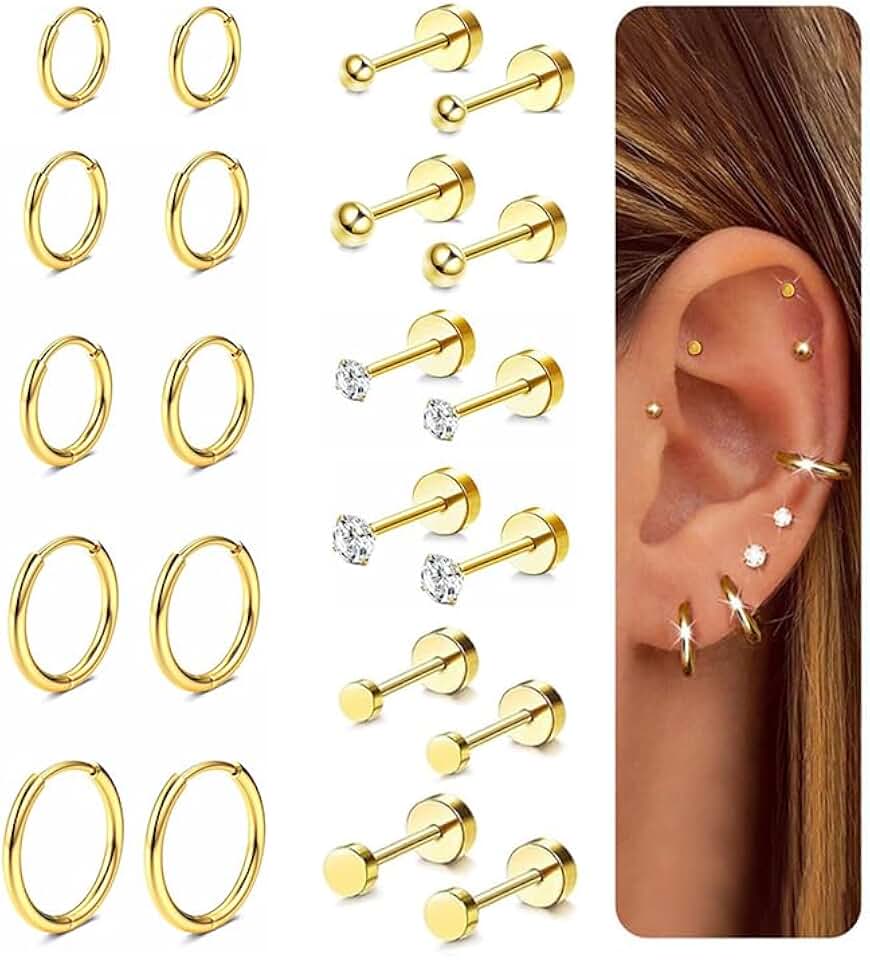
The aesthetic favors dainty, matching sets. Look for small hoops with gemstone charms or minimalist bars that can be layered with other helix and tragus piercings. The goal is a cohesive look that feels personal and polished. Avoid large, heavy pieces that can pull on the daith fold, causing discomfort or migration.


As an Amazon Associate, we may earn from qualifying purchases.
Care and Maintenance
Clean your jewelry regularly with a saline solution to prevent buildup and infection. Avoid harsh chemicals like alcohol or hydrogen peroxide, which can dry out the piercing and delay healing. If you experience redness or swelling, consult your piercer for advice on jewelry size and material. Regular check-ups ensure your piercing stays healthy and stylish.
Choosing the Right Smile Jewelry
Selecting jewelry for a smiley piercing requires balancing aesthetic appeal with the strict anatomical constraints of the upper lip. Because the piercing sits behind the upper front teeth, the jewelry must be low-profile to avoid constant friction against enamel and gums. High-profile pieces or those with dangling charms can chip teeth and irritate the piercing channel, leading to prolonged healing times or permanent damage. For social media content, the goal is often a subtle sparkle that is visible only when smiling, rather than a bulky statement piece.
Titanium is the standard material for initial healing due to its biocompatibility and lightweight nature. Once healed, you can transition to gold or steel, but the profile remains the most critical factor. Flat-back studs or small hoops that sit flush against the lip tissue minimize movement and reduce the risk of the "cheese-grater effect" on your teeth. This approach ensures your piercing remains a safe, stylish accessory that complements your look without compromising oral health.
| Jewelry Type | Comfort Level | Visibility | Healing Suitability |
|---|---|---|---|
| Flat-back Stud | High | Subtle | Excellent |
| Small Hoop (Implant-grade) | Moderate | Moderate | Good (if size is correct) |
| Dangle/Charm | Low | High | Poor (high risk of damage) |
| Large Gauge Ring | Low | High | Poor (excessive movement) |
The following options highlight popular styles that prioritize safety and aesthetic appeal for smiley piercings. These selections focus on low-profile designs that are less likely to cause trauma to the lips or teeth while still offering the visual pop desired for social sharing.


As an Amazon Associate, we may earn from qualifying purchases.
Essential Aftercare for New Piercings
Healing a daith or smiley piercing requires patience and precision. These are sensitive areas where infection risks can quickly ruin the aesthetic you paid for. Proper aftercare isn't just about hygiene; it's about protecting the jewelry and ensuring your piercings heal cleanly and clearly. Stick to a strict routine, avoid touching the sites, and keep your aftercare products simple and effective.
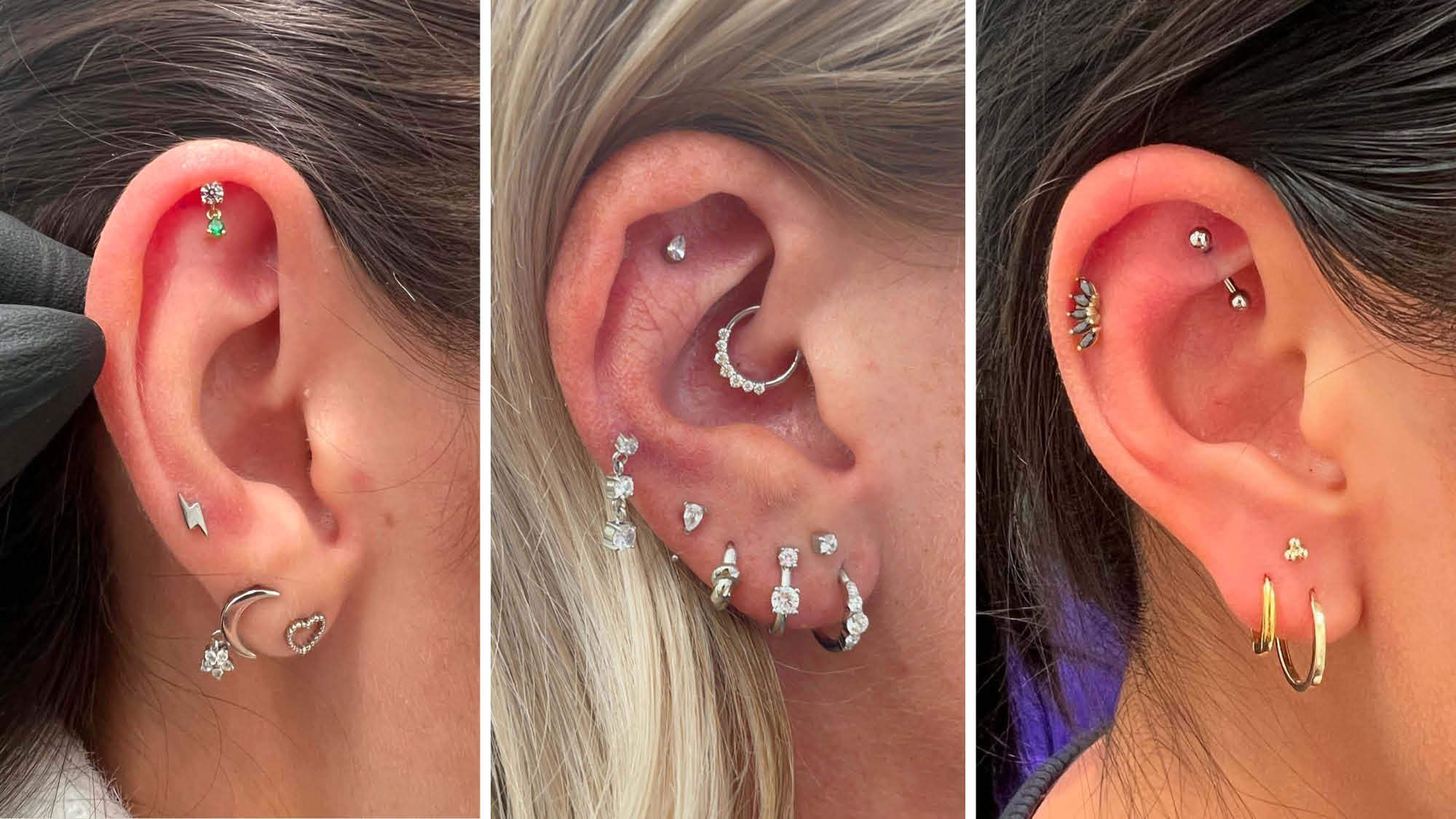
Spray a sterile saline solution directly on the piercing or use a clean cotton pad to soak the area. Do this morning and night. Avoid soap, alcohol, or hydrogen peroxide, as these irritate the tissue and delay healing. The goal is gentle cleaning, not aggressive disinfection.
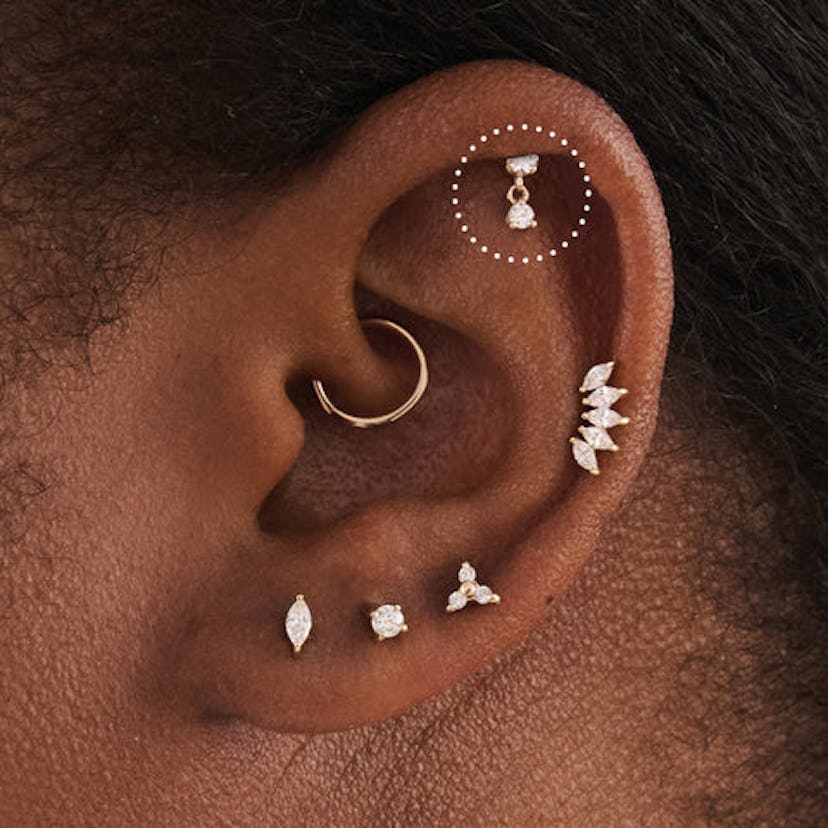
Once a day, soak a clean cloth in warm water with non-iodized sea salt and hold it against the piercing for five minutes. This helps draw out discharge and reduces swelling. For smiley piercings, you can mix a small amount of saline into a cup of warm water and swish gently for the same duration.
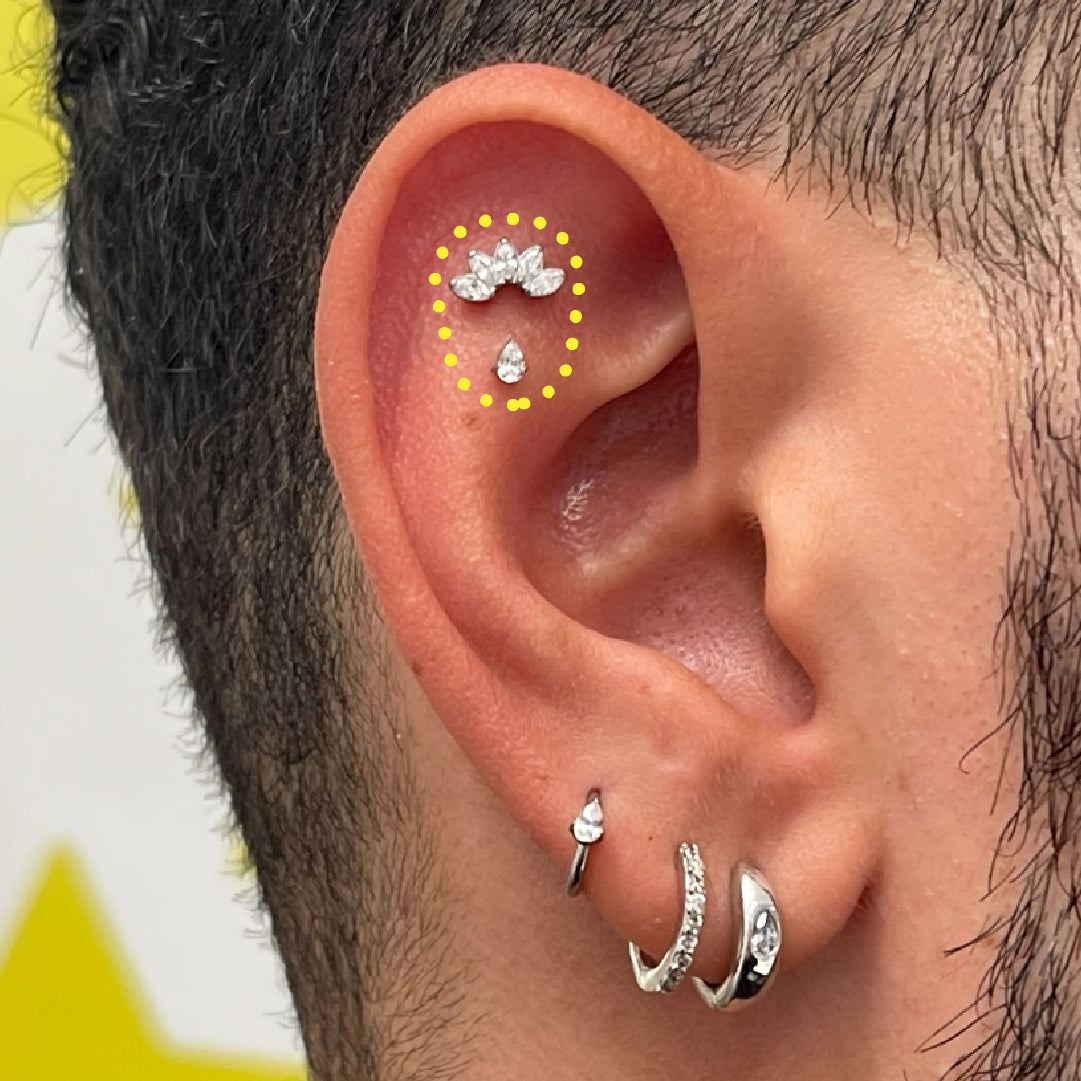
Your hands carry bacteria that can cause infections. Avoid twisting, turning, or playing with your new jewelry. If you must clean it, wash your hands thoroughly first. Let the body do the work of healing without interference. Touching the site unnecessarily is the most common cause of prolonged healing times.
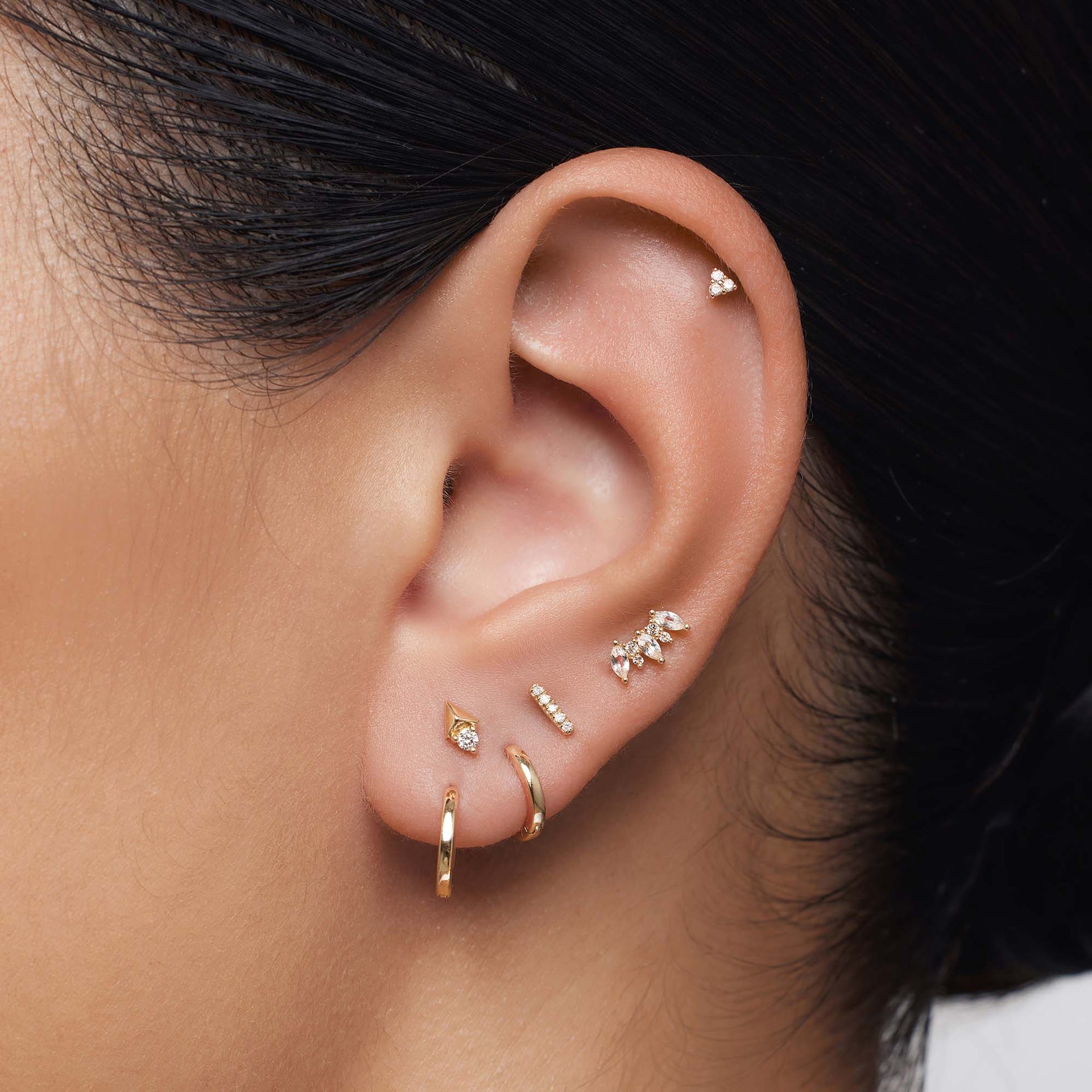
Invest in high-quality, sterile saline sprays designed specifically for body piercings. Avoid homemade salt mixtures if you can't measure the ratio precisely, as incorrect concentrations can irritate the wound. Look for products with no additives or preservatives to ensure your piercing stays clean and safe.
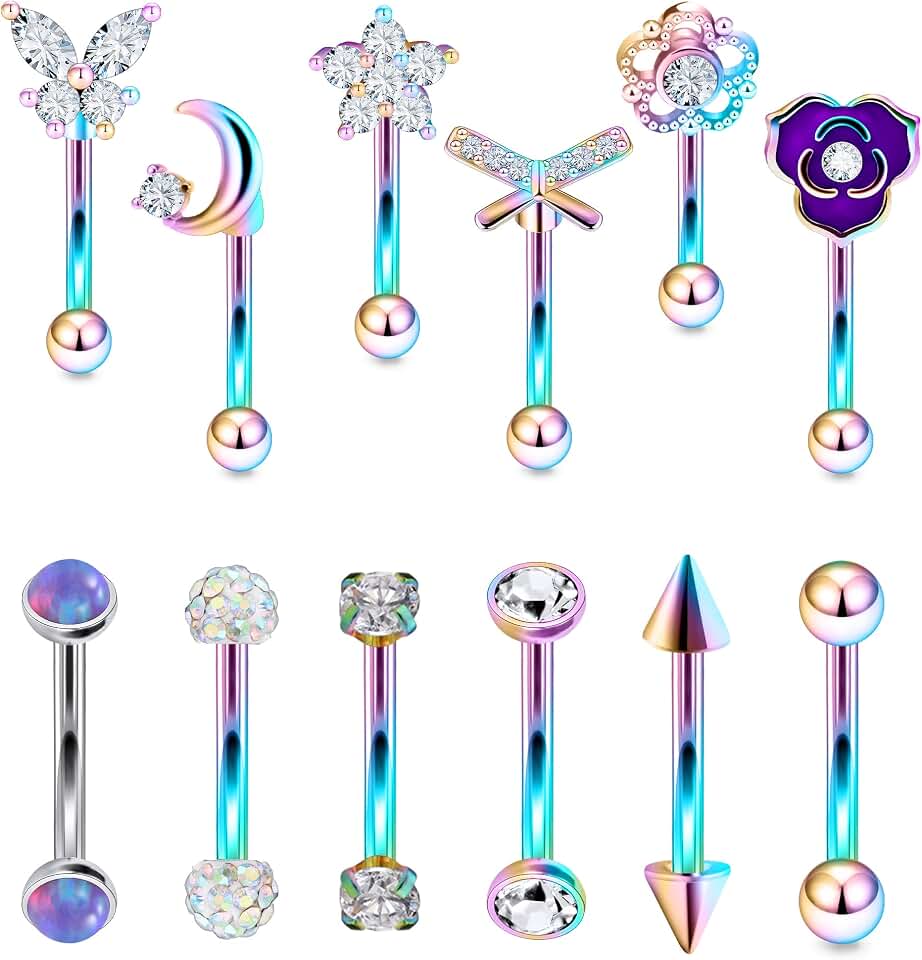

As an Amazon Associate, we may earn from qualifying purchases.
By following these steps, you protect your investment in both the piercing and the jewelry. Consistency is key to a smooth healing process and a beautiful final result.
Understanding Piercing Costs and Care
Daith and smiley piercings are more than just a trend; they are a commitment to your body. Before you book that appointment, it helps to understand what goes into the price tag. You aren’t just paying for the needle; you are paying for the expertise required to navigate sensitive cartilage or the delicate tissue under your lip.
Professional Fees and Jewelry
A professional piercing fee typically ranges from $40 to $80, depending on the studio’s location and reputation. This covers the sterile setup, the artist’s skill, and the initial jewelry. However, the jewelry itself is a separate variable. High-quality titanium or 14k gold implants cost more upfront but significantly reduce the risk of rejection and infection.
Aftercare Essentials
Proper care is non-negotiable for both daith and smiley piercings. You will need a sterile saline solution for cleaning—avoid alcohol or hydrogen peroxide, which can dry out the tissue. For a daith piercing, this means being gentle with headphones and hats. For a smiley, it means avoiding spicy foods and excessive mouth movement during the first few weeks.
Investing in Quality
Cutting corners on jewelry or aftercare products often leads to complications that cost more to fix than the initial piercing. Investing in a reputable studio and high-quality jewelry ensures a smoother healing process. The initial cost is an investment in your health and the longevity of your new accessory.
Frequently asked: what to check next
What are piercing pals?
Piercing pals are matched jewelry sets designed to sit together harmoniously. They often feature tiny, intentional details like genuine gemstone charms that complement the anatomical curve of the daith or the lip line of a smiley piercing. This style focuses on "ear curation" or lip layering, allowing you to build a personalized aesthetic rather than wearing isolated studs.
Can I change the jewelry myself?
While you can change jewelry after the piercing has fully healed (usually 6–12 months for daith and 8–10 weeks for smiley), it is best done by a professional. Shops like Studs or Arcadia Professional Body Piercing use needles for initial placements and can safely swap your jewelry to ensure proper fit and hygiene. Attempting to change tight or healing piercings yourself can lead to irritation or rejection.
How do I clean daith and smiley piercings?
Consistent aftercare is critical for these tricky spots. Rinse with sterile saline solution twice daily and avoid twisting the jewelry. For smiley piercings, avoid alcohol-based mouthwashes and spicy foods during the initial healing phase. Daith piercings, being cartilage, take longer to heal and are prone to swelling; keep the area dry and avoid sleeping on that side.
What jewelry materials are safest?
Stick to implant-grade materials like 14k solid gold, titanium, or niobium. These are hypoallergenic and less likely to cause reactions in sensitive cartilage or oral tissue. Avoid mystery metals or cheap alloys, which can tarnish and introduce bacteria into the piercing channel. Always verify the material with your piercer before purchasing trendy pieces online.
Where can I find professional piercing services?
For safe, professional piercings, look for studios that use single-use needles rather than guns. Reputable shops in areas like Boston and Cambridge, such as Arcadia Body Piercing or Lucky's Piercing Studio, prioritize hygiene and client comfort. They can also advise on the best jewelry styles for your specific anatomy to ensure your coordinated look sits correctly.
No comments yet. Be the first to share your thoughts!