

Helix vs. daith vs. smiley: weighing the choices that change the plan
Choosing between a helix, daith, or smiley piercing often comes down to balancing aesthetics with practicality. While the helix offers the most versatility in jewelry placement, the daith carries unique healing considerations, and the smiley provides a subtle, hidden detail that requires specific lip anatomy. To decide which cartilage or lip piercing aligns with your lifestyle, we compare the three based on pain, healing time, and visibility.
| Feature | Helix | Daith | Smiley |
|---|---|---|---|
| Placement | Upper outer ear cartilage | Inner ear cartilage fold | Upper lip frenulum |
| Pain Level | Moderate | High | Moderate to High |
| Healing Time | 6–9 months | 6–12 months | 6–8 weeks |
| Visibility | High | Hidden/Partial | Hidden (smile only) |
| Jewelry Options | Very High | Low | Low |
The helix is the most forgiving option for first-timers due to its straightforward anatomy and abundant jewelry choices. However, because it sits on the outer rim, it is prone to snagging on hair, headphones, or clothing, which can prolong irritation. The daith, located in a tight inner cartilage fold, is notoriously difficult to pierce and heal. Many choose it for alleged migraine relief, though clinical evidence remains mixed; practically, it requires strict aftercare to avoid swelling that blocks cleaning. The smiley is the fastest to heal but demands a specific lip structure. If your upper lip frenulum is too thick or short, the jewelry may migrate or cause gum erosion, making it less suitable for everyone.
When evaluating these tradeoffs, consider your daily routine. If you wear tight headgear or have sensitive skin, the hidden nature of the smiley or daith might be preferable to the exposed helix. Conversely, if you want a visible statement piece with minimal healing downtime, the smiley offers a quick turnaround, provided your anatomy supports it. The helix remains the best all-rounder for long-term style flexibility, while the daith suits those seeking a permanent, low-visibility commitment.
Where each option wins
Choosing between Helix, Daith, and Smiley piercings comes down to your anatomy, pain tolerance, and aesthetic goals. None is universally "best," but each serves a distinct purpose depending on your ear structure and lifestyle.
Helix: The versatile standard
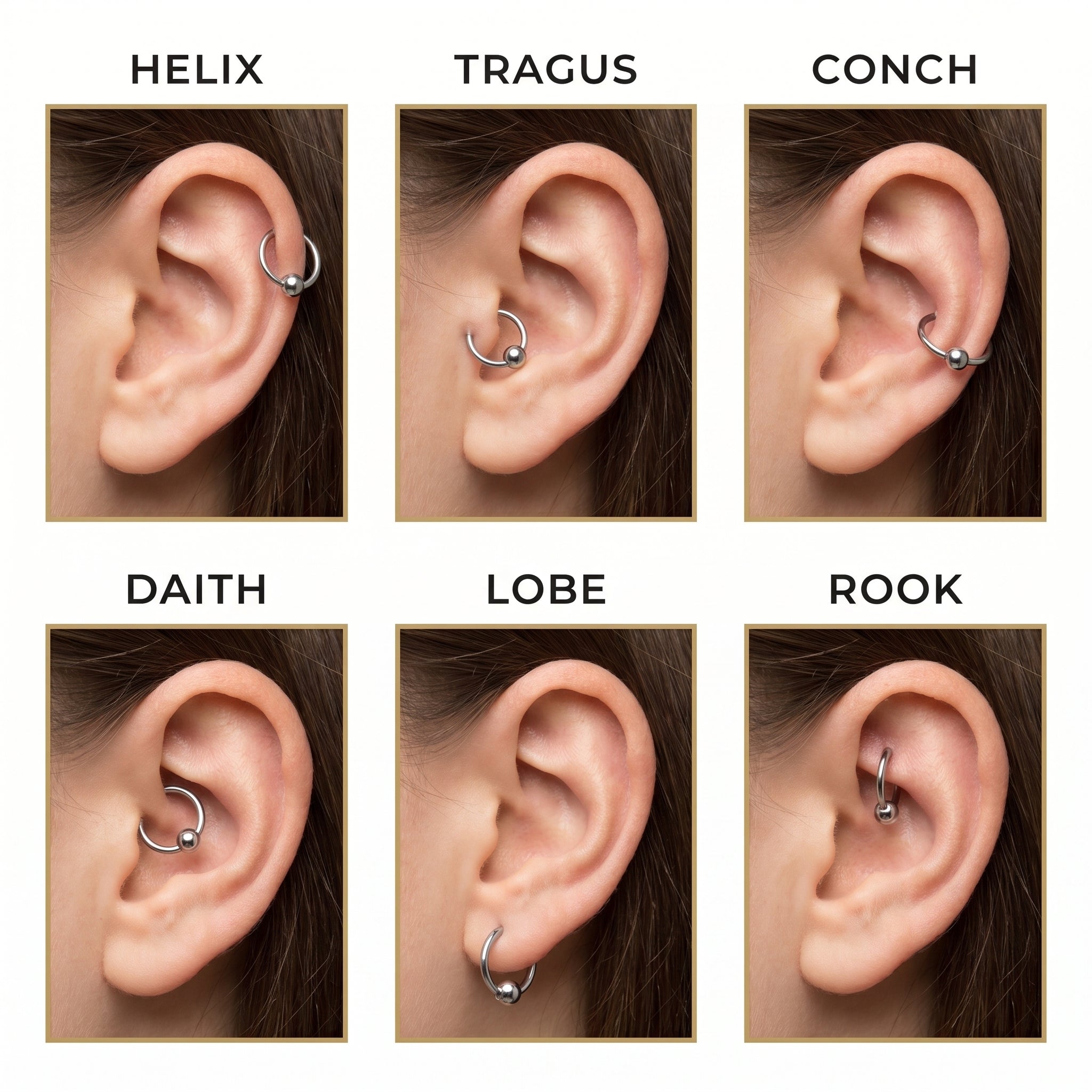
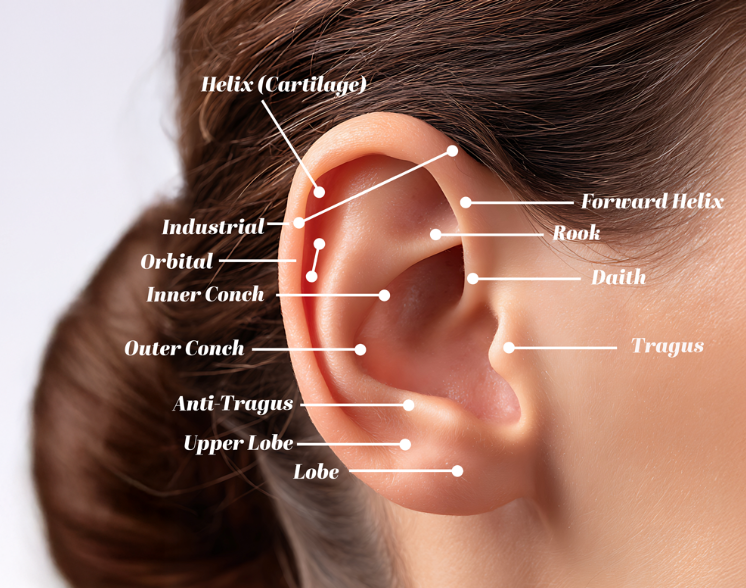
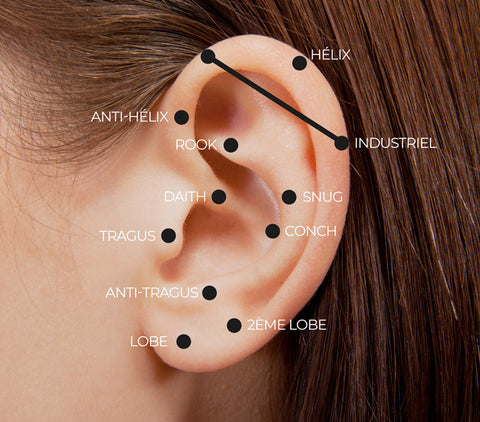
The Helix pierces the upper outer rim of the ear. It is the most flexible option because it accommodates almost any ear shape. You can stack multiple Helix piercings or pair them with lobe jewelry for a curated look. Healing is moderate—typically three to nine months—and it is easy to hide with hair or headphones. It is the safest bet for first-timers who want a visible but low-maintenance cartilage piercing.
Daith: The hidden statement
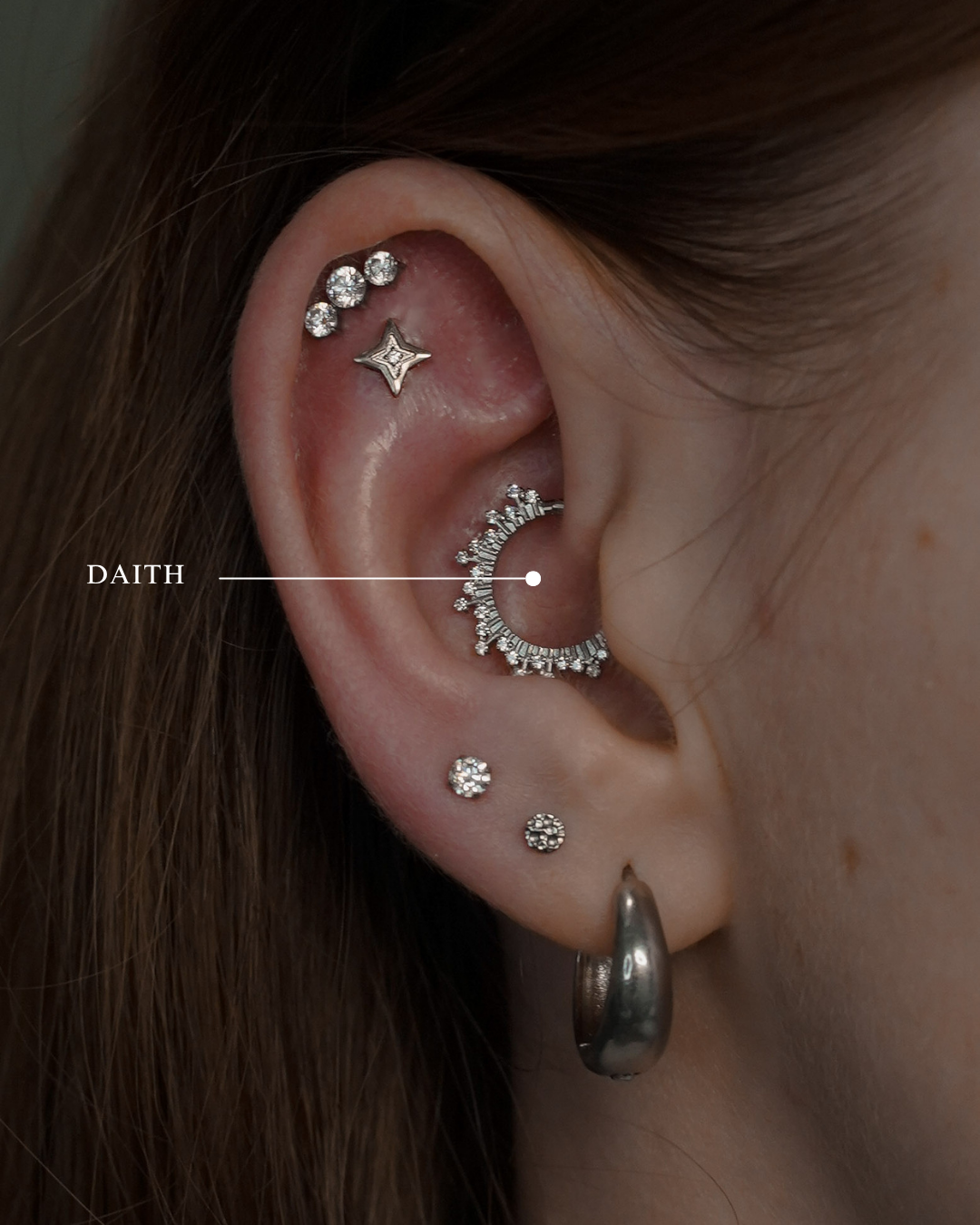
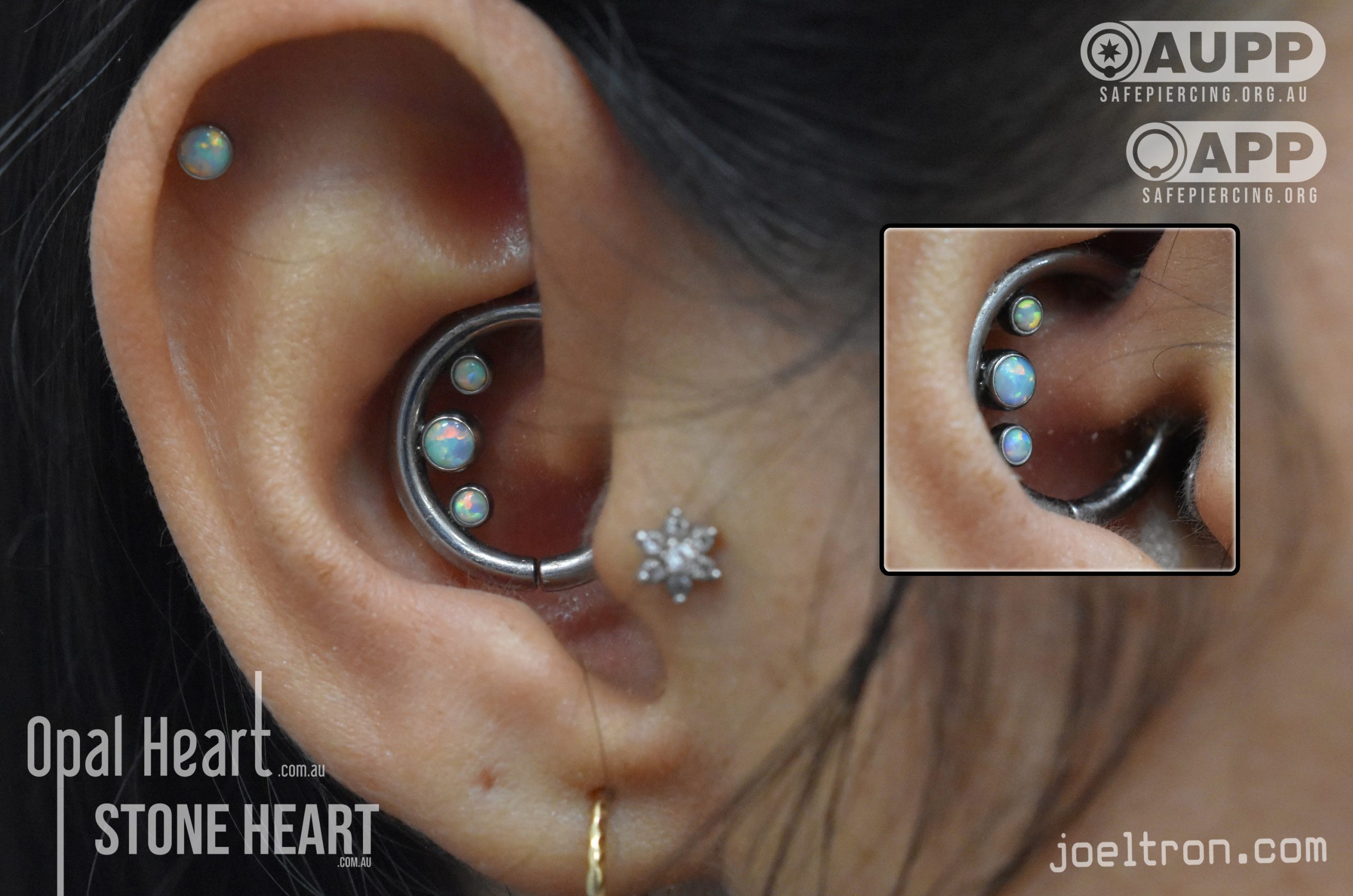
The Daith pierces the innermost cartilage fold (the crus of the helix). It is popular for those seeking a subtle, hidden aesthetic or those exploring potential migraine relief, though scientific evidence for pain relief remains anecdotal. Healing is longer—nine to twelve months—and requires careful cleaning due to its location. It is ideal for people who prefer jewelry that is only visible when they brush their hair back or wear specific earring styles. Note that not everyone has a prominent Daith fold; an experienced piercer must assess your anatomy first.
Smiley: The bold choice
The Smiley pierces the frenulum under the upper lip. It is a niche, high-visibility option that draws immediate attention. Healing is quick—four to eight weeks—because the tissue is thin and vascular. However, it requires strict oral hygiene to avoid gum or tooth damage. It is best suited for individuals with a short upper lip frenulum and a high pain tolerance for initial placement. It is not recommended for those who frequently engage in contact sports or oral intimacy during the healing phase.


As an Amazon Associate, we may earn from qualifying purchases.
Details Worth Checking
Before committing to a helix, daith, or smiley piercing, verify the specifics that affect your safety and comfort. Each location has unique anatomical requirements and aftercare protocols that vary by studio. Skipping these checks can lead to rejection, migration, or prolonged healing times.
A professional piercer must assess your ear structure or lip shape. Daith piercings require a distinct cartilage ridge, while smileys need enough lip tissue to avoid gum damage. Not everyone is a candidate for every placement, regardless of style preferences.
Ensure the studio uses an autoclave for sterilization and single-use needles. Ask to see their biohazard waste disposal system. Reputable studios will openly display their licensing and health department ratings.
Initial jewelry should be implant-grade titanium, niobium, or 14k+ gold. Avoid surgical steel or mystery metals. The gauge must be appropriate for the location; for example, daith piercings typically require 16g or 14g, while smileys often use 16g or 18g.
Healing varies significantly: helix takes 6-9 months, daith 6-12 months, and smiley 6-8 weeks. Plan around activities that might irritate the area, such as swimming, contact sports, or using certain headphones.
Disclose any medical conditions, such as keloid scarring tendencies, blood clotting disorders, or autoimmune issues. Some studios may refuse service based on health risks or lack of proper aftercare support.
Piercing pals: what to check next
These practical questions often come up when weighing cartilage and lip options. They cover industry standards, anatomy-specific terms, and the real-world costs of getting pierced.
No comments yet. Be the first to share your thoughts!