
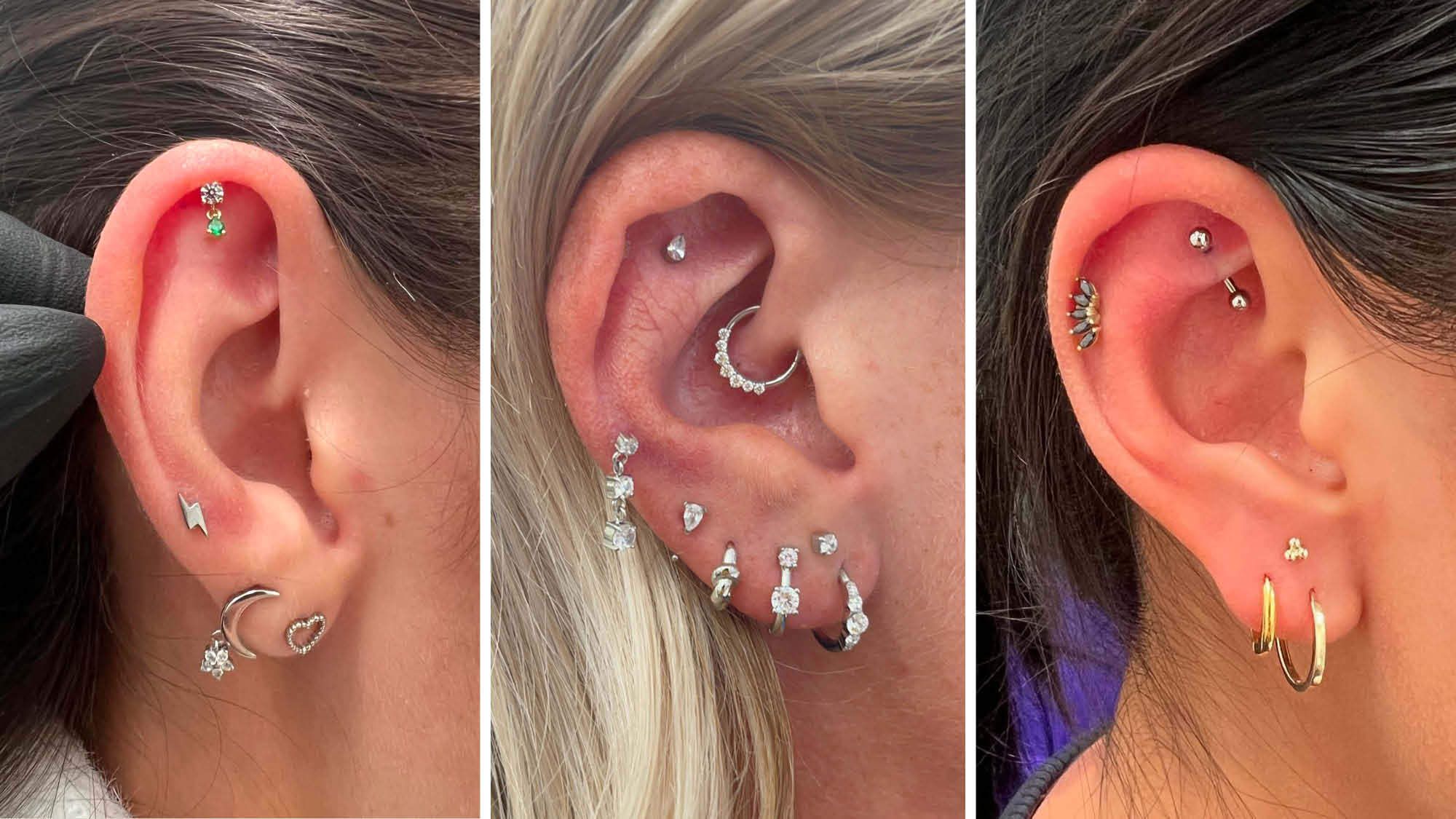

What Piercing Pals Means for You
Piercing Pals works best as a clear sequence: define the constraint, compare the realistic options, test the tradeoff, and choose the path with the fewest hidden costs. That order keeps the advice usable instead of decorative. After each step, pause long enough to check whether the recommendation still fits the reader's actual situation. If it depends on perfect timing, unusual access, or a best-case budget, include a simpler fallback.
The simplest way to use this section is to write down the real constraint first, compare each option against it, and choose the path that still works outside ideal conditions.
Choosing the Right Daith Jewelry
The daith piercing sits in the innermost fold of your ear, making the choice of jewelry shape and material critical for both comfort and healing. Because this area is prone to swelling and movement, your initial jewelry serves as a scaffold for the fistula. Picking the wrong shape or material can lead to migration, embedding, or prolonged irritation.
Material Safety First
Your first priority is biocompatibility. During the healing phase, which can take six to twelve months, your body is essentially building a new tube of skin around the metal. Implant-grade titanium (ASTM F136) is the gold standard because it is hypoallergenic, lightweight, and corrosion-resistant. Avoid surgical steel, nickel, or mystery metals from non-specialized sources. Even "gold" jewelry can be problematic unless it is solid 14k or 18k gold with no plating, as plating chips and exposes the skin to base metals.
Circular Barbell vs. Captive Bead Ring
The two most common shapes for daith piercings are circular barbells and captive bead rings (CBRs).
- Circular Barbells: These offer more stability. The threaded ends keep the jewelry secure, reducing the chance of it popping open during sleep or showering. They are generally preferred by professional piercers for initial daith piercings because they minimize rotation and irritation.
- Captive Bead Rings: These are continuous circles held by a small bead. While aesthetically popular, they rotate more freely, which can introduce bacteria into the healing wound. If you choose a CBR, ensure the bead snaps on tightly and is not too heavy.
Recommended Healing Jewelry
When selecting your starter piece, look for specific features: a curved barbell or CBR made of 14g or 16g implant-grade titanium, with a diameter that allows for swelling without touching the cartilage walls. Avoid jewelry with intricate textures or gemstones that can trap debris.


As an Amazon Associate, we may earn from qualifying purchases.
Selecting Smiley Piercing Jewelry
Piercing Pals works best as a clear sequence: define the constraint, compare the realistic options, test the tradeoff, and choose the path with the fewest hidden costs. That order keeps the advice usable instead of decorative. After each step, pause long enough to check whether the recommendation still fits the reader's actual situation. If it depends on perfect timing, unusual access, or a best-case budget, include a simpler fallback.
| Factor | What to check | Why it matters |
|---|---|---|
| Fit | Match the option to the primary use case. | A good deal still fails if it does not fit the job. |
| Condition | Verify age, wear, and service history. | Hidden condition issues erase upfront savings. |
| Cost | Compare purchase price with likely upkeep. | The cheapest option is not always the lowest-cost option. |
Healing daith and smiley piercings: timelines and care
Healing a daith or smiley piercing is a test of patience more than skill. These aren't standard lobe piercings; they involve cartilage or delicate mucous membranes that react slowly to trauma. The most common mistake new piercers make is treating a smiley like a lip ring or a daith like a helix. Each has a distinct biological timeline and care routine that you must respect to avoid rejection or migration.
The daith pierces the innermost cartilage fold. Because cartilage has limited blood flow, it heals from the outside in, a process that takes significantly longer than surface piercings. The smiley pierces the frenulum under the tongue. While this tissue is vascular and heals faster than cartilage, the constant movement of the tongue and exposure to oral bacteria creates a unique set of risks. Confusing these two routines is the fastest way to cause irritation bumps or prolonged swelling.
Daith aftercare: patience pays off
A daith piercing typically takes 6 to 12 months to fully heal, though some people experience tenderness for up to a year. During this time, the jewelry must remain undisturbed. Avoid sleeping on the side of the piercing, as pressure can cause the jewelry to migrate or create a hypertrophic scar. Cleaning should be done twice daily with a sterile saline solution. Do not use alcohol or hydrogen peroxide, as these dry out the cartilage and delay the formation of new tissue.
Because the daith is hidden inside the ear, it is easy to forget about it until you accidentally brush your hair or put on headphones. Use over-ear headphones rather than in-ear buds during the healing phase. If you notice crusting, do not pick at it. Let the saline soak soften the discharge, then gently wipe it away with a clean paper towel. Consistency is the only shortcut here.
Smiley aftercare: mouth care matters
Smiley piercings heal faster, usually within 4 to 8 weeks, but they require strict oral hygiene. The primary risk is infection from oral bacteria and irritation from food. For the first week, stick to soft, cool foods and avoid spicy or acidic items that can burn the fresh wound. Rinse your mouth with an alcohol-free antimicrobial mouthwash or saline solution after every meal and before bed.
The jewelry in a smiley is subject to constant movement from talking and eating. Avoid playing with the jewelry or pulling on it to "check" it. This mechanical irritation is the leading cause of swelling that never seems to go down. If you smoke or vape, try to abstain during the first two weeks, as the heat and chemicals can irritate the frenulum and introduce bacteria. Keep your teeth and gums clean to prevent plaque buildup around the jewelry, which can lead to gum recession over time.
Jewelry selection for healing
The right jewelry is non-negotiable for both piercing types. For a daith, a high-quality titanium or niobium captive bead ring or curved barbell is essential. Avoid surgical steel, which can contain nickel and cause allergic reactions in sensitive cartilage. For a smiley, a small, smooth titanium ring or a flat-back labret is best. The jewelry must be long enough to accommodate initial swelling but not so long that it catches on teeth or food.

As an Amazon Associate, we may earn from qualifying purchases.
Common healing myths to avoid
Many online guides suggest twisting the jewelry to "clean" it. This is false. Twisting introduces bacteria from the skin surface into the wound and disrupts the healing tissue. Another myth is that saline soaks should be prolonged. Soak for only 5-10 minutes; leaving the area wet for hours can macerate the skin and prevent proper air circulation. If your piercing becomes hot, red, or produces yellow/green pus, see your piercer or a doctor immediately. These are signs of infection, not normal healing.
Finding a Reputable Piercing Studio
Choosing the right studio is the most important step in your piercing journey, especially for tricky placements like the daith or smiley. The Piercing Pals community consistently recommends starting with studios that specialize in cartilage and oral piercings rather than general body modification shops. Look for professionals who use autoclave sterilization and single-use needles, as these are non-negotiable standards for safe healing.
When vetting a piercer, review their portfolio for clean lines and proper placement symmetry. Daith piercings require precise angle assessment to avoid migration, while smiley piercings demand an understanding of frenulum anatomy to prevent tissue damage. A reputable artist will discuss jewelry materials upfront, typically recommending implant-grade titanium or 14k gold for initial healing to minimize allergic reactions.
Don't hesitate to ask about aftercare protocols during your consultation. Studios that provide detailed, written aftercare instructions and offer follow-up checks are usually more invested in long-term client safety. If a piercer dismisses your questions or pressures you into immediate jewelry upgrades, consider that a red flag. Trust your instincts and prioritize studios with transparent practices over those with the flashiest storefronts.
Common daith and smiley: what to check next
Choosing the right jewelry for a daith or smiley piercing involves more than just style; it requires understanding how each piercing behaves differently during the healing process. Because the daith sits in the thick cartilage of the ear and the smiley pierces the delicate frenulum of the upper lip, their care routines and pain profiles are distinct. Below, we address the most common concerns regarding pain, cost, and healing complications to help you make an informed decision.
No comments yet. Be the first to share your thoughts!