

Piercing Pals Budget
A piercing is rarely a one-time purchase. The sticker price for the procedure is just the entry fee; the real cost comes from the jewelry itself and the long-term care required to keep the site healthy. For the septum, helix, and daith styles trending on social media, the tradeoff between upfront cost and long-term comfort is significant. Choosing cheaper, low-quality materials often leads to irritation, migration, or the need for expensive remedial work down the line.
Septum: The Flip-Up Flex
The septum is unique because it can be hidden or shown at will. This versatility drives demand for "retainers"—discreet, clear, or flesh-toned pieces made from implant-grade titanium or glass. While a standard clicker might cost $30–$50, a high-quality retainer often runs $40–$70. The budget fit here is about durability; cheap acrylic retainers can warp or harbor bacteria, so investing in a biocompatible material is the smartest move for daily wear.
Helix: Cartilage Complexity
Helix piercings go through cartilage, which has poorer blood flow and heals slower than the lobe. This means the jewelry must be precise. A standard flat-back labret in 14g or 16g titanium typically costs $20–$40 for the initial piercing package. However, if you want the stacked, curated look popular on TikTok, each additional stud adds $15–$25. Budgeting for two or three well-placed studs is more cost-effective than buying a single, overly ornate piece that might irritate the healing channel.
Daith: The Hidden Investment
The daith pierces the innermost fold of cartilage and is often sought for its potential migraine relief, though scientific evidence is mixed. Because of its difficult placement, professional piercing fees are higher, often ranging from $60 to $90. Jewelry costs are also elevated due to the need for custom curves. A high-quality daith ring in implant-grade titanium can cost $50–$80 alone. This is the most expensive of the three in terms of initial outlay, but the longevity of the piercing means the cost per year of wear is reasonable.
The Hidden Costs: Aftercare and Upgrades
Never underestimate the cost of aftercare. Saline sprays, sterile wipes, and proper cleaning solutions add $10–$20 per month during the healing phase (6–12 months for cartilage). Additionally, you will likely need to "downsize" your jewelry once swelling subsides. Skipping this step can cause embedding and infection. Always budget for this second appointment, which typically costs $10–$20 for the jewelry swap plus a small service fee.


As an Amazon Associate, we may earn from qualifying purchases.
Shortlist real options
Use this section to make the The Piercing Trend Report decision easier to compare in real life, not just on paper. Start with the reader's actual constraint, then separate must-have requirements from details that are merely nice to have. A practical choice should survive normal use, maintenance, timing, and budget. If a recommendation only works in an ideal situation, call that out plainly and give the reader a fallback path.
| Factor | What to check | Why it matters |
|---|---|---|
| Fit | Match the option to the primary use case. | A good deal still fails if it does not fit the job. |
| Condition | Verify age, wear, and service history. | Hidden condition issues erase upfront savings. |
| Cost | Compare purchase price with likely upkeep. | The cheapest option is not always the lowest-cost option. |
Inspect the expensive parts
A piercing is a permanent alteration of your body, but the jewelry you choose is what determines whether it heals cleanly or becomes a recurring expense. Cheap materials often look fine on day one but fail during the months-long healing process. When an infection sets in or the metal corrodes, you are left paying for removal, aftercare, and a new piercing procedure.
Think of jewelry inspection like checking the brakes on a used car. You need to verify the core components before committing to the long-term cost. Focus your attention on the metal quality, the clasp mechanism, and the surface finish. These three areas account for the vast majority of expensive failures.
We have broken down the inspection process into specific checks. Follow these steps to ensure your septum, helix, or daith jewelry is safe, comfortable, and built to last.
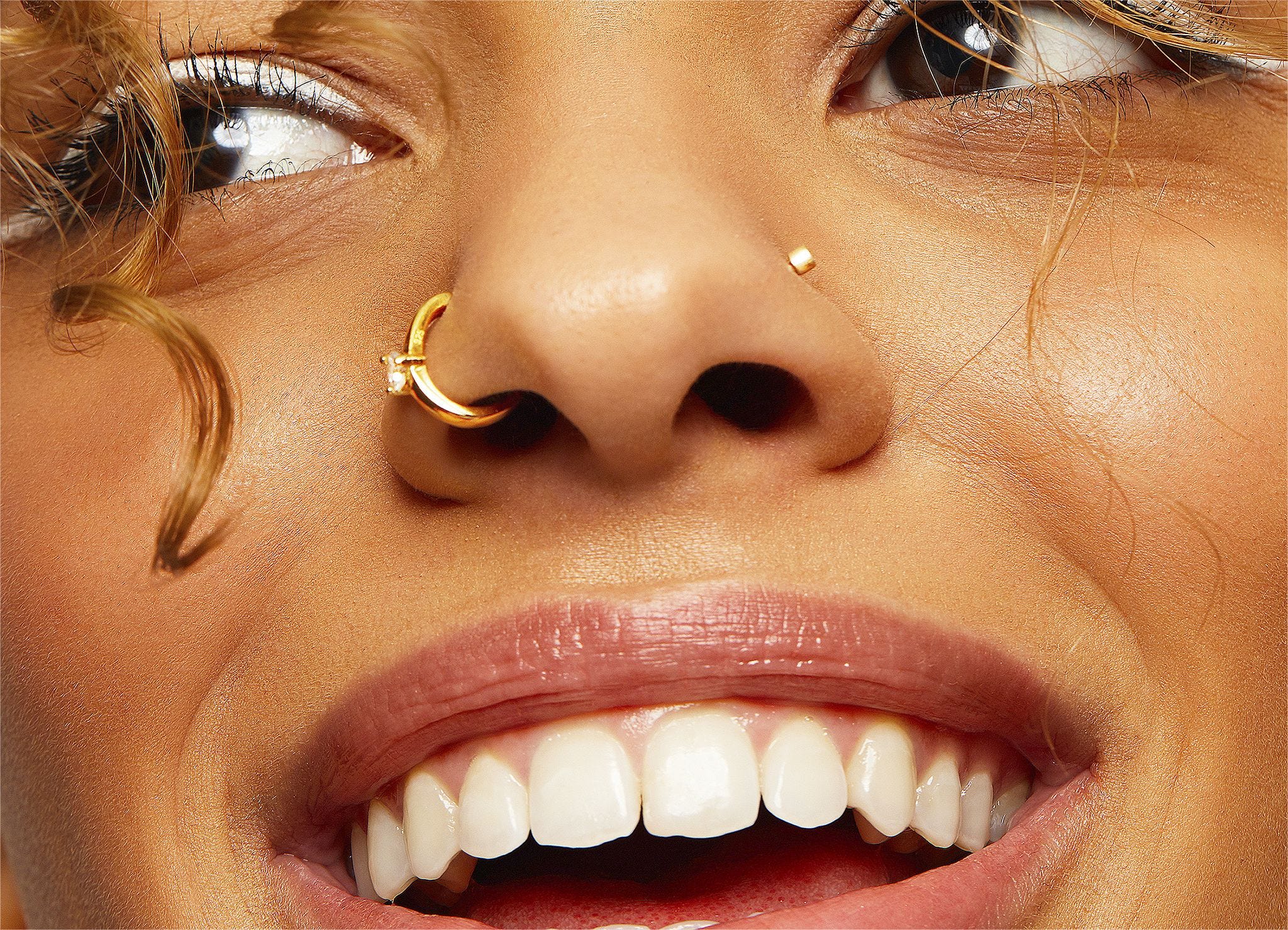
This is the most critical check. Implant-grade titanium (ASTM F136) or 14k+ solid gold are the only safe options for fresh piercings. Avoid "surgical steel" unless it is explicitly labeled as implant-grade, as many cheaper steels contain nickel that causes allergic reactions. Look for the ASTM or ISO stamp on the back of the piece. If the jewelry is plated, the plating will wear off, exposing the base metal to your open wound.
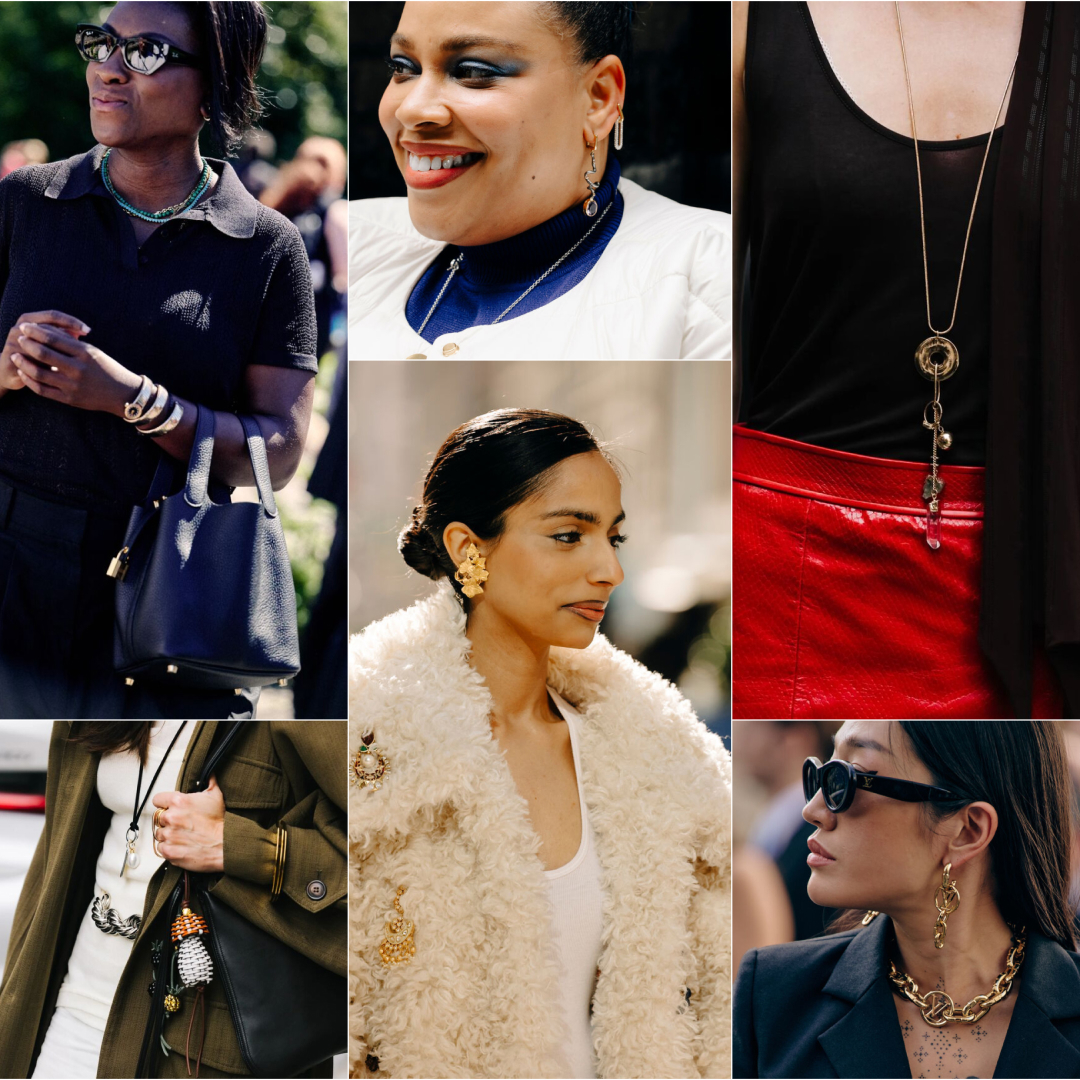
A loose clasp is a ticking time bomb. For septums and daiths, a clicker or circular barbell must snap shut with firm resistance. If you can wiggle the closure open with your fingers, it will likely fall out while you sleep or shower. For helix cuffs and hoops, ensure the hinge is tight and does not gap. A falling piece means a ruined earring and a potential trip to the ER for re-piercing.
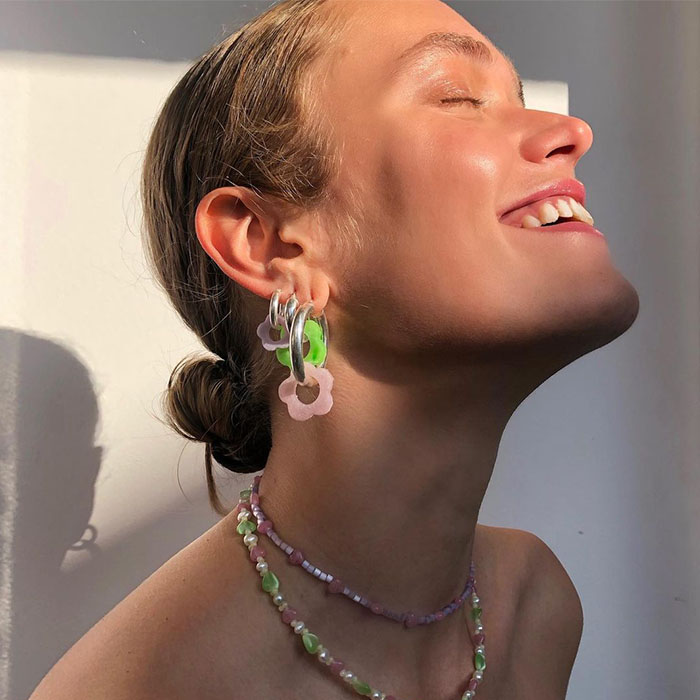
Run a fingernail gently along the inside curve of the jewelry. It should feel like glass. Any roughness, burrs, or tool marks will snag on healing tissue, causing micro-tears and delaying healing. This is especially important for helix and daith piercings, which are more prone to irritation bumps due to their location. If the surface is rough, the jewelry will never heal properly, no matter how good your aftercare is.
Plan for ownership costs
A piercing is not a one-time purchase; it is a recurring expense. The initial fee covers the artist’s skill and sterile equipment, but the jewelry itself often requires replacement as styles change or materials degrade. Understanding these long-term costs helps you avoid the "cheap buy" trap where low upfront prices lead to higher maintenance bills.
Material degradation and replacement
Entry-level jewelry made from low-grade steel or cheap alloys can cause irritation and discoloration. Over time, this leads to skin reactions that require switching to implant-grade titanium or 14k gold. While gold is more expensive initially, it is inert and rarely needs replacement, making it cheaper over five years than replacing cheap jewelry every few months.
Cleaning supplies and professional touch-ups
You will need a dedicated saline solution and mild soap for the first six to twelve weeks. Beyond that, occasional deep cleaning or professional jewelry checks may be necessary, especially for cartilage piercings like helix or daith which are prone to migration. Budget for these small, regular expenses to prevent costly infections or removal fees.
When cheap stops being cheap
A $20 piercing kit might seem like a bargain, but if the jewelry irritates your skin, you will spend more on aftercare products and potential medical visits. Investing in high-quality, hypoallergenic jewelry from the start reduces the risk of rejection and the need for professional resizing or replacement.


As an Amazon Associate, we may earn from qualifying purchases.
No comments yet. Be the first to share your thoughts!