

Get the piercing cost right
Before you book an appointment, understand that the sticker price is rarely the final bill. Piercing studios typically separate the service fee from the jewelry cost. If you bring your own jewelry, many reputable piercers will refuse to pierce you due to liability and safety standards. They require that you purchase initial jewelry from their inventory, which is made of implant-grade materials like titanium or niobium.
Expect the service fee for a smiley or cartilage piercing to range between $30 and $60. This covers the professional’s time, sterile setup, and expertise. The jewelry itself often costs an additional $20 to $50 for basic studs or captive bead rings. Higher-end materials like solid gold or custom designs will increase this total significantly.
Always ask for a total quote before sitting in the chair. A transparent studio will list the piercing fee and the jewelry price separately. This clarity prevents surprise charges and ensures you are paying for professional, safe service rather than just a needle poke.
Walk through the piercing cost breakdown
Understanding the final price requires looking beyond the initial consultation fee. The total cost for a smiley or cartilage piercing consists of three distinct parts: the professional service fee, the initial jewelry, and the necessary aftercare supplies. Knowing this breakdown helps you avoid surprise charges at the studio and ensures you budget for the long-term healing process, which can last several months for cartilage.
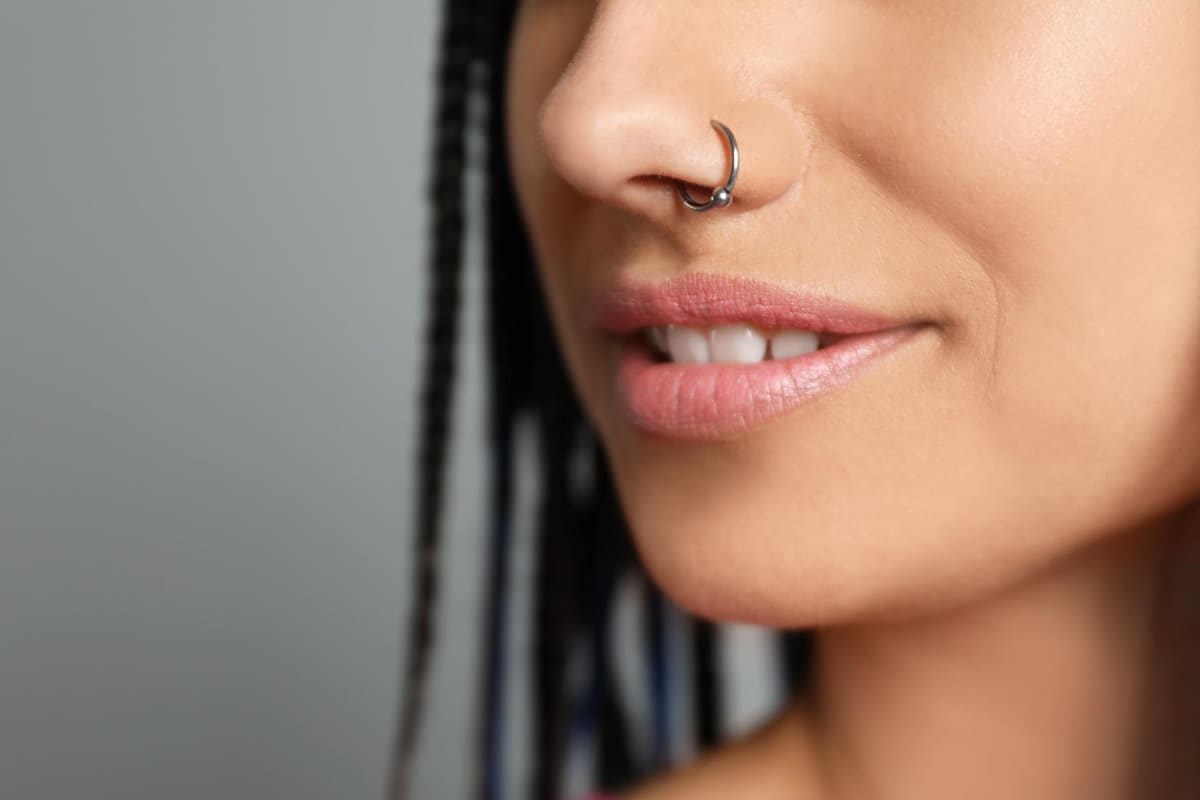
Start by checking the base price for the specific piercing type. Standard earlobe piercings are often the cheapest, but cartilage placements like the rook or helix command higher fees due to the complexity of the needle work. According to industry data, a rook piercing typically runs around $60, while more complex cartilage configurations can approach $80 or more. Always ask if this fee includes the jewelry or if it is charged separately.
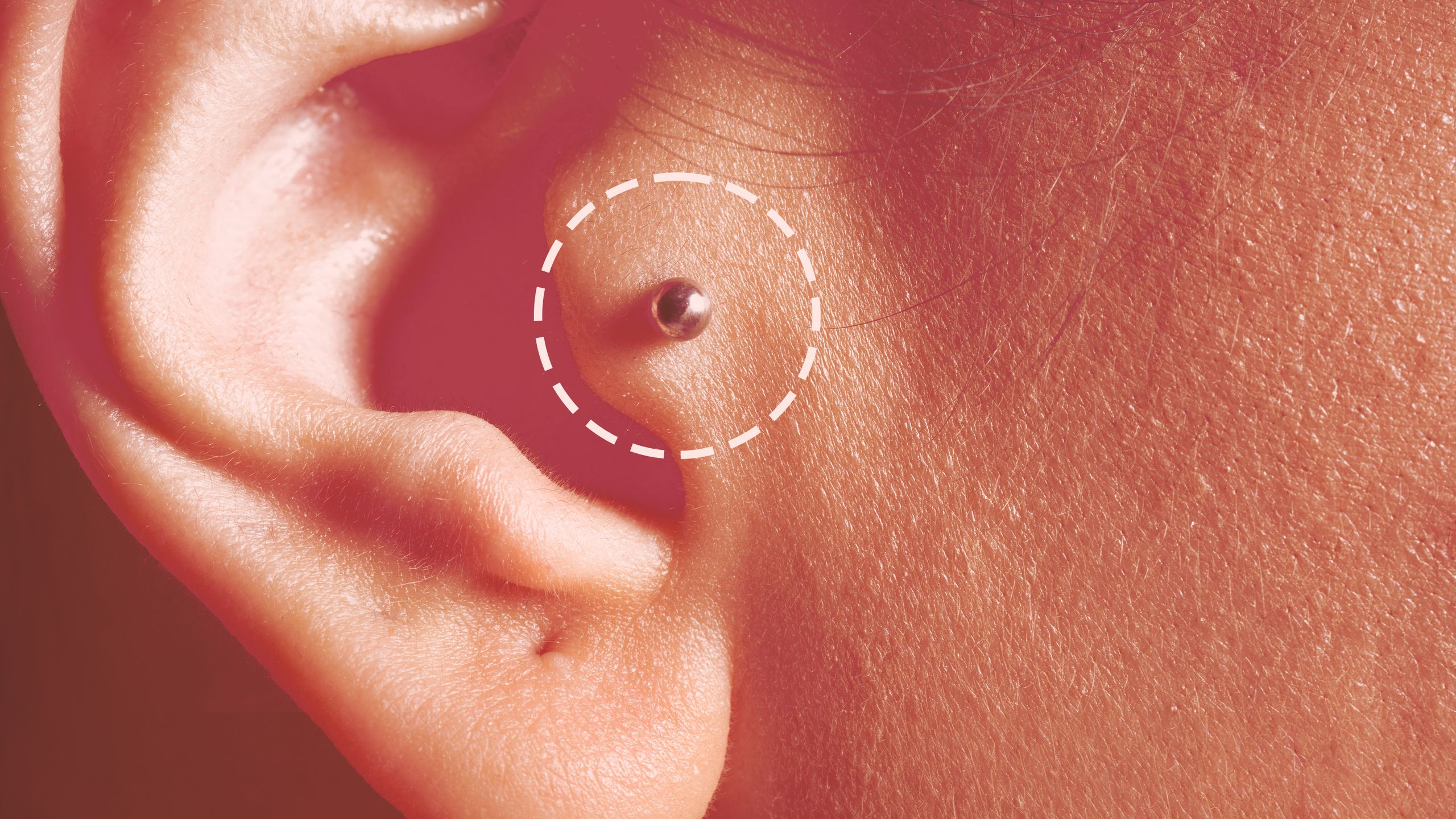
The jewelry cost is often the most variable part of the bill. Studios usually require you to purchase the initial piece directly from them to ensure it meets sterile, implant-grade standards. For a smiley piercing, you will need a small curved barbell or captive bead ring, which typically costs between $15 and $40. Cartilage piercings often use curved barbells or studs, which can range from $20 to $60 depending on the material, such as titanium or gold.
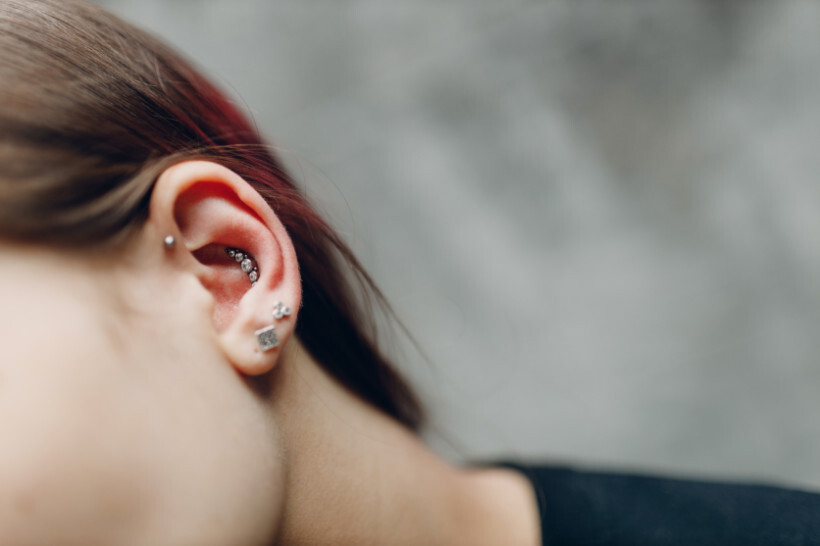
Healing your piercing requires consistent care, which adds to the initial cost. Most professionals recommend a sterile saline wound wash, which costs about $5 to $10 per bottle. You will need one bottle every few weeks for the first few months. Avoid buying expensive, branded aftercare kits; plain saline solution is all that is medically necessary for a healthy healing process.
Cartilage piercings, in particular, have a higher risk of migration or rejection during the 6-9 month healing window. If the jewelry becomes embedded or the placement shifts, you may need a professional adjustment or replacement. While many studios include one free adjustment within the first month, subsequent fixes can cost an additional $20 to $50. Factor this into your budget to avoid unexpected expenses later.
-
Verify if the service fee includes the jewelry
-
Confirm the material of the initial jewelry (implant-grade titanium is best)
-
Ask about the studio’s policy on free touch-ups
-
Calculate the total cost including 3 months of saline solution
Fix common mistakes
Most healing complications with smiley and cartilage piercings stem from avoidable errors in aftercare and jewelry choice. Treating these fresh wounds like minor scratches rather than open tissue invites infection and migration. The following corrections address the most frequent missteps reported by professional piercers.
Moving the jewelry too soon. New piercings are not stable until the fistula (the skin tube) fully forms. For smiley piercings, this takes about six to eight weeks; cartilage requires six to twelve months. Moving the jewelry during this phase tears the delicate tissue, causing swelling and delaying closure. Keep the jewelry still.
Using low-quality jewelry. Initial jewelry must be implant-grade titanium, niobium, or 14k+ gold. Surgical steel often contains nickel, which triggers allergic reactions and prolonged redness. High-quality jewelry also has a smooth, polished finish that reduces friction against the healing channel.
Applying harsh antiseptics. Hydrogen peroxide, alcohol, and antibiotic ointments kill healthy cells needed for regeneration. These substances dry out the piercing site and trap bacteria under a crust. Stick to sterile saline spray or a mild, fragrance-free soap during showers.
Sleeping on the piercing. Pressure from pillows restricts blood flow and introduces lint and bacteria to the wound. For cartilage, this can lead to hypertrophic scarring or "keloid-like" bumps. Use a travel pillow to keep your ear suspended in the hole while you sleep.
Piercing cost: what to check next
Budgeting for a smiley or cartilage piercing involves more than just the service fee. The final price depends on the complexity of the placement, the quality of the jewelry, and the studio’s overhead. Below are the most common cost-related questions to help you plan your expenses accurately.
No comments yet. Be the first to share your thoughts!