

What piercing pals actually mean
The term "Piercing Pals" often appears in social media feeds and studio branding, referring to specific content series or community groups rather than a universal industry standard. For example, Asylum Studios uses the phrase for a series featuring their piercers, Shane and Mikey, highlighting their friendship and professional work.
While the label sounds friendly, it is primarily marketing language or a community inside joke. It does not define a certification level or a vetting standard for safety. Relying on the "pals" branding alone can be misleading if you are looking for a qualified professional for your first piercing.
When searching for your first piercing, focus on the artist’s credentials and the studio’s hygiene protocols rather than catchy social media handles. Look for APP (Association of Professional Piercers) members or artists with verified portfolios of healed work. The goal is to find a skilled technician who prioritizes safety, not just a fun social media personality.
Step by step to book your piercing
Finding the right Piercing Pals means treating the booking process like a job interview, not a casual visit. You want a professional who prioritizes safety and hygiene above all else. Follow this four-step workflow to secure an appointment with a qualified artist.
1. Verify APP membership and credentials
Start by checking if the studio or piercer is a member of the Association of Professional Piercers (APP). This membership signals that the artist adheres to strict health and safety standards. Look for the APP logo on their website or social media profiles. If they are not listed, check for local health department licenses, though APP membership is the industry gold standard.
2. Review portfolios for specific placements
Don’t just look at ear piercings if you want a septum or industrial. Browse the artist’s recent work to see if they have experience with your desired placement. High-quality Piercing Pals will showcase clear, well-lit photos of healed piercings. This visual proof helps you gauge their precision and aesthetic style.
3. Ask consultation: what to check next
Before booking, call or email the studio with specific questions. Ask about the jewelry material (implant-grade titanium is best), the needle vs. gun debate, and aftercare instructions. A professional piercer will welcome these questions and provide clear, confident answers. If they seem dismissive, look elsewhere.
4. Book with a deposit
Secure your spot by paying a non-refundable deposit. This protects both you and the artist, ensuring the appointment time is reserved for you. Avoid studios that do not require deposits, as they may be less organized or more likely to cancel last minute. Confirm the final price includes the jewelry cost.
Septum and helix piercing costs
Finding the right Piercing Pals means understanding what you are actually paying for. The base price for a piercing is rarely the final bill. Jewelry quality, studio reputation, and geographic location all influence the final cost. A reputable studio charges more because they use higher-grade materials and follow stricter safety protocols.
Below is a breakdown of typical price ranges for popular piercings. These figures include the procedure and standard initial jewelry. Prices vary by region, but this table gives you a realistic baseline for budgeting.
The cost difference between a septum and a helix often comes down to the jewelry. Septum piercings frequently use circular barbells or retainers, which can be more expensive than the studs or hoops used for helix piercings. However, a complex helix piercing in a difficult spot might require a longer needle and more time, slightly increasing the labor cost.
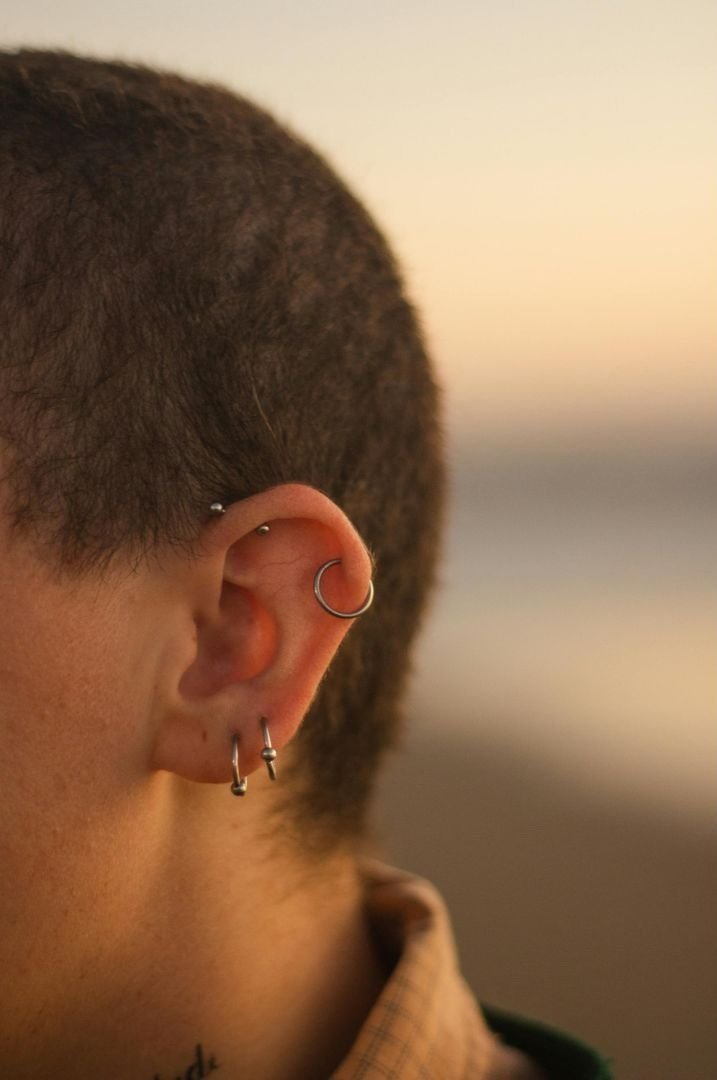
When comparing Piercing Pals, look beyond the headline price. A cheaper piercing might use surgical steel that causes irritation, while a higher price includes implant-grade titanium. Always ask what is included in the base fee. Some studios charge extra for aftercare kits or specific jewelry upgrades. Knowing this upfront helps you avoid surprise fees on your first visit.
Daith and smiley piercing details
Daith and smiley piercings are distinct from standard earlobes because they involve navigating thick cartilage or the delicate frenulum under the tongue. Finding the right Piercing Pals for these specific spots requires more than just general interest; it demands a professional who understands the unique anatomy and healing timelines involved.
A daith piercing passes through the innermost cartilage fold of the ear. This area is notoriously prone to swelling and can take six to twelve months to fully heal. If your Piercing Pals are not experienced with cartilage work, the risk of migration or rejection increases significantly. Look for a piercer who uses a hollow needle rather than a gun, as guns cannot sterilize properly and cause blunt trauma to the cartilage.
Smiley piercings sit under the tongue, piercing the thin membrane connecting the tongue to the floor of the mouth. While they seem simple, the mouth is a bacteria-rich environment. Healing typically takes four to eight weeks, but swelling can be immediate and intense. Your Piercing Pals must use a long, sterile needle to ensure the jewelry sits correctly without irritating the teeth or gums.
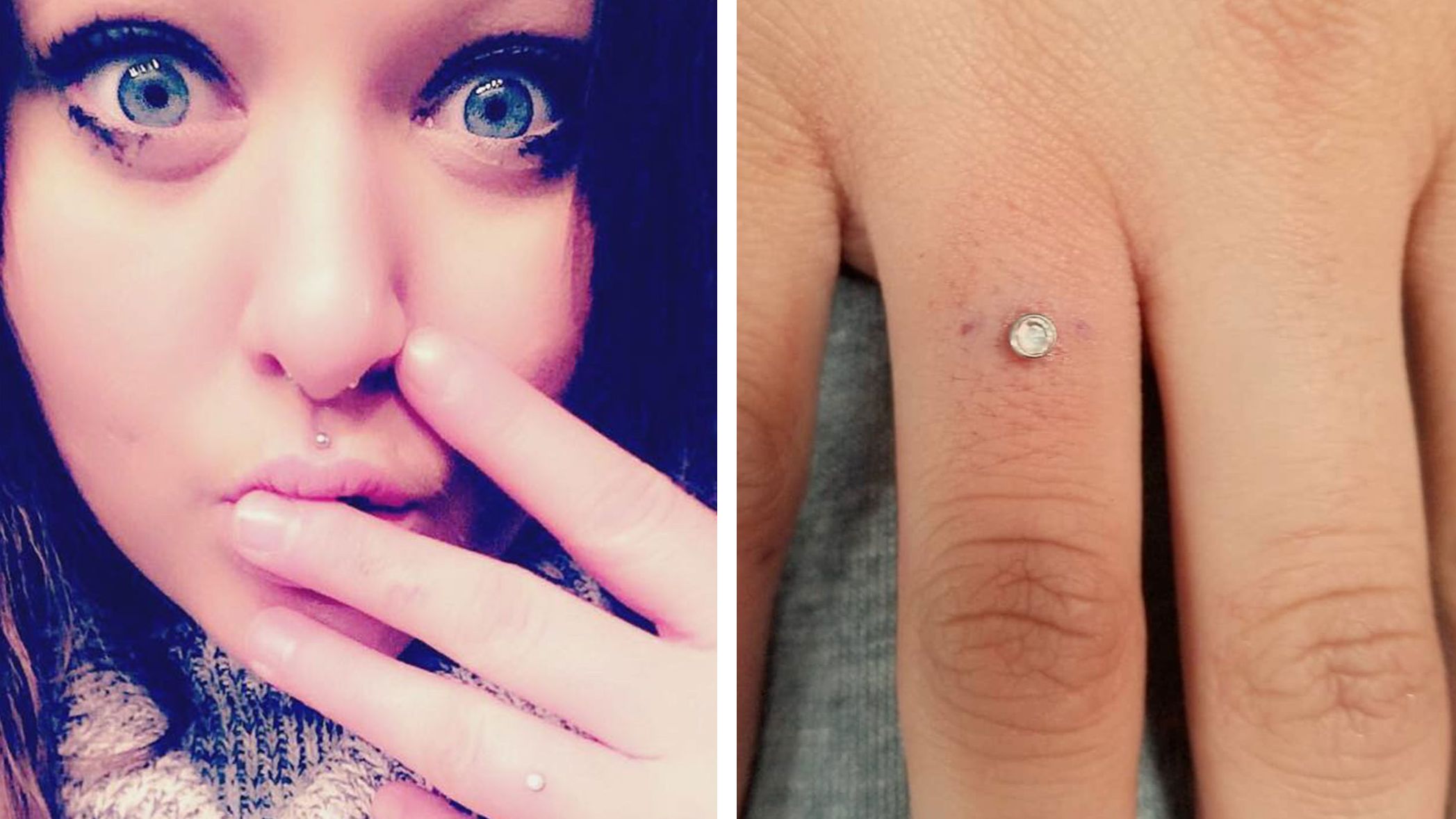
Costs for these specialized piercings are generally higher than standard earlobe piercings. This reflects the time required for precise placement and the higher quality jewelry needed, such as implant-grade titanium or niobium, which resists corrosion in the mouth or cartilage. When vetting your Piercing Pals, ask about their aftercare protocol for these specific sites. Proper saline rinses and avoiding irritants are non-negotiable for a successful smiley or daith piercing.
Healing and aftercare basics
Your first piercing is a commitment that extends well beyond the appointment. While your Piercing Pals ensure the procedure is clean and precise, the actual healing process happens in your hands. Proper aftercare prevents infection, reduces scarring, and ensures your jewelry sits comfortably. Treat your new piercing like a fresh wound that needs a gentle, consistent routine.
Clean twice daily with sterile saline
The gold standard for healing is a sterile saline solution, typically 0.9% sodium chloride with no additives. Avoid harsh soaps, hydrogen peroxide, or alcohol, which can dry out the tissue and delay healing. Spray the saline directly on the piercing or apply it with clean, non-woven gauze. Gently remove any softened crusties; do not force them off, as this can tear the forming fistula.
Dry gently to prevent irritation
Moisture trapped against the skin is a breeding ground for bacteria. After cleaning, pat the area dry with a clean paper towel or a dedicated, soft cloth. Avoid using household towels, which harbor lint and bacteria. If you are cleaning in the shower, let the water run over the area and gently pat it dry afterward. Keeping the site dry helps scabs form properly without trapping moisture underneath.
Avoid touching and rotating
Your hands carry bacteria that can introduce infection to the fresh wound. Resist the urge to touch, twist, or rotate the jewelry. Modern piercing standards advise against rotating jewelry because it rips away the delicate healing tissue inside the channel. Only touch the piercing when you are actively cleaning it with clean hands. If you need to adjust the jewelry, consult your Piercing Pals first.
Watch for signs of infection
Some redness, swelling, and clear or whitish discharge (lymph) is normal during the first few weeks. However, persistent redness, heat, throbbing pain, or green/yellow pus indicates an infection. If you notice these signs, do not remove the jewelry, as this can trap the infection inside. Contact your Piercing Pals or a healthcare provider immediately for advice.
Daily aftercare checklist
- Clean with sterile saline twice a day
- Pat dry with a clean paper towel
- Avoid touching or twisting the jewelry
- Check for signs of infection
-
Apply sterile saline spray to the piercing site
-
Gently pat dry with a clean paper towel
-
Inspect for unusual redness or discharge
-
Wash hands thoroughly before any contact
Common mistakes to avoid
- Using cotton balls: Fibers can wrap around the jewelry and get trapped in the wound, causing irritation and infection.
- Sleeping on the piercing: Pressure can cause swelling and delay healing. Use a travel pillow to keep your ear or nose off the bed.
- Changing jewelry too soon: Wait for your Piercing Pals to confirm the piercing is fully healed before swapping jewelry. Premature changes can cause trauma and rejection.
- Ignoring aftercare instructions: Follow the specific advice given by your piercer, as different locations and jewelry types may require slight variations in care.
By sticking to a simple, consistent routine, you give your piercing the best chance to heal smoothly. Your Piercing Pals are there to support you, but the daily care is up to you. Stay patient, stay clean, and your new piercing will look great.
Common piercing mistakes to avoid
Choosing the wrong studio or skipping proper aftercare is the fastest way to turn a fun milestone into a medical headache. Many first-timers save money by going to unlicensed shops or using DIY cleaning solutions, which often leads to infection, migration, or rejection. Your Piercing Pals are there to prevent these errors by providing a sterile environment and professional guidance from start to finish.
One frequent error is selecting a studio that doesn't prioritize safety. Look for artists who use autoclaves and single-use needles. If a studio offers gun piercings for anything other than ears, walk away. Guns cause blunt-force trauma to the tissue, leading to longer healing times and higher rejection rates. A professional Piercing Pals setup ensures you get a clean, precise placement every time.
Aftercare is where most people stumble. Over-cleaning with harsh chemicals like alcohol or hydrogen peroxide can dry out the wound and delay healing. Instead, stick to sterile saline spray twice a day and avoid touching the area with unwashed hands. Your Piercing Pals will provide a clear aftercare sheet and answer any questions you have about swelling or discharge, ensuring your piercing heals smoothly and stays healthy.
Frequently Asked Questions About Piercing Pals
Finding the right Piercing Pals means understanding the practical details before you book. Here are answers to common questions about costs, healing, and safety.
Work through Piercing Trends
No comments yet. Be the first to share your thoughts!