
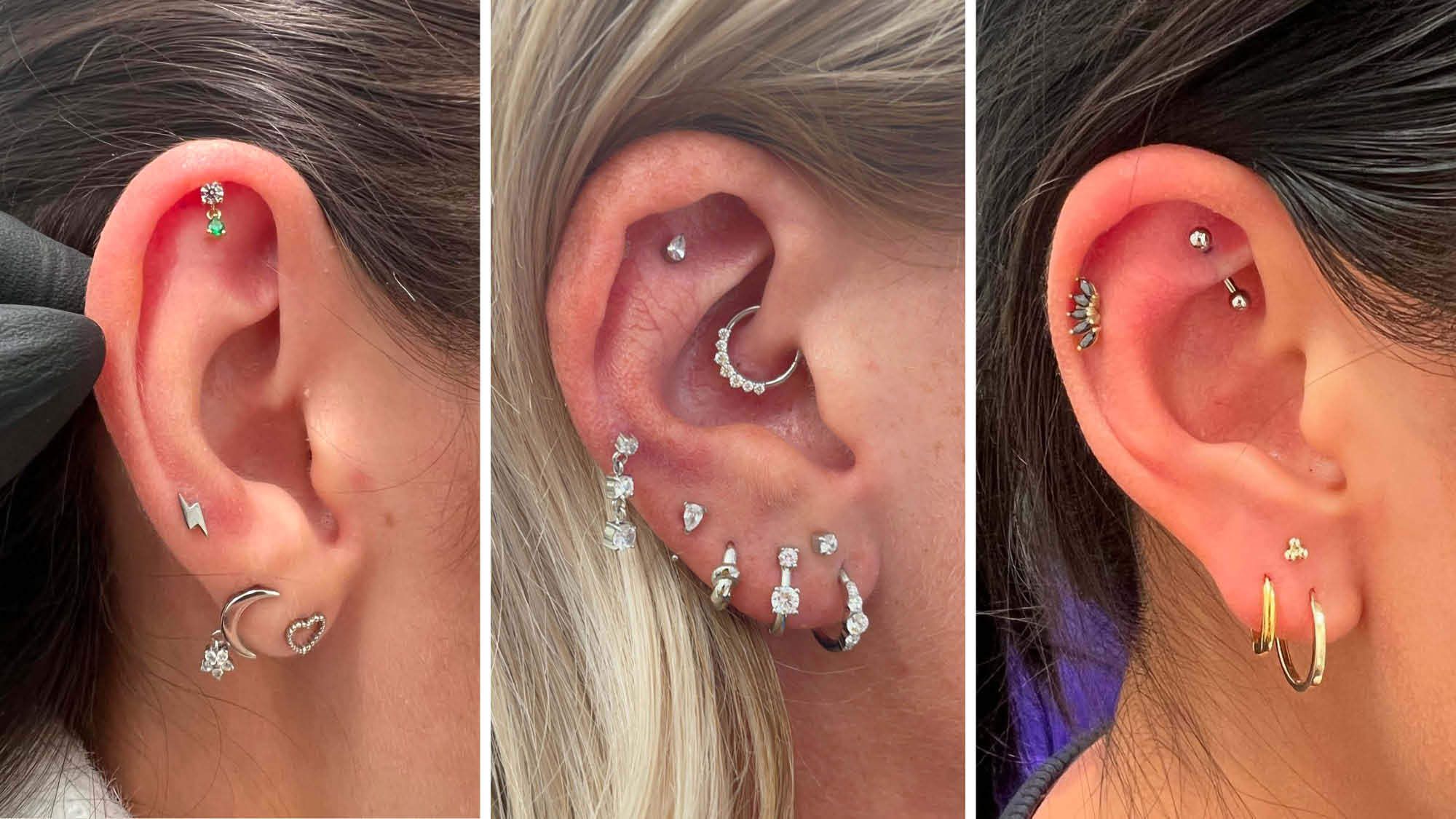

Why smiley and daith piercings are trending
The shift toward smiley and daith piercings reflects a broader move in body modification toward pieces that are both playful and structurally interesting. These specific placements have gained significant traction because they offer a distinct visual signature without the permanence of large-scale tattoos. The "Piercing Pals" community, led by professionals like Shane and Mikey from Asylum Studios, has been instrumental in popularizing these styles through their engaging content and focus on the social aspect of getting pierced.
Smiley piercings, located under the upper lip, catch the light with every smile, offering a subtle yet noticeable accent. Daith piercings, situated in the innermost cartilage fold of the ear, provide a rugged, textured look that complements both minimal and bold jewelry styles. This combination of high visibility and unique anatomical placement makes them favorites for those looking to express individuality through small, intentional changes.
The appeal of these piercings also lies in their versatility. A simple gold hoop or a delicate stud can transform the look of a smiley piercing, while a curved barbell or captive bead ring can elevate a daith piercing from subtle to statement-making. As the "Piercing Pals" series demonstrates, the experience of getting these piercings is often as memorable as the jewelry itself, driven by the camaraderie and expertise of skilled piercers who prioritize both aesthetics and safety.
Choosing the right jewelry for your style
Selecting jewelry for a smiley or daith piercing is about balancing the unique anatomy of the piercing with your personal aesthetic. These are not standard earlobe piercings; they require specific shapes and materials to sit comfortably and heal properly. The "Piercing Pals" approach favors pieces that are both durable and visually distinct, ensuring your jewelry enhances the trend rather than fighting against it.
For a smiley piercing, which sits in the frenulum of the upper lip, a curved barbell is the standard choice. This shape follows the natural curve of the mouth, preventing the jewelry from poking your gums or teeth. Materials like 14k gold or implant-grade titanium are essential here, as the oral environment is sensitive and prone to irritation. You want something that looks good when you smile but stays secure during daily activities.
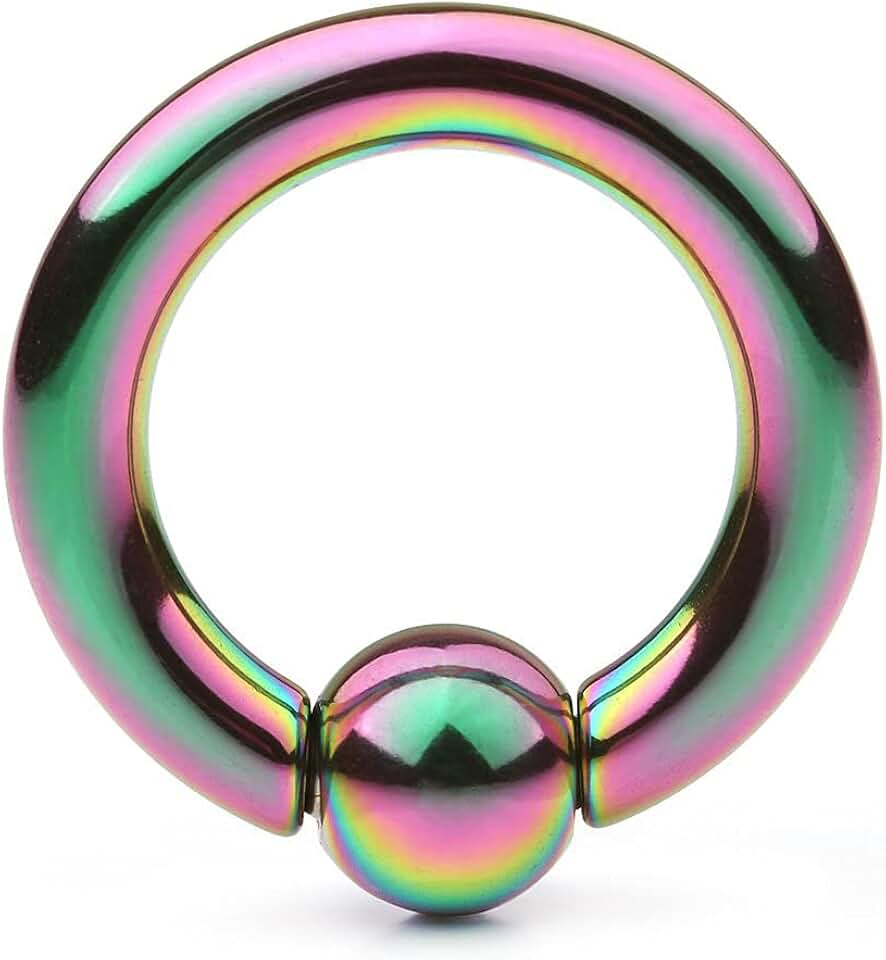
Daith piercings, located in the innermost cartilage fold of the ear, demand a different approach. A captive bead ring or a small circular barbell is typically recommended for the initial piercing. These shapes distribute pressure evenly around the cartilage fold, reducing the risk of migration or rejection. Once healed, you can experiment with more decorative ends, but the underlying ring should remain smooth and high-quality to prevent snagging on hair or clothing.
The right jewelry should feel like a natural extension of your style, not a temporary accessory. Whether you prefer minimalist gold hoops or bold titanium bars, prioritize comfort and biocompatibility. Your jewelry will be part of your daily routine, so choose pieces that you can wear without thinking about them.


As an Amazon Associate, we may earn from qualifying purchases.
Understanding the healing process
Healing a smiley or daith piercing requires patience and consistent care. While both are popular trends within the Piercing Pals community, they involve different anatomical structures and distinct recovery timelines. Treating your jewelry with respect during the initial weeks prevents rejection and ensures the final look sits perfectly.
Smiley piercing recovery
The smiley piercing passes through the thin frenulum connecting your upper lip to your gum line. Because this area is highly vascular, swelling is common immediately after the procedure. You may notice increased saliva production and slight discomfort when eating or speaking for the first few days.
Healing typically takes four to eight weeks. During this period, avoid hot, spicy, or acidic foods that might irritate the sensitive tissue. Stick to soft foods and cold beverages to reduce swelling. Rinsing with a sterile saline solution after every meal helps keep the area clean without aggressive brushing, which can snag the jewelry.
Daith piercing recovery
The daith piercing goes through the innermost cartilage fold of your ear. Cartilage has less blood flow than soft tissue, so healing is slower and more prone to irritation. You can expect a healing time of six to twelve months, sometimes longer. The ear may feel tender, throbbing, or swollen for the first few weeks.
Avoid sleeping on the pierced side to prevent pressure and misalignment. Use a travel pillow with a hole in the center to keep the ear suspended. Do not touch or twist the jewelry, as this introduces bacteria and delays healing. If the area becomes red, hot, or produces yellow discharge, consult your piercer or a healthcare provider immediately.
Daily care checklist
- Rinse with sterile saline twice daily.
- Gently pat dry with a clean paper towel.
- Avoid submerging in pools, hot tubs, or lakes.
- Do not twist or rotate the jewelry.
- Monitor for signs of infection or rejection.
Jewelry considerations
Choosing the right jewelry is crucial for a smooth healing process. Start with an implant-grade titanium or 14k gold piece to minimize allergic reactions. As the piercing heals, you can transition to decorative options. For smiley piercings, a small curved barbell or captive bead ring works best. For daith piercings, a curved barbell or hoop is standard. Always ensure the jewelry is high-quality to prevent irritation and promote faster healing.
Comparing smiley and daith piercings
Choosing between a smiley and a daith piercing often comes down to how much attention you want your jewelry to get and how much patience you have for the healing process. Both are popular trends right now, but they sit in very different parts of the mouth and ear, which changes everything from the pain level to the jewelry options available to you.
The smiley piercing goes through the frenulum under your upper lip. It is a quick procedure because the tissue is thin, but it requires strict aftercare to avoid gum damage. The daith piercing sits in the innermost cartilage fold of your ear. It is known for being more painful due to the density of the cartilage, but it offers a hidden, sophisticated look that many people prefer for its subtlety.
To help you decide which one fits your lifestyle, here is a direct comparison of the key factors.
| Feature | Smiley Piercing | Daith Piercing |
|---|---|---|
| Location | Under upper lip (frenulum) | Inner ear cartilage fold |
| Pain Level | Low to moderate | Moderate to high |
| Visibility | High (visible when smiling) | Low (hidden inside ear) |
| Healing Time | 6 to 8 weeks | 6 to 12 months |
| Jewelry Type | Captive bead ring or circular barbell | Curved barbell or captive bead ring |
If you are new to body modification, the smiley is often the easier entry point. The healing time is short, and you can see exactly how it is settling in. However, you must be diligent about cleaning it to prevent irritation to your teeth and gums. The daith requires a longer commitment. Because it is cartilage, blood flow is slower, meaning it takes much longer to heal completely. Many people choose the daith specifically because it stays hidden, making it ideal for professional environments or those who prefer low-key jewelry.
Both piercings allow for a variety of jewelry styles. For a smiley, a small captive bead ring is classic, while a curved barbell can offer a more subtle look. For the daith, a curved barbell is the standard because it follows the natural curve of the ear fold. You can later switch to a circular barbell or a decorative captive bead ring once fully healed. Always consult with a professional piercer to choose the right gauge and length for your anatomy.
Piercing care and costs: common: what to check next
Understanding the financial and aftercare side of getting a smiley or daith piercing helps you avoid surprises. Piercing Pals breaks down the real costs, tipping etiquette, and essential care steps so you can heal smoothly.
These answers cover the basics of piercing costs and care. For more detailed guides on healing and jewelry, check out our other resources at Piercing Pals.
No comments yet. Be the first to share your thoughts!