

Why smiley and daith piercings are trending
The landscape of body modification has shifted from rebellion to refinement. Smiley and daith piercings have emerged as the "wellness accessories" of 2026, moving away from the edgy, hidden aesthetic of the past toward jewelry that complements daily style and self-care routines. This shift reflects a broader cultural change where body art is viewed as an extension of personal wellness rather than a statement of opposition.
At Piercing Pals, we see this trend as a return to mindful adornment. These specific piercings are gaining popularity because they offer a subtle yet distinct presence. A smiley piercing catches the light only when you smile, while a daith piercing sits quietly in the ear’s inner curve, often mistaken for a stylish stud until viewed up close. This subtlety makes them accessible to professionals and style-conscious individuals who want to express individuality without overwhelming their look.
This evolution doesn’t mean sacrificing safety or quality. Modern piercers are prioritizing biocompatible materials and precise placement techniques to ensure these delicate piercings heal well and remain comfortable. The focus is on longevity and integration into your daily life, turning a piercing into a trusted part of your routine rather than a temporary experiment.
Choosing the right smiley piercing jewelry
Selecting the correct jewelry for a smiley piercing is less about fashion and more about anatomy. The smiley sits in the thin frenulum connecting your upper lip to your gums, a space that is highly mobile and sensitive. If the jewelry is too long, it will constantly click against your teeth, leading to enamel wear or gum recession. If it is too tight, it will embed into the swelling tissue. Finding that balance requires starting with a slightly longer barbell to accommodate initial swelling, then downsizing to a snug fit once healed.
Material choice is non-negotiable for oral piercings. You must stick to implant-grade titanium or 14k+ gold. Surgical steel contains nickel, which can cause reactions in the moist environment of the mouth, and acrylic or plastic can harbor bacteria. When you shop for your smiley jewelry, look for "implant-grade" labels specifically. The fit should be a curved barbell (often called a captive bead ring or a curved bar) that rests comfortably without poking your tongue or cheek.
Curved Barbell Options
A curved barbell is the standard for smiley piercings because it follows the natural shape of the frenulum. These bars come in various lengths and gauges, typically starting at 16g or 18g. The curvature ensures the jewelry stays in place without putting pressure on the gum line.


As an Amazon Associate, we may earn from qualifying purchases.
Captive Bead Rings
Some piercers prefer a captive bead ring (CBR) for smileys, particularly if the client has a specific aesthetic preference or if the anatomy allows for a circular fit. The bead snaps into place, creating a seamless circle. However, the bead itself can sometimes irritate the tongue or teeth if it is too large or textured. Choose a smooth, small bead made of titanium or gold to minimize oral trauma.


As an Amazon Associate, we may earn from qualifying purchases.
Safety and Aftercare
Regardless of the jewelry style you choose, aftercare is critical. Clean your smiley piercing twice daily with a saline solution or an alcohol-free mouthwash. Avoid hydrogen peroxide or alcohol-based rinses, as these can dry out the tissue and delay healing. Also, be mindful of what you eat and drink during the healing process; spicy or acidic foods can irritate the fresh piercing. If you notice excessive swelling, bleeding, or pain that doesn't subside, consult your piercer immediately—they may need to adjust the jewelry length.
Choosing the right daith jewelry style
Selecting the right jewelry for a daith piercing is less about following trends and more about respecting the unique anatomy of your ear. The daith sits in the innermost cartilage fold, a tight space that demands jewelry with a specific curvature to sit flush against the skin. When you choose the wrong shape, the ends can poke out, causing irritation or snagging on hair and clothing. At Piercing Pals, we prioritize comfort first, ensuring that your jewelry not only looks good but also allows the piercing to heal without constant friction.
Curved barbells and captive bead rings
The two most common and reliable options for daith piercings are curved barbells and captive bead rings (CBRs). A curved barbell follows the natural C-shape of the cartilage ridge, offering a secure fit that is less likely to rotate or shift during the healing process. This style is often preferred by piercers for initial jewelry because it minimizes movement. Captive bead rings provide a classic, continuous loop that can be slightly more forgiving if the swelling varies, but they require a precise gauge to ensure the bead stays secure. Both styles come in various metals, so sticking to implant-grade titanium or solid gold is essential to avoid allergic reactions.
Huggies and mini hoops
For healed piercings, smaller huggies and mini hoops have become increasingly popular. These pieces are designed to hug the cartilage closely, creating a subtle, elegant look that doesn't protrude aggressively. They are ideal for those who want a low-profile aesthetic or who frequently wear headphones, as they sit flush against the ear. However, because they are smaller, they can be trickier to insert and remove, so it is best to have a professional piercer handle the initial swap. When shopping for these styles, look for pieces with a smooth interior to prevent irritation to the healed fistula.
Comparing daith jewelry styles
Not all jewelry is created equal when it comes to the daith. The table below breaks down the key differences between the most common styles to help you decide which fits your lifestyle and anatomy best.
| Style | Comfort Level | Visibility | Best For |
|---|---|---|---|
| Curved Barbell | High | Low | Healing and active lifestyles |
| Captive Bead Ring | Medium | Medium | Classic look and easy insertion |
| Huggie/Mini Hoop | Medium-High | Low | Healed piercings and subtle aesthetics |
Safety and material matters
Regardless of the style you choose, the material is the most critical factor for your long-term health. The daith is prone to irritation, so always opt for implant-grade titanium, niobium, or 14k+ solid gold. Avoid surgical steel, silver, or plated metals, as these can contain nickel or wear away, leading to infections or green discoloration. If you are experiencing redness or swelling, switch to a larger gauge or a simpler curved barbell to reduce pressure, and consult your piercer before trying new styles during the healing phase.
Essential piercing care for smiley and daith
Healing a smiley or daith piercing requires a steady routine. These spots are sensitive, and the mouth or cartilage can trap bacteria easily. Stick to a simple aftercare plan to keep irritation low and support healthy tissue growth.
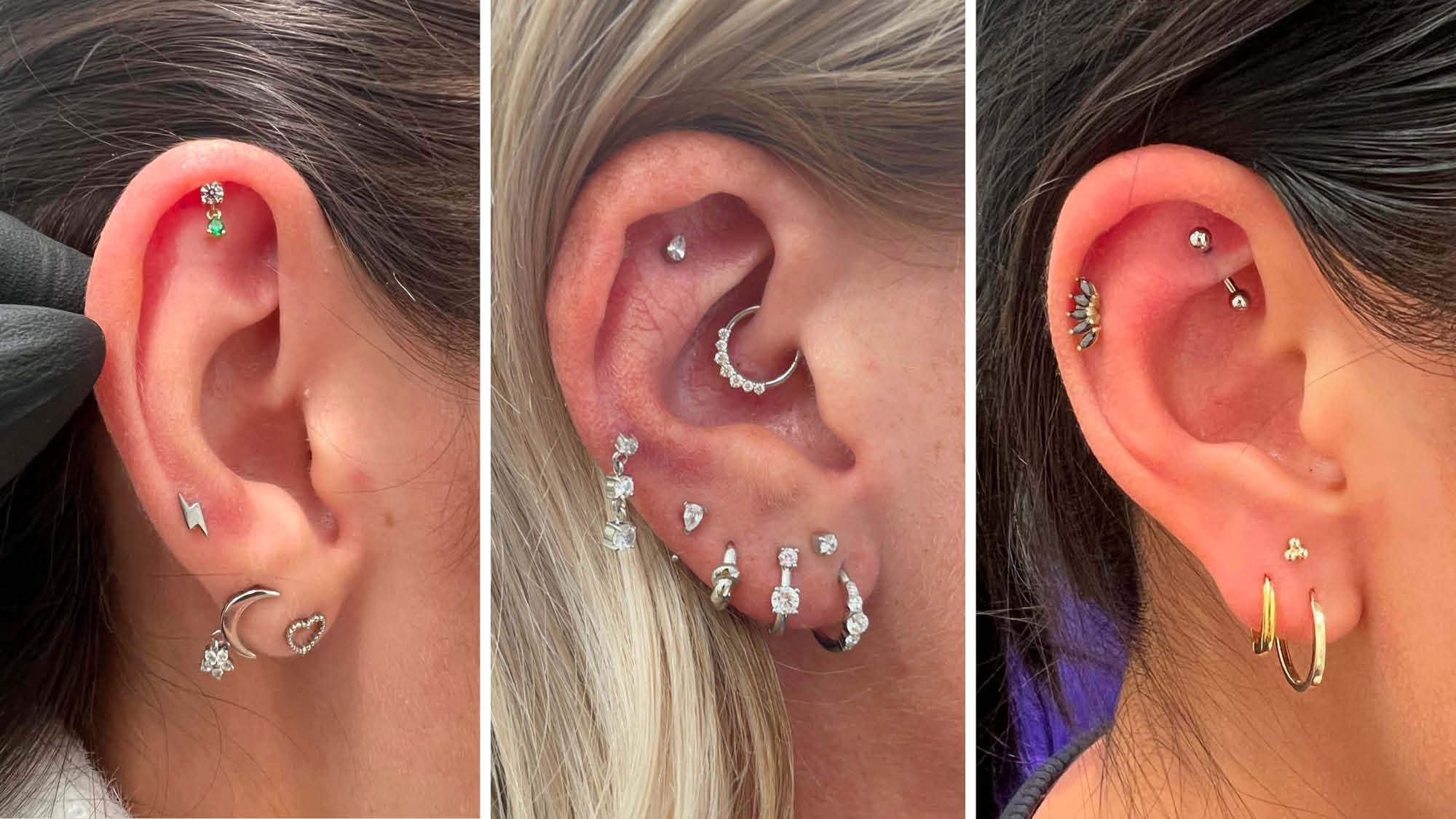
Use a pre-mixed sterile saline solution labeled 0.9% sodium chloride. Spray it directly on the piercing or apply it with clean, lint-free gauze. Do this morning and night. Avoid homemade salt mixes, as incorrect ratios can sting and delay healing.
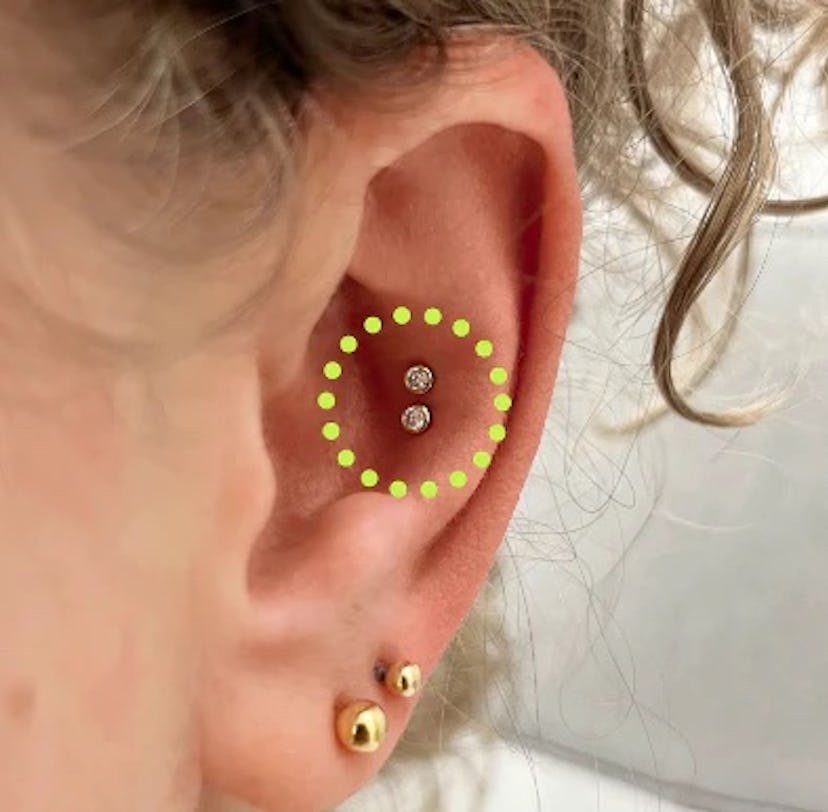
The smiley sits in the frenulum, right where food and drinks pass. Rinse your mouth with plain water or an alcohol-free mouthwash after every meal. This flushes away debris that could irritate the fresh puncture. Avoid mouthwashes with alcohol, as they dry out the tissue and slow recovery.
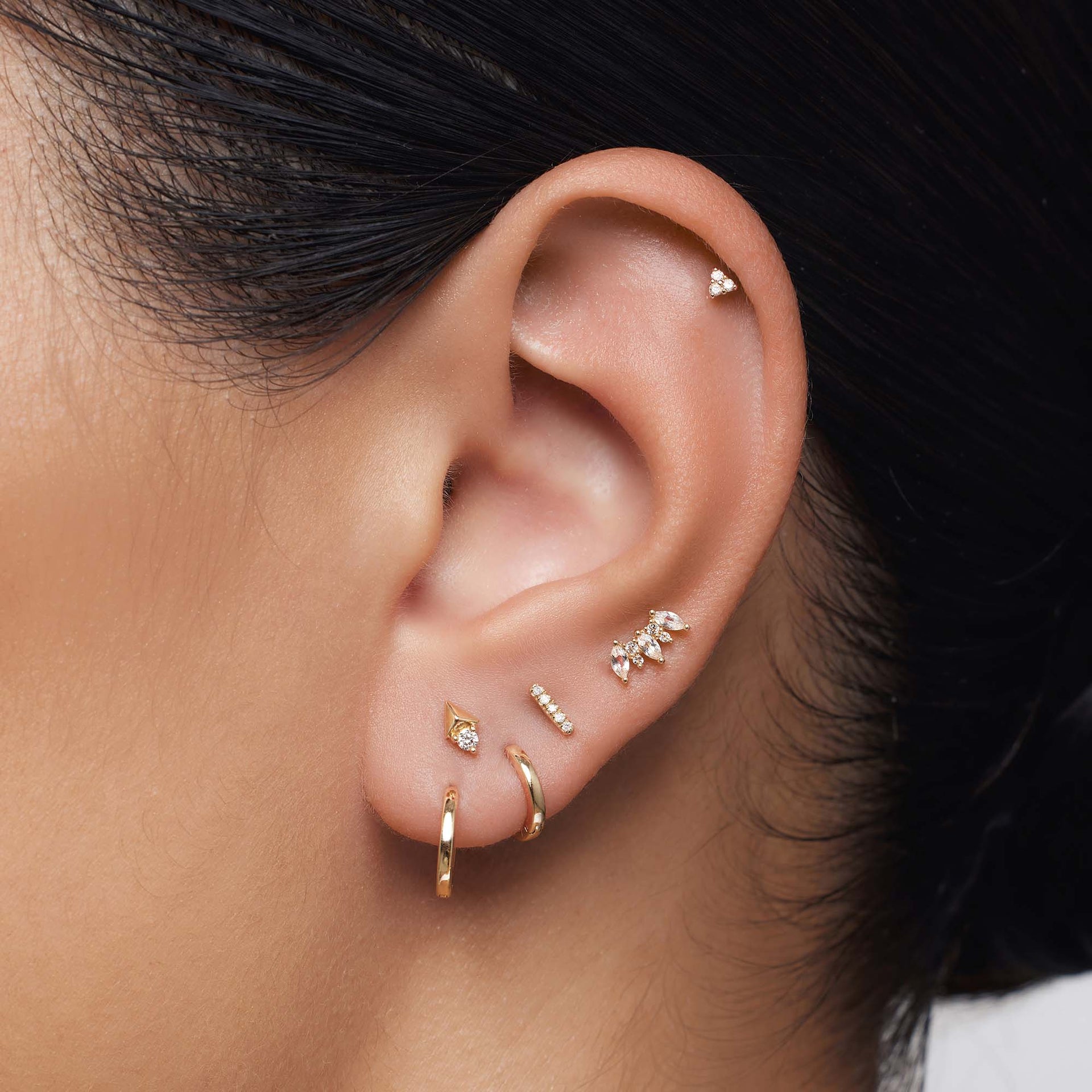
Cartilage piercings like the daith heal slowly, often taking six to twelve months. Do not twist, turn, or play with the jewelry. This movement creates micro-tears inside the channel, leading to bumps and prolonged healing times. Let the jewelry sit still while the body builds its fistula.

Until the smiley is fully healed, avoid kissing or oral sex. Saliva carries bacteria that can infect the wound. Also, keep your toothbrush, utensils, and cups separate from others. Sharing these items introduces germs that your healing tissue cannot fight off yet.
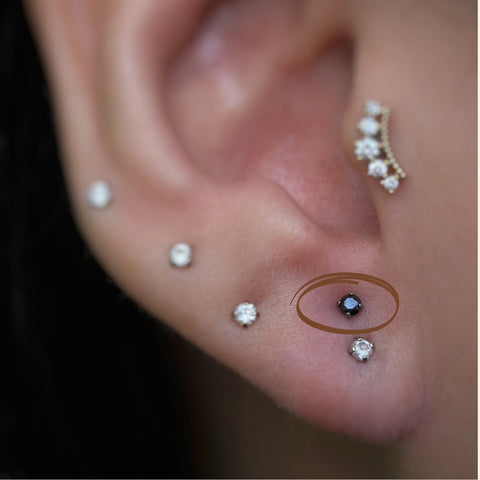
Some redness and clear fluid are normal. However, thick yellow or green discharge, increasing heat, or severe pain are not. If you notice these signs, do not remove the jewelry yourself. Contact your piercer or a healthcare provider immediately to prevent complications.
Frequently asked questions about smiley and daith piercings
Navigating the world of oral and ear cartilage piercings involves more than just choosing jewelry. We’ve gathered the most common questions from our community to help you make informed decisions about safety, pain, and aftercare.
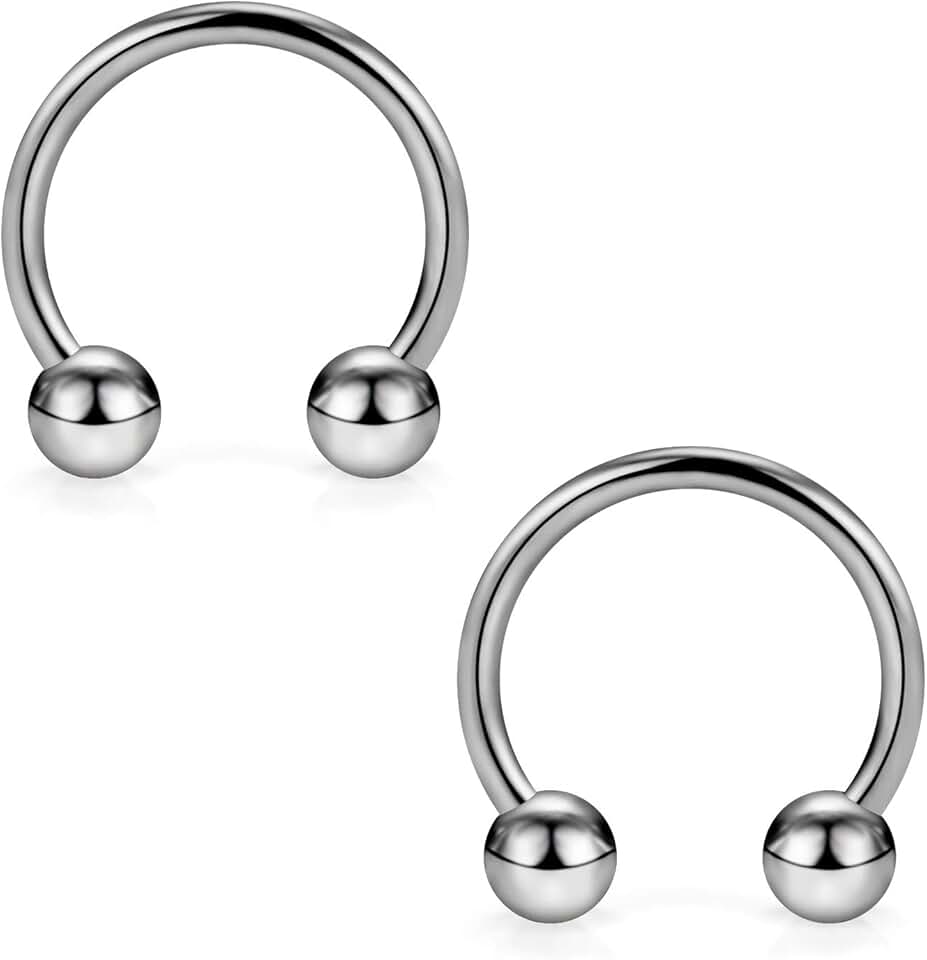
For those looking to start their piercing journey, we recommend starting with high-quality, implant-grade jewelry to minimize irritation. Check out our curated selection of safe, stylish options below.

As an Amazon Associate, we may earn from qualifying purchases.
No comments yet. Be the first to share your thoughts!