

Finding a Piercing Pal Who Prioritizes Safety
The term "Piercing Pals" often conjures images of best friends sharing a piercing studio, as seen in social media trends where body piercers collaborate on content. However, for the client, a "piercing pal" is less about a specific brand and more about the relationship with a trusted, skilled professional. This partnership is the foundation of a safe and stylish piercing experience, particularly when navigating complex trends like septum, helix, and daith placements.
Choosing the right piercer begins with verifying their commitment to hygiene and anatomy. A true professional treats your cartilage with the same rigor as any medical procedure. Look for studios that display autoclave sterilization logs and use single-use, pre-sterilized needles. Avoid any establishment that uses piercing guns for cartilage, as these devices cause blunt trauma and increase the risk of infection and rejection. The best piercers will discuss your anatomy honestly, advising against placements that might not heal well for your specific ear structure.
Beyond technical skill, a good piercing pal aligns with your aesthetic goals. During the consultation, they should listen to your ideas for septum, helix, or daith jewelry while offering expert guidance on placement and jewelry type. This collaborative approach ensures the final result is both fashionable and functional. If a piercer dismisses your concerns or rushes the process, it is a sign to seek another professional who values your safety and satisfaction as much as their own reputation.
How to pick the right studio for your piercings
Finding a studio that feels like a true partner in your body modification journey requires more than just checking a location on a map. You need a space where safety is non-negotiable and style is second nature. Follow this workflow to ensure your septum, helix, or daith piercing starts with confidence.
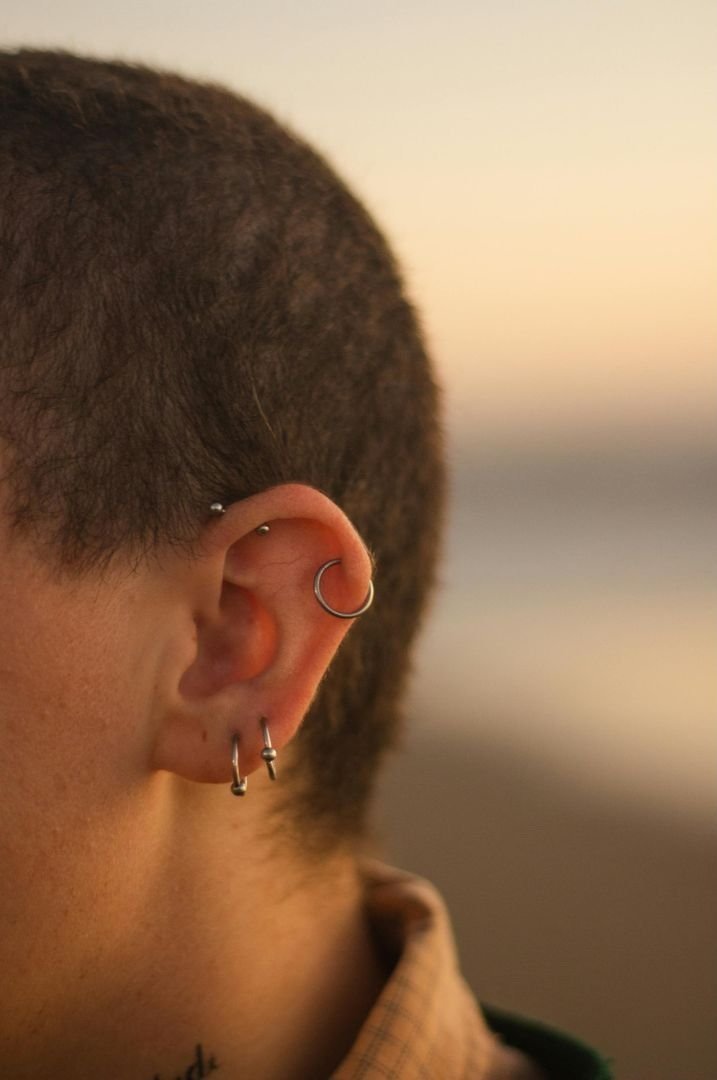
Look for studios with current certifications from recognized bodies like the APP (Association of Professional Piercers). This ensures the piercers have undergone rigorous training in anatomy, sterilization, and aftercare. A certified studio is your first line of defense against infection and improper placement.
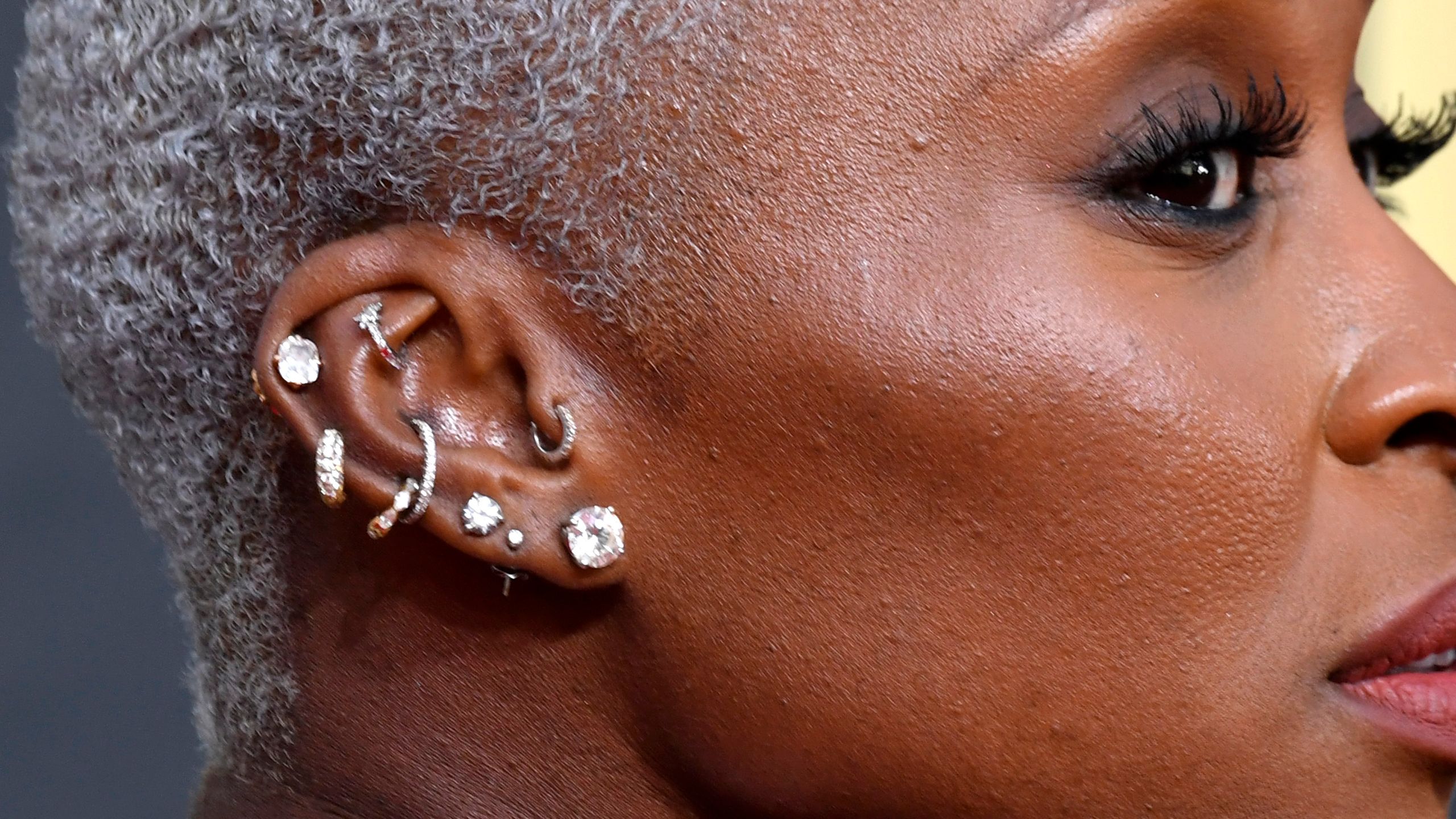
Browse the studio’s recent work on social media or their website. Specifically look for examples of helix, daith, and septum piercings. You want a piercer who understands the unique anatomy of each spot and can place jewelry to complement your natural features, not just stick a needle in wherever it fits.
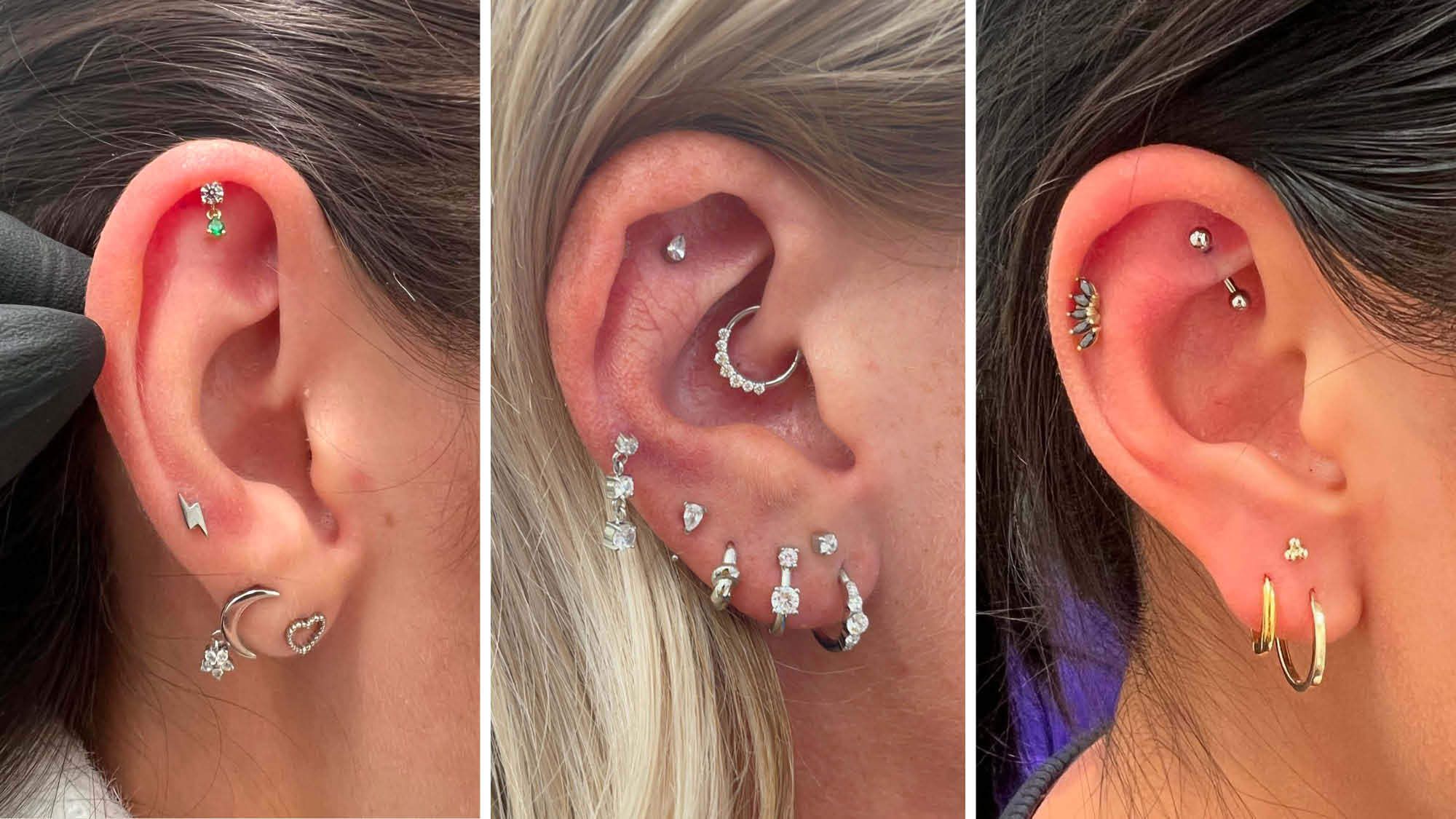
A good studio offers a wide range of implant-grade titanium, gold, and niobium jewelry during the consultation. They should discuss sizing, style, and healing times openly. If they push you into low-quality materials or rush the decision, it’s a red flag. Your jewelry is an investment in your long-term comfort.
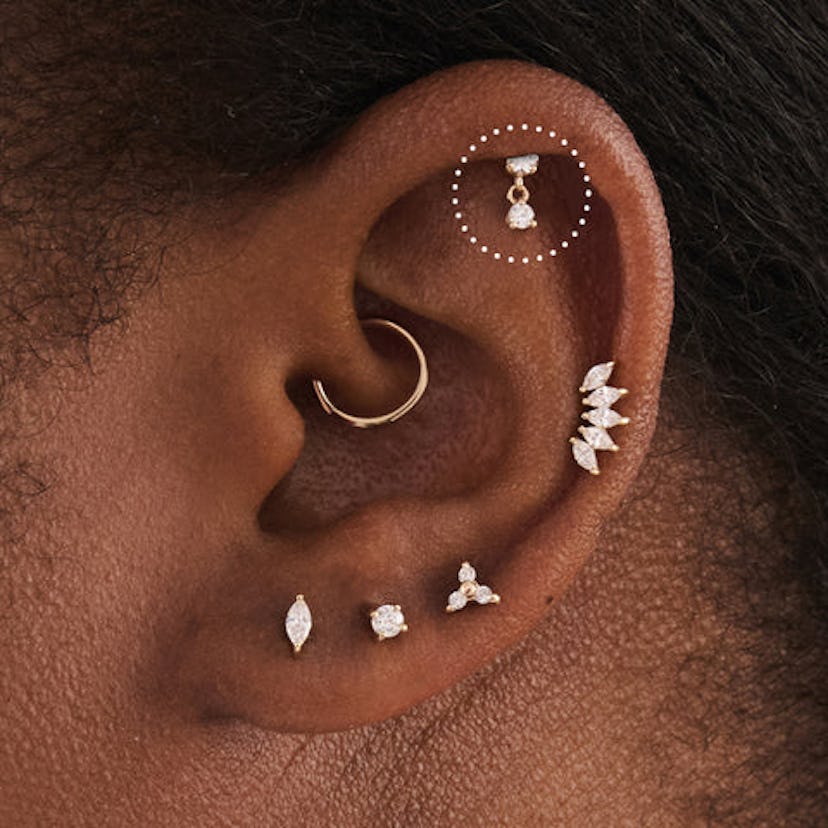
Walk into the studio and observe. Are piercers wearing gloves? Is the workspace clean? Do they use single-use needles? These are non-negotiable standards. A reputable studio will welcome your questions about their sterilization process and show you their autoclave logs if asked.
Septum and helix placement tips
Choosing your septum or helix piercing is less about following a trend and more about finding the right fit for your unique anatomy. Your Piercing Pals approach means you are looking for a trusted partnership with your piercer, ensuring the placement complements your facial structure or ear shape rather than fighting against it. This section breaks down the specific considerations for these two popular placements.
Septum placement and anatomy
A septum piercing sits in the "sweet spot," the thin area of skin between the cartilage and the lower part of your nasal septum. Finding this spot is critical for comfort and proper healing. If the placement is too high, it can hit cartilage, leading to rejection or prolonged pain. If it’s too low, it may interfere with your nosebone or look unnatural. A skilled piercer will gently pinch the area to locate the flexible tissue that allows for a clean, straight pass.
Jewelry choice plays a significant role in how a septum piercing looks and feels. Circular barbells offer a classic look that can be flipped up for concealment, while captive bead rings provide a continuous circle that sits flush against the nostrils. For those who prefer a more decorative approach, segment rings or clickers can add personality without compromising comfort. Always start with a high-quality implant-grade titanium or solid gold piece to minimize the risk of irritation during the initial healing phase.
Helix placement and jewelry selection
The helix is the outer cartilage ridge of your ear, offering a versatile canvas for both single studs and multiple piercings. Placement here depends heavily on the curvature of your ear. A piercer will assess the space available on your helix to ensure that jewelry won’t press against the side of your head when you sleep, which is a common cause of irritation bumps.
For a first-time helix piercing, a simple stud or small hoop is often the best choice. Studs are less likely to snag on hair or clothing, reducing the risk of trauma during healing. If you prefer hoops, ensure they are large enough to accommodate swelling and have a secure closure mechanism. As you build your ear gallery, mixing studs and hoops can create a balanced, curated look. Remember, patience is key; cartilage heals slower than soft tissue, so proper aftercare and avoiding unnecessary manipulation are essential for a smooth recovery.
Choosing Your Daith and Smiley Piercing Pals
Finding the right Piercing Pals for a daith or smiley piercing requires looking beyond basic aesthetics. These placements sit in sensitive, complex areas of the body, meaning your partner’s expertise in anatomy and needle control is the primary factor in your safety and comfort. A skilled piercer treats these spots with the same caution they would a cartilage helix, ensuring the jewelry sits correctly to avoid migration or rejection.
The Daith: Cartilage Complexity
The daith piercing passes through the crus of the helix, a thick fold of cartilage near the ear canal. Because the tissue is dense, the pain is often described as a deep pressure or ache rather than a sharp sting. Healing is slower than lobe piercings, typically taking six to twelve months. Your Piercing Pals should use a hollow needle rather than a gun to create a clean channel, reducing trauma and swelling.
The Smiley: Oral Sensitivity
A smiley piercing goes through the thin frenulum connecting the upper lip to the gum line. This area is highly vascular and sensitive, making the initial puncture feel more intense due to the nerve density. However, the tissue is thin, which can lead to a surprisingly quick healing process of six to eight weeks. The primary risk here is gum erosion or tooth damage from the jewelry rubbing against enamel. Your Piercing Pals must select a short, lightweight initial barbell to minimize this friction.
Cost and Tipping Etiquette
Choosing your Piercing Pals is a partnership, and understanding the financial side helps set clear expectations from the start. Costs vary significantly based on the studio's reputation, the complexity of the placement, and the jewelry quality. A standard septum or helix piercing typically ranges from $40 to $80, while a daith piercing often costs slightly more due to the cartilage thickness and precision required. Always ask for an all-inclusive price that covers the procedure, the initial jewelry, and any necessary aftercare supplies.
Tipping is a common point of confusion, but it’s straightforward once you view it as a gesture of appreciation for the piercer’s skill and time. A general rule of thumb is to tip 15–20% of the total service cost. For example, if your piercing costs $100, a $15 to $20 tip is standard. If the piercer took extra time to consult on placement or if you’re getting multiple piercings done in one session, consider tipping toward the higher end of that range or even $30 to show genuine gratitude for their expertise.
Some studios include gratuity in the final bill, so always check the receipt before leaving. If you’re unsure, it’s perfectly acceptable to ask your Piercing Pal discreetly about their tipping policy. Remember, this isn’t just a transaction; it’s an investment in your body’s safety and aesthetic. A fair tip reinforces a positive relationship with your piercer, ensuring you have a trusted professional for any future adjustments or new jewelry needs.
Common piercing questions answered
Choosing your Piercing Pals means finding professionals who treat your body with the same care they’d give their own. While the selection process focuses on safety and style, practical concerns often arise. Here are the most frequent questions we hear from new clients.
These answers help clarify the commitment involved. Remember, your Piercing Pals are there to guide you through every step, ensuring your experience is safe, comfortable, and stylish.
No comments yet. Be the first to share your thoughts!