

What makes a good piercing pal
Cartilage and septum piercings require precise knowledge of anatomy and aftercare. Between the helix, daith, and various septum styles, knowing which jewelry fits your body is the first hurdle. A trusted resource—like Piercing Pals—helps you make informed decisions about safety, materials, and healing timelines.
A good guide prioritizes clarity. Cartilage piercings are more complex than lobe piercings and require strict adherence to sterile procedures. A solid resource will never rush you into a procedure without explaining the risks. They provide clear, step-by-step guidance on what to expect, from the initial consultation to the long-term maintenance of your new jewelry.
Note: Never attempt a cartilage piercing at home. Professional guidance is non-negotiable for safe, sterile, and anatomically correct placement.
The best resources, like Piercing Pals, focus on empowering you with knowledge. They break down the differences between jewelry materials, explain the healing process for specific piercings, and offer tips on managing discomfort. By relying on these authoritative companions, you transform a potentially stressful experience into a confident, well-planned journey.
Choosing septum jewelry styles
Septum jewelry sits in a flexible membrane that moves when you talk, eat, or smile. Piercing Pals notes that the best style is one that stays put without pinching. The circular barbell (horseshoe) is the industry standard because its shape follows the natural curve of the nose. It allows the jewelry to be flipped up for concealment or flipped down for display.
When selecting a style, focus on the gauge and the diameter. Most new piercings are done at 16g or 14g, but you should never force jewelry into a piercing that isn't fully healed. A diameter that is too small will cause migration or rejection, while one that is too large will swing and catch on clothing. The goal is a fit that feels like a second skin, not a loose accessory.
If you want to avoid the horseshoe look, flat disc retainers or nose studs are excellent alternatives. These sit flush against the septum and are less likely to snag. For those who prefer a more decorative look, captive bead rings offer a secure closure with a single bead that holds the ring in place. Always prioritize comfort and security over trend when choosing your first septum piece.
Choosing helix jewelry that fits your ear
Helix piercings sit on the upper cartilage rim, offering a versatile canvas for stacking or solo statements. Unlike lobe piercings, cartilage heals slower and moves less, meaning your jewelry choice directly impacts both comfort and the final look. Whether you are aiming for a subtle stud or a dramatic hoop, the right piece can define your style without compromising the healing process.
Piercing Pals helps you navigate this variety by focusing on how different metals and shapes interact with your anatomy. A mismatched gauge or length can cause irritation bumps or migration, turning a stylish upgrade into a healing headache. We break down the most common helix styles so you can pick jewelry that complements your ear’s natural curve.
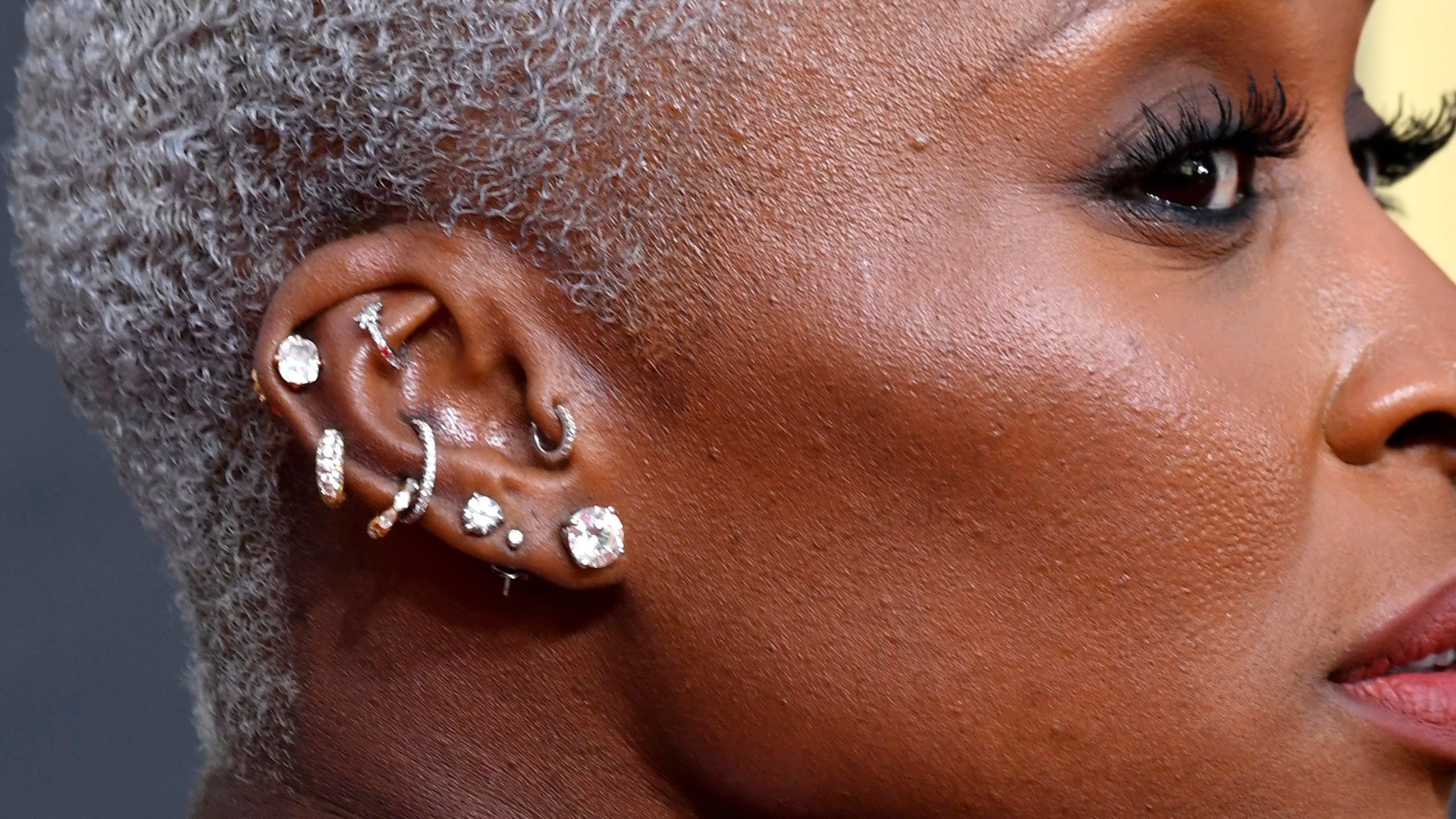
The visual impact of multiple helix piercings often comes from mixing textures and sizes. A cluster of small studs creates a constellation effect, while a single large hoop draws the eye along the ear’s edge. Piercing Pals recommends starting with implant-grade titanium or 14k gold to minimize allergic reactions, especially since cartilage has limited blood flow compared to soft tissue.
| Jewelry Type | Healing Time | Visibility | Best For |
|---|---|---|---|
| Labret Studs | 6–9 months | Low to Medium | First piercings, subtle stacking |
| Hoops (Hinged) | 6–12 months | High | Statement looks, easy insertion |
| Captive Bead Rings | 6–9 months | Medium | Classic, secure fit |
| Threadless Pins | 6–9 months | Low | Customizable tops, secure |
Healing times vary based on aftercare and individual biology, but cartilage generally takes longer than lobe tissue. During this period, avoid sleeping on the new piercing and stick to saline cleanses. Piercing Pals provides detailed aftercare guides to ensure your helix heals cleanly, allowing you to upgrade to fashion jewelry sooner. Once healed, you can experiment with dangles, chains, or mixed-metal stacks to create a look that is uniquely yours.
Understanding daith piercing options
The daith piercing sits in the innermost fold of cartilage, making it one of the more complex placements to navigate. Unlike surface piercings, this spot requires navigating a tight, curved pocket of tissue. Piercing Pals recognizes that this complexity demands a specific approach to jewelry selection and aftercare to ensure comfort and proper healing.
Choosing the right jewelry is the first hurdle. Because the daith is a tight space, standard studs often fail to fit or cause pressure. Piercing Pals recommends starting with a curved barbell or a captive bead ring that matches the anatomy of your ear. These shapes follow the natural curve of the fold, reducing the risk of migration or rejection.
Healing this area takes patience. Cartilage has limited blood flow, so the daith can take six to twelve months to fully settle. During this time, the jewelry may feel tender or shift slightly. Piercing Pals advises against changing jewelry too early, as the fistula is still fragile. Consistent cleaning with saline solution is the only reliable way to keep the area healthy without irritation.
Before purchasing jewelry, examine the fold of your ear. The daith piercing requires a distinct ridge to hold the jewelry securely. Piercing Pals suggests consulting with a professional piercer to confirm you have the right anatomy for this specific placement.
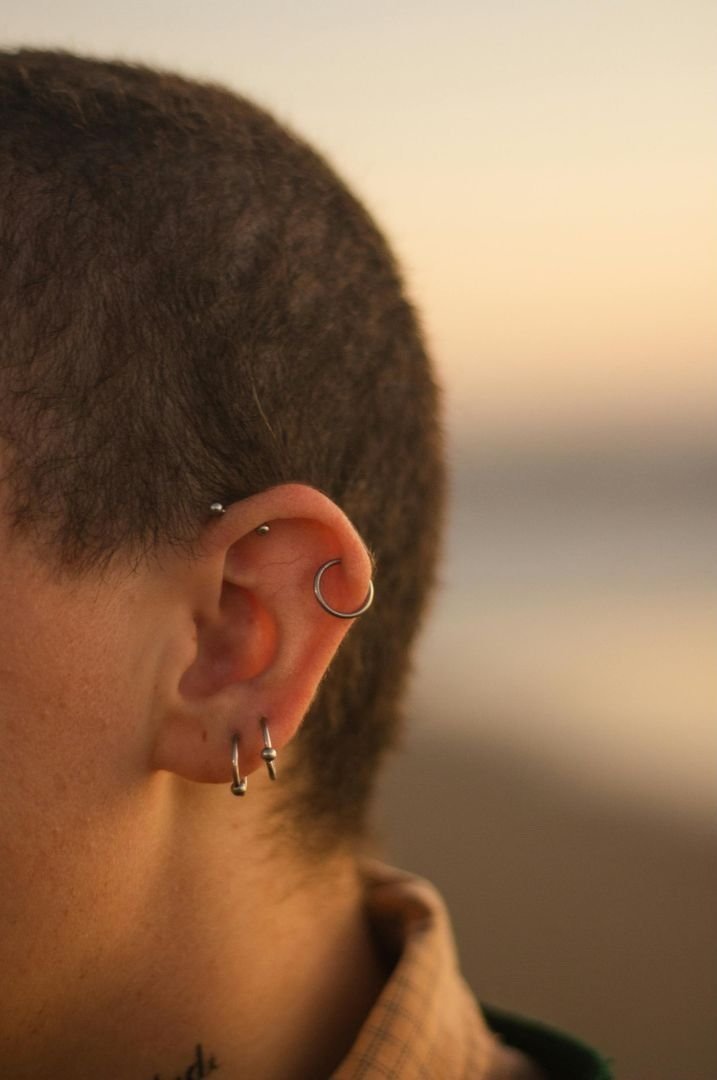
Opt for a curved barbell or a small captive bead ring. These styles are designed to contour to the inner ear fold. Avoid heavy hoops or large studs, which can pull on the healing tissue and cause discomfort.
Clean the area twice daily with sterile saline solution. Do not use alcohol or hydrogen peroxide, as these can dry out the cartilage and delay healing. Piercing Pals emphasizes that consistency is key to preventing infection in this tight space.
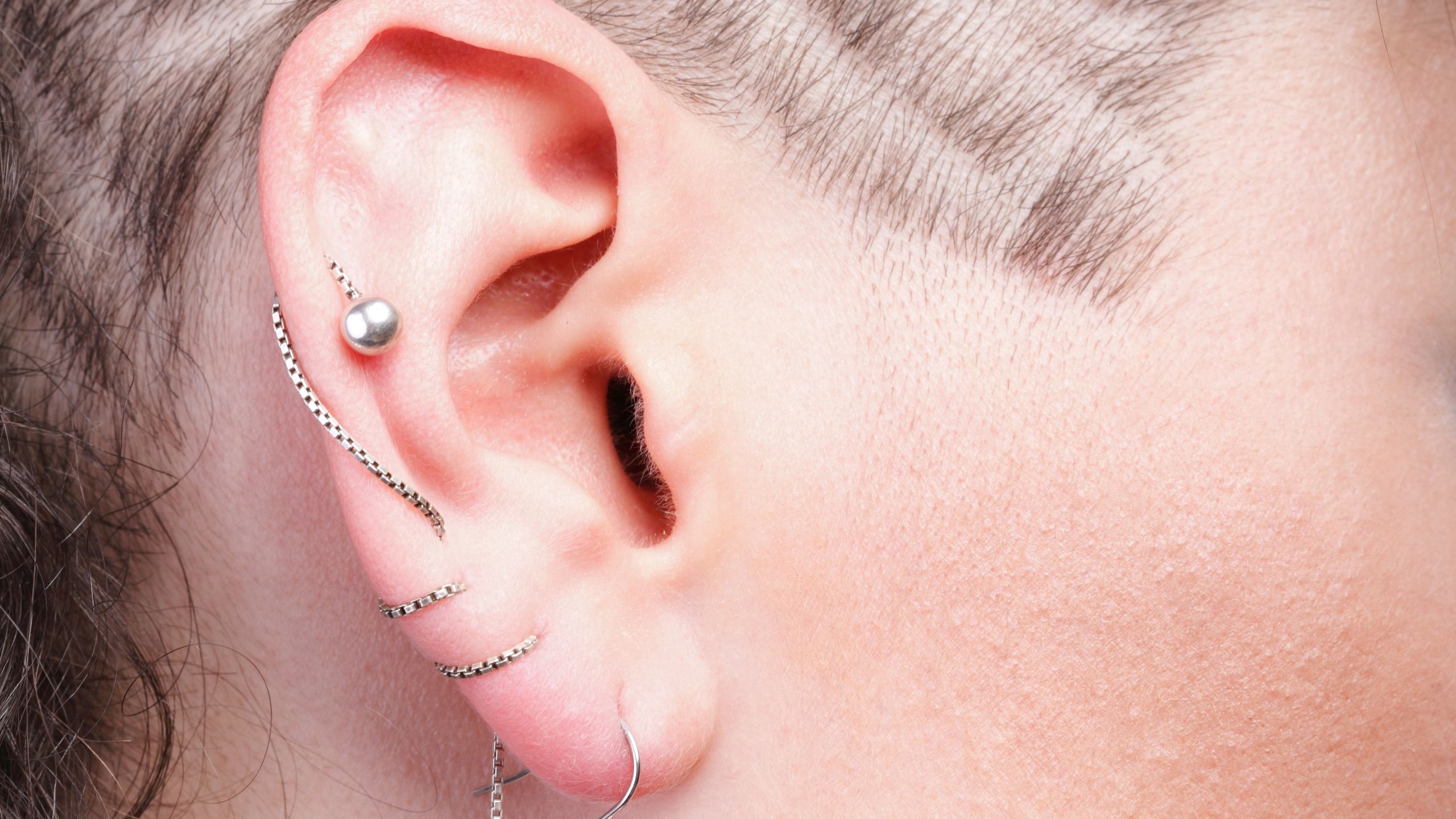
Wait at least six months before changing your jewelry. The fistula needs time to mature fully. Attempting to swap jewelry too soon can introduce bacteria and cause the piercing to close or reject.
Piercing costs and care
Finding the right Piercing Pals starts with understanding what each style costs and how much maintenance it demands. Septum, helix, and daith piercings vary significantly in price due to cartilage density and jewelry complexity. Knowing these differences helps you budget accurately and choose a piercer who prioritizes safety over speed.
Septum piercing costs and aftercare
Septum piercings typically range from $40 to $80. The procedure is relatively quick, but aftercare requires diligence. You’ll need to rinse with sterile saline solution twice daily for six to eight weeks. Avoid twisting the jewelry or flipping it up too frequently, as this irritates the healing fistula. Keep hair products and makeup away from the site to prevent infection.
Helix piercing costs and aftercare
Helix piercings cost between $35 and $65 per cartilage puncture. Cartilage heals slower than lobe tissue, often taking three to twelve months. During this time, avoid sleeping on the affected ear. Use a travel pillow to keep pressure off the helix. Stick to saline sprays and avoid submerging the piercing in pools, hot tubs, or baths until fully healed.
Daith piercing costs and aftercare
Daith piercings are among the most expensive, usually costing $60 to $100. Located in the innermost cartilage fold, they are technically challenging and require an experienced piercer. Healing can take six to twelve months. Be patient with swelling and avoid touching the area. If you experience persistent pain or discharge, consult your piercer immediately.
Pre-piercing checklist
Before your appointment, gather these essentials to ensure a smooth experience with your Piercing Pals:
- Valid ID for age verification
- Cash or card for payment
- Clean hair and no facial makeup near the site
- Questions about jewelry materials (implant-grade titanium is best)
- Aftercare saline solution purchase plan
Frequently asked questions about piercing pals
Finding the right professional for your septum, helix, or daith piercing can feel overwhelming. Piercing Pals serves as a central guide to help you find a reputable artist who prioritizes safety and style. Below are common questions to clarify what to expect before your appointment.
No comments yet. Be the first to share your thoughts!