

What Piercing Pals Covers
Piercing Pals is your practical guide to navigating the world of body modification, from initial costs to long-term healing. We focus on clarity and safety, helping you make informed decisions about septum, helix, and daith piercings without the guesswork.
Our resources are built on real-world experience and current industry standards. Whether you are looking for a cost breakdown, aftercare instructions, or the latest trends, we provide straightforward advice that respects your body and your budget.
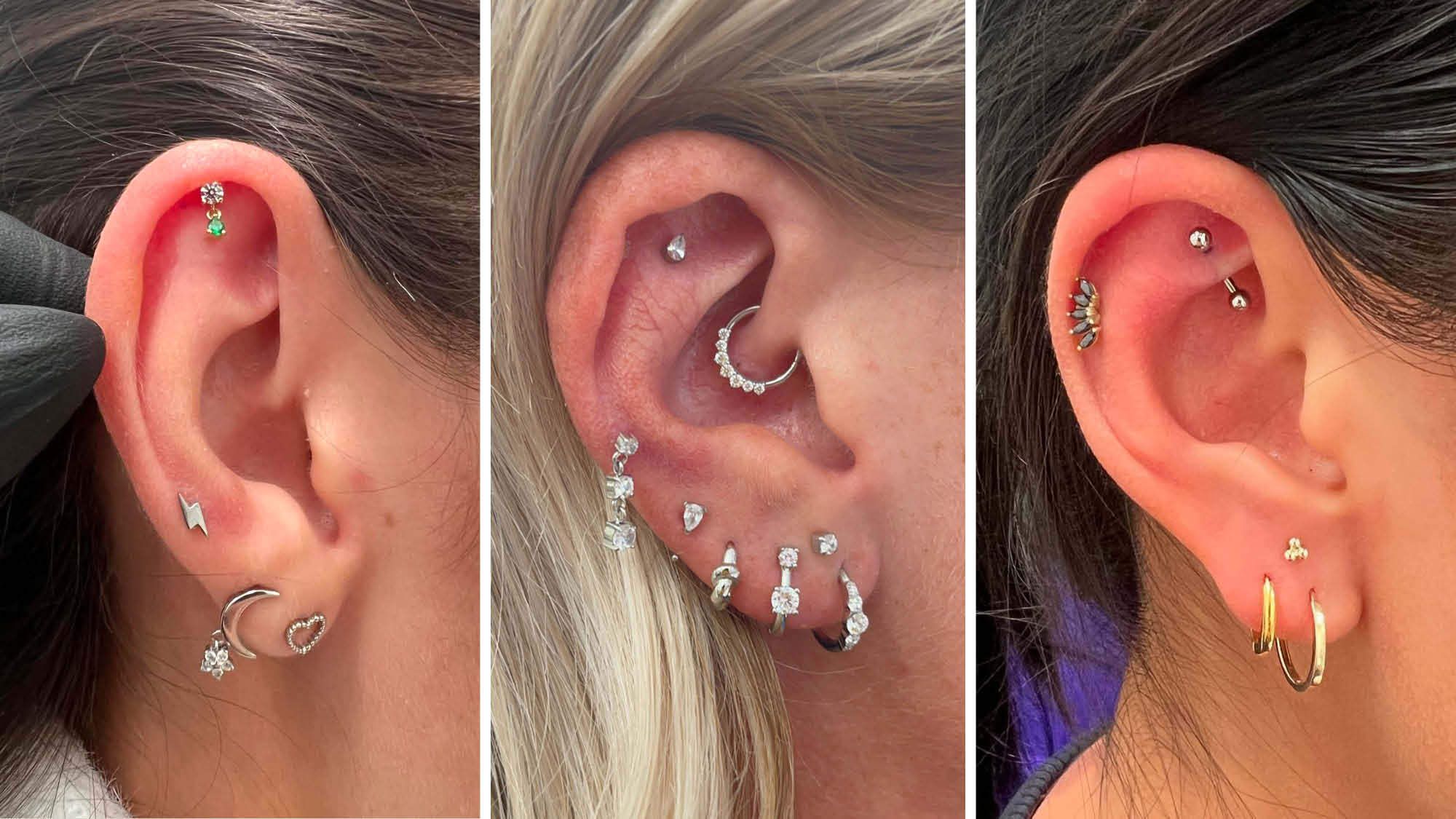
We believe in transparency. That is why we break down pricing structures, explain the healing timeline for different cartilage piercings, and highlight reputable jewelry options. Our goal is to be a trusted companion throughout your piercing journey, ensuring you feel confident and cared for every step of the way.
Estimate Your Piercing Costs
Knowing the total price upfront helps you budget for both the procedure and the jewelry. While studio fees vary by location and artist reputation, you can break down the main expenses into three categories: the piercing fee, the jewelry, and aftercare supplies.
— Piercing Industry Standard"Expect to pay $5–$10 for tips on a $100 piercing to show appreciation for the artist's skill."
Most studios include a basic starter jewelry piece in the piercing fee, but upgrading to implant-grade titanium or gold will increase the total. Aftercare is an ongoing cost; you’ll need saline solution or a specialized cleaning kit for several weeks. Use the calculator below to get a realistic range based on your choices.
Note: Prices are averages. Always check with your specific studio for their current fee schedule.
Septum, Helix, and Daith Styles
Piercing trends shift quickly, but certain placements remain staples because they offer distinct visual impact. Whether you are drawn to the symmetry of the nose, the stacked look of the upper ear, or the hidden placement of the inner ear, choosing the right style starts with understanding how jewelry interacts with your anatomy.
Septum jewelry has evolved far beyond the simple captive bead ring. The clicker remains a favorite for its clean, modern line that frames the face without overwhelming it. For those who prefer a more delicate aesthetic, circular barbells or nose screws offer subtle alternatives. The septum is also a popular spot for "no-show" piercings, where the jewelry sits entirely inside the nostril, visible only when you smile or touch your nose.
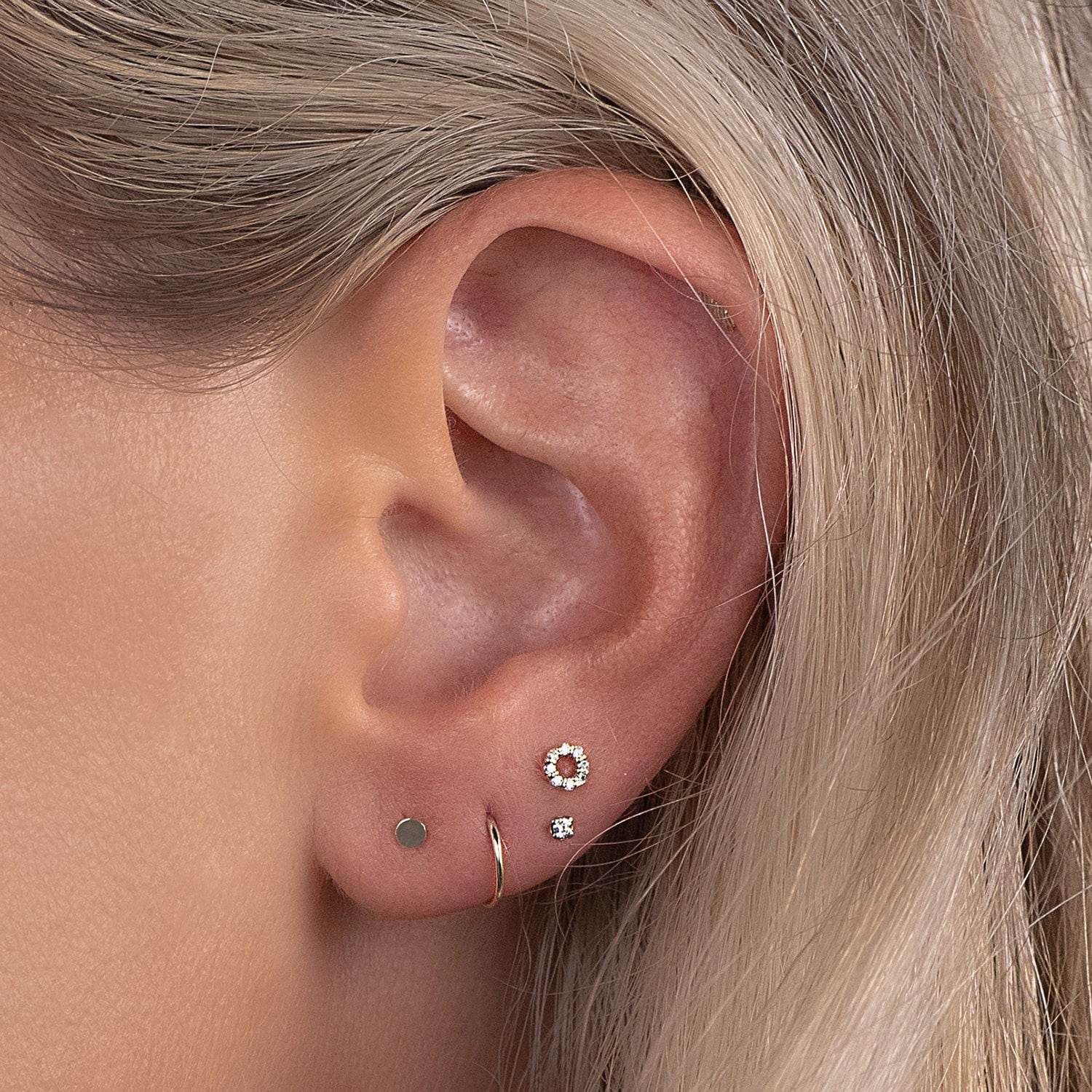
The helix, located on the upper cartilage rim, is the canvas for the popular "ear stack." This style involves multiple piercings along the outer edge of the ear, often combined with industrial bars or tragus piercings for a cohesive look. Studs, hoops, and cuffs can be mixed and matched to create a personalized gallery. The helix is versatile enough to accommodate both minimalist single studs and elaborate multi-piece arrangements.
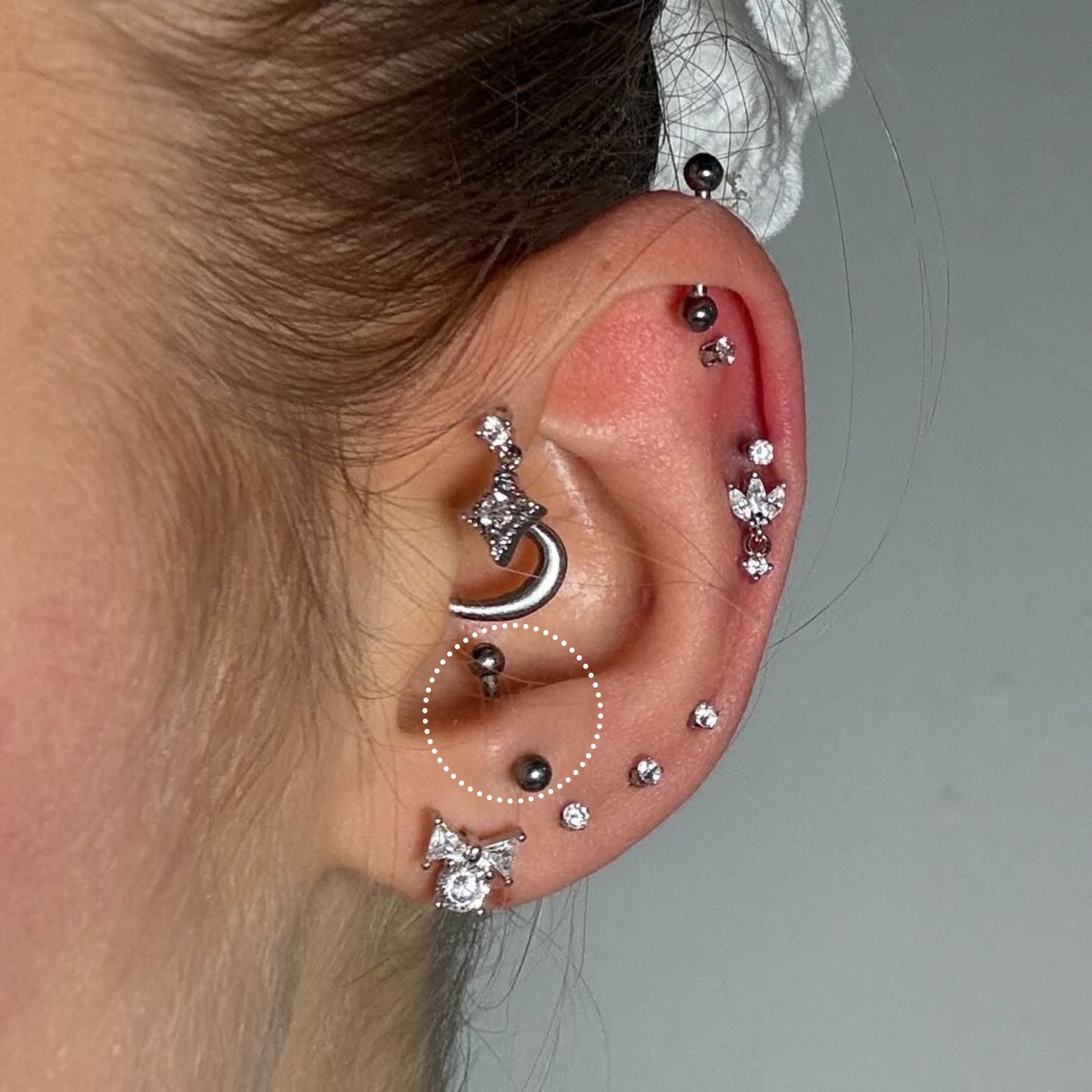
Daith piercings sit in the innermost fold of the ear cartilage. This placement is often chosen for its potential to help with migraine relief, though scientific evidence is mixed. Visually, the daith is striking because it is partially hidden, revealing itself only when hair is pulled back or when viewed from certain angles. Hoops and captive beads are the most common jewelry choices for this difficult-to-pierce location, as they follow the natural curve of the cartilage fold.
Healing and Aftercare Steps
Your piercing studio work is only half the battle; the other half happens at home. Proper aftercare prevents infection, reduces scarring, and ensures your septum, helix, or daith heals smoothly. Think of this phase as a three-month commitment to keeping the area clean and undisturbed. Following these steps will help your body accept the jewelry and close the wound correctly.
Use a pre-mixed sterile saline solution (0.9% sodium chloride) with no additives. Spray it directly on the piercing or apply it with a clean, non-woven gauze pad. Do this in the morning and evening. Avoid soap, alcohol, or hydrogen peroxide, as these irritate the fresh wound and delay healing.
Moisture is a breeding ground for bacteria. After cleaning, gently pat the area dry with a clean paper towel or disposable tissue. Avoid cloth towels, which can harbor bacteria and snag on the jewelry. Ensure the area is completely dry before applying any other products or putting on headphones.
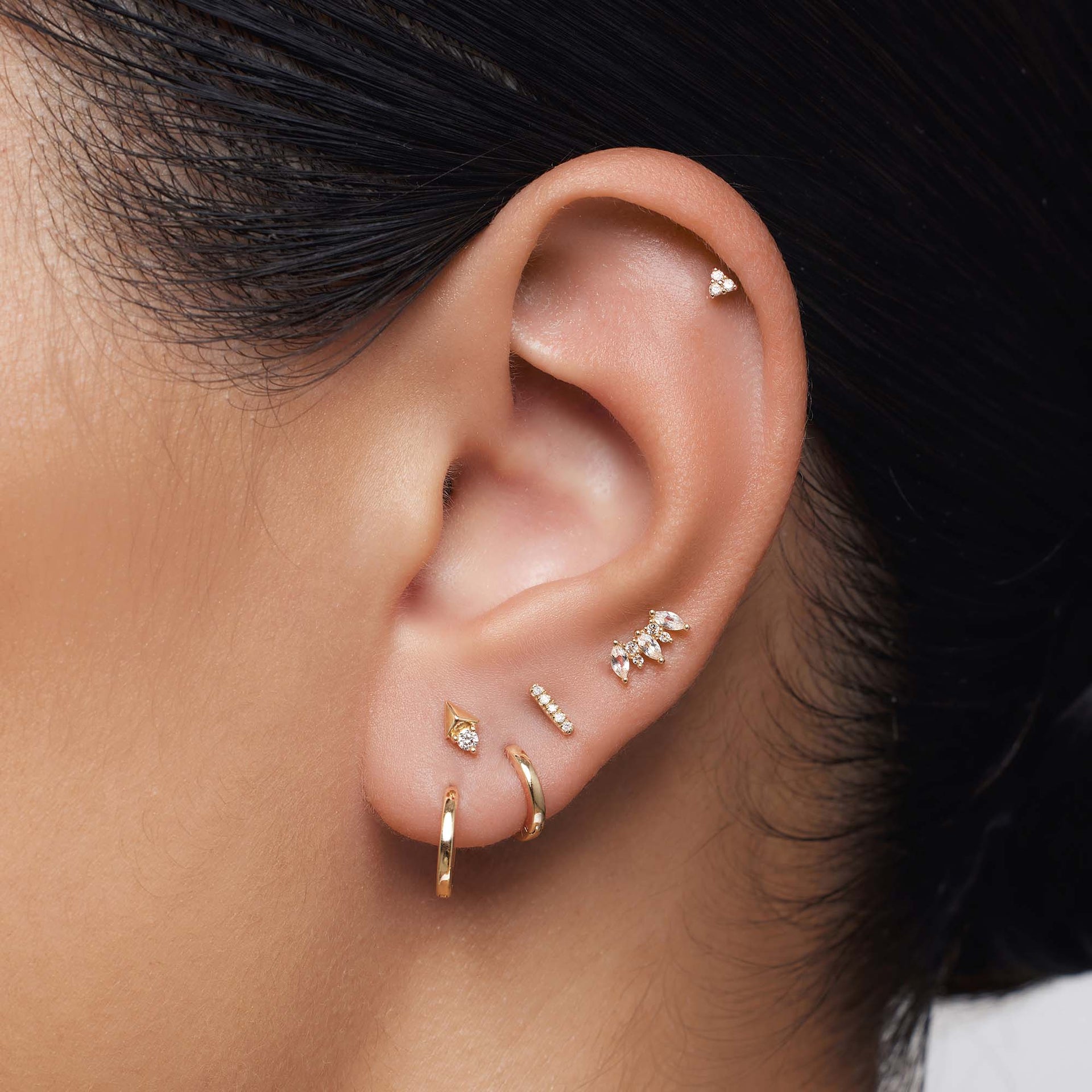
Do not twist, turn, or play with the jewelry. This disrupts the forming tissue tube (fistula) and introduces bacteria from your hands. Also, avoid sleeping on the piercing, especially for helix and daith, as pressure can cause migration or embedding. Use a travel pillow to keep pressure off your ear while you sleep.
Some redness, swelling, and clear or whitish discharge (lymph) is normal. However, thick yellow/green pus, excessive heat, or spreading redness are signs of infection. If you notice these symptoms, or if the pain worsens after the first few days, contact your piercer or a healthcare provider immediately.
Jewelry Material Comparison
Choosing the right metal depends on your budget, healing status, and skin sensitivity. Implant-grade materials are non-negotiable for fresh piercings, while fashion metals may suffice for healed holes. Below is a breakdown of the most common options.
Quick Tips
- Avoid Silver for New Piercings: It tarnishes and can cause black discoloration in the wound.
- Check for Labels: Look for "implant-grade" (ASTM F136 for titanium, ASTM F138 for steel).
- Healed Holes: You have more flexibility, but nickel-free is still safer for long-term wear.
Common piercing: what to check next
We get a lot of questions about the details of getting pierced. Here are some of the most common things people ask before they book an appointment.
What is a lady Diana piercing?
A Princess Diana piercing (sometimes called a Duke piercing) is a set of piercings on either side of the clitoral hood. It’s a specific type of genital piercing that requires careful placement and aftercare.
How much to tip on a $100 piercing?
Tipping is a great way to show appreciation for your piercer’s skill. For a $100 piercing, a tip of $10 to $30 is standard. If they took extra time to ensure perfect placement or helped you choose the best jewelry, a higher tip is always welcome.
No comments yet. Be the first to share your thoughts!