

What Piercing Pals charges for jewelry
Piercing Pals structures its pricing to keep the entry point accessible while offering room for personalization. The base fee for a piercing procedure typically includes a standard piece of jewelry. This baseline ensures that every client leaves with safe, implant-grade material—usually titanium or 14k gold—without needing to purchase accessories separately.
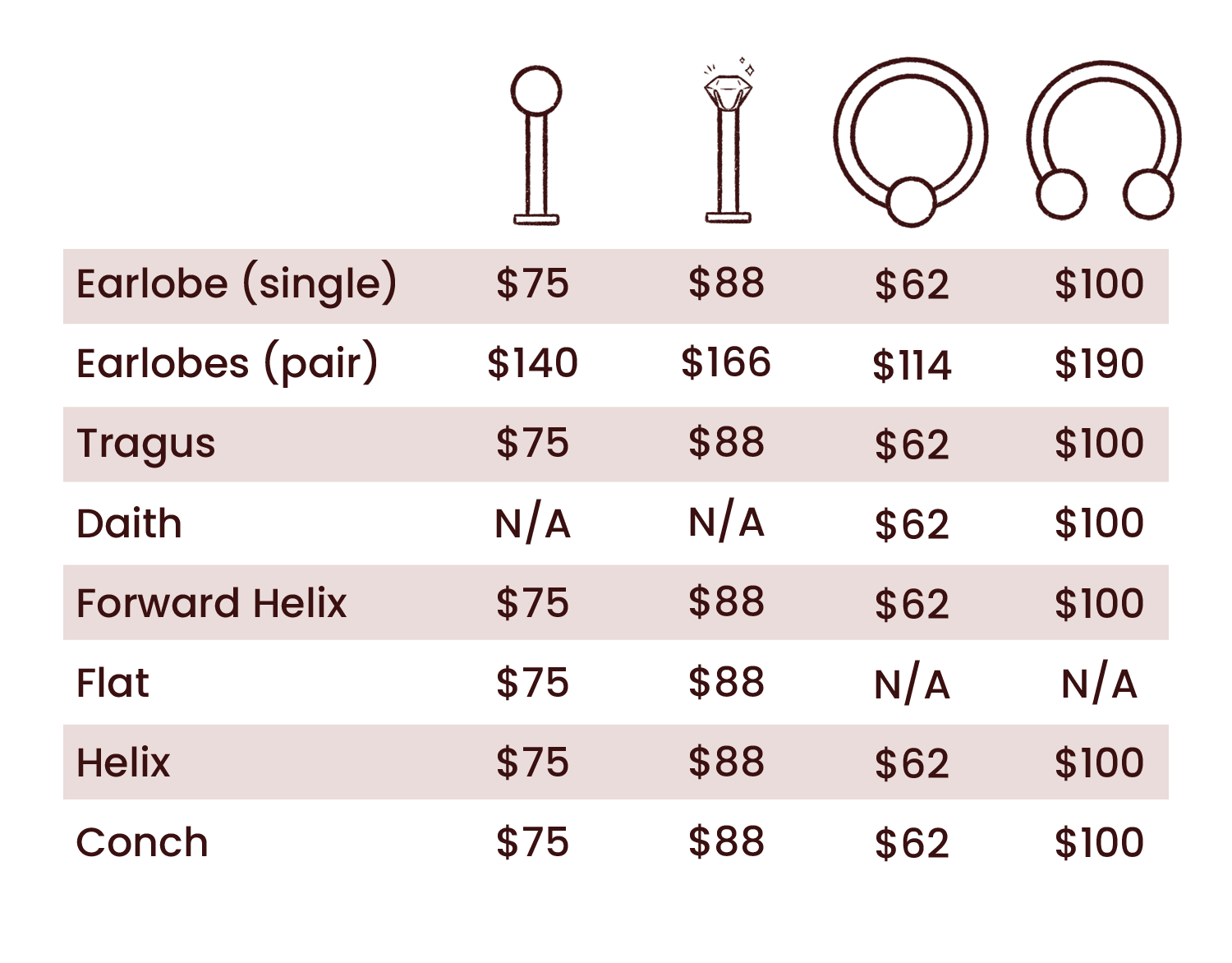
For those looking to customize their look, upgrades are available at a predictable rate. According to studio guidelines, upgrading your jewelry for a single piercing will not exceed $100 plus tax. This cap applies regardless of whether you are getting a septum, helix, daith, or smiley. The price covers the difference between the standard included piece and your chosen upgrade, such as a decorative gem or a specific metal finish.
This pricing model simplifies budgeting. You can expect the total cost to be the sum of the piercing service fee and the optional jewelry upgrade, with no hidden fees for the initial jewelry piece. It allows you to decide on your aesthetic preference before or during the appointment without worrying about unexpected costs.
Septum piercing price breakdown
Getting a septum piercing is one of the most common ways to start a body modification journey, but the cost can vary significantly depending on where you go and what you choose to wear. According to Piercing Pals, a popular reference for piercing norms, you generally should not pay more than $100 (plus tax) for the procedure itself when it includes basic implant-grade steel jewelry. This price point typically covers the piercing service and a standard piece of jewelry, with titanium options often available for a small additional fee.
The final price often hinges on your specific anatomy. A septum piercing goes through the "sweet spot," a thin area of tissue just below the nasal cartilage. If your anatomy is less favorable—for instance, if the sweet spot is higher or narrower than average—the piercer may need to adjust their technique or use specialized jewelry to ensure proper placement and healing. This complexity can sometimes push the price toward the higher end of the spectrum, even at studios that advertise flat rates.
When budgeting, remember that the initial jewelry is just the first step. While basic steel is included in the standard fee, upgrading to higher-quality materials like gold or custom designs will increase the total cost. Always ask for a detailed quote before sitting in the chair, ensuring you understand exactly what is included in the base price and what extras might apply to your specific situation.
Helix piercing costs explained
The helix sits on the upper cartilage ridge of your ear. Because cartilage is denser and more vascular than earlobe tissue, the procedure takes more precision and carries a higher baseline cost. Most studios charge between $35 and $65 for a single helix piercing, with the price covering the procedure and standard implant-grade jewelry.
Cartilage piercings require specialized aftercare to prevent infection and migration. This isn't just a surface puncture; the needle must traverse firm tissue, which can mean slightly longer procedure times and stricter hygiene protocols from the piercer. Expect to follow a saline cleaning routine for several months while the fistula stabilizes.
Many clients choose to get multiple helix piercings at once to save on repeated consultation fees and reduce overall healing time. If you plan to stack three or four studs along the rim, ask your piercer about package pricing. A single visit for multiple placements often lowers the per-piercing cost compared to booking separate appointments months apart.
Piercing Pals, a popular content series featuring professional piercers, often highlights that upgrading your jewelry later is straightforward. They note that you generally won't pay more than $100 for a new piece of implant-grade titanium or steel, keeping long-term maintenance affordable after the initial procedure fee.
Daith piercing fee structure
A daith piercing sits deep within the innermost cartilage fold of the ear, making it one of the more complex placements to perform. This anatomical difficulty directly impacts the price. Unlike a standard lobe piercing, the piercer must navigate a tight, curved pocket of cartilage, requiring greater precision and often a longer procedure time. The needle must find the exact sweet spot to avoid hitting bone or causing excessive trauma, which is why experienced professionals charge a premium for this specific placement.
According to Piercing Pals, who set a baseline for fair pricing in the industry, you should generally not pay more than $100 for a daith piercing, including basic implant-grade steel jewelry. This price point reflects the standard market rate for a professional studio using high-quality, hypoallergenic materials. If a studio quotes significantly less, such as the free piercings offered by retail chains like Claire's, be cautious; these often use lower-quality jewelry or lack the specialized expertise needed for complex cartilage work.
The cost breakdown typically includes the procedure fee and the jewelry. While the base fee covers the artist's skill and sterilization standards, upgrading to titanium or gold jewelry will increase the total. Stick to the Piercing Pals guideline of capping your total spend around $100 for standard steel to ensure you are paying a fair market rate without overpaying for brand markup. Always verify that the included jewelry is implant-grade to prevent rejection or infection in this sensitive area.
Smiley Piercing Costs
A smiley piercing is a niche procedure that requires specific attention to cost and preparation. Because this piercing sits in the thin tissue of the upper lip frenulum, it demands high-quality jewelry to prevent rejection and ensure comfort. The pricing reflects both the complexity of the placement and the specialized materials needed.
Upfront Pricing and Jewelry
Piercing Pals sets a clear standard for affordability in the industry. According to their pricing model, you will never pay more than $100 plus tax for each piercing. This fee is comprehensive and includes basic implant-grade steel jewelry. For those with sensitive skin or specific aesthetic preferences, upgrading to titanium jewelry is available, though it may affect the final total.
Preparation and Aftercare Costs
Beyond the initial fee, budgeting for aftercare is essential. The smiley piercing heals relatively quickly, typically within 4 to 8 weeks, but proper hygiene is critical to avoid infection. You should plan for the cost of a saline solution or a specialized oral rinse recommended by your piercer. Avoiding alcohol and smoking during the healing process is also advised to prevent irritation and promote faster recovery.
When to Upgrade Jewelry
Once the initial healing period is complete, you may wish to upgrade your jewelry. Piercing Pals ensures that upgrades remain accessible, with prices staying under $100 plus tax for most options. This allows you to personalize your smiley piercing with gold, titanium, or decorative gems without a significant financial burden. Always consult with your piercer before changing jewelry to ensure the fistula is fully healed.
Compare piercing costs side by side
Piercing Pals keeps pricing transparent and accessible. Their standard offer includes basic implant-grade steel or titanium jewelry with every piercing, ensuring you never pay more than $100 plus tax for the procedure and starter jewelry combined. This flat-rate approach simplifies budgeting, though final costs may vary slightly based on location and specific jewelry upgrades.
Below is a breakdown of estimated total costs for the four most popular options, reflecting the standard Piercing Pals pricing model.
| Piercing Type | Total Cost (Est.) | Included Jewelry |
|---|---|---|
| Septum | Up to $100 + tax | Implant-grade steel or titanium |
| Helix | Up to $100 + tax | Implant-grade steel or titanium |
| Daith | Up to $100 + tax | Implant-grade steel or titanium |
| Smiley | Up to $100 + tax | Implant-grade steel or titanium |
While the base price covers the piercing and basic jewelry, upgrading to premium materials like solid gold or custom designs will increase the total. Always confirm the exact price with your piercer before booking, as regional taxes and additional service fees may apply.
Prepare for your piercing appointment
Getting a septum, helix, daith, or smiley piercing is less about the needle and more about the prep work you do beforehand. Following the steps below ensures the process is smooth, the cost stays transparent, and your new jewelry sits comfortably.
Skipping food before a piercing increases the risk of fainting or feeling lightheaded. Eat a balanced meal with protein and complex carbs about two hours prior to your appointment. This stabilizes your blood sugar and keeps you steady while your piercer works.
Dehydrated skin is less elastic and more sensitive. Drink plenty of water throughout the day leading up to your appointment. Well-hydrated tissue heals faster and handles the initial trauma of the needle with less swelling and bruising.
Arrive with clean skin and hair. For facial piercings like a septum or smiley, wash your face thoroughly. For ear piercings like a helix or daith, wash your hair to prevent shampoo or conditioner from irritating the fresh wound during the aftercare wash.
Most reputable studios require a valid, unexpired government-issued ID to verify your age. This is standard practice for liability and safety. Having it ready speeds up check-in and shows you are prepared for a professional environment.
Piercing Pals and similar studios often bundle implant-grade steel or titanium jewelry into the initial price, typically capping total costs under $100 plus tax. Confirm exactly what is included in the quoted price so there are no surprise fees for the initial jewelry piece.
Healing care and aftercare routine
Proper aftercare is the difference between a clean heal and an infected mess. Whether you just got a septum, helix, or smiley, your body needs consistent support to close the wound tract. The Piercing Pals guide to aftercare is straightforward: keep it clean, leave it alone, and watch for red flags.
Before you touch your jewelry or the area around it, wash your hands thoroughly with antibacterial soap. This simple step prevents transferring bacteria from your skin to the fresh wound. Never pick at crusties or rotate the jewelry, as this tears the delicate healing tissue.
Use a sterile saline solution (0.9% sodium chloride) to clean the piercing twice a day. Spray it on or use a clean gauze pad to soak the area for a few minutes. This flushes out debris without irritating the skin. Avoid homemade salt mixes, as they are rarely the correct concentration and can delay healing.
After rinsing, gently pat the area dry with a clean, disposable paper towel. Cloth towels can harbor bacteria and the fibers can get caught in the jewelry. Moisture trapped against the skin is a breeding ground for bacteria, so keeping the area dry is just as important as keeping it clean.
Keep an eye out for excessive redness, heat, or thick yellow/green discharge. Some clear fluid and mild swelling are normal, but persistent pain or swelling that worsens after the first few days is not. If you suspect an infection, see a doctor immediately rather than removing the jewelry, which can trap the infection inside.
Daily aftercare checklist
Stick to this routine for the first 4-6 weeks, or until your piercer confirms the tract is fully healed.
-
Wash hands before any contact
-
Rinse with sterile saline (morning and night)
-
Pat dry with a fresh paper towel
-
Check for unusual swelling or discharge
-
Avoid touching or twisting the jewelry
No comments yet. Be the first to share your thoughts!