
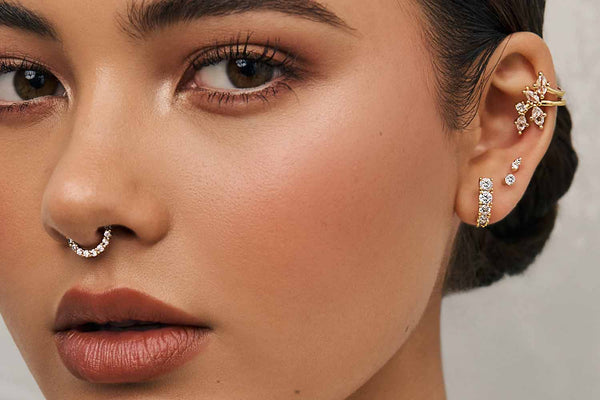

Choosing safe piercing jewelry
The foundation of a healthy piercing is the material touching your skin. For new piercings, implant-grade titanium or implant-grade steel are the gold standards. These metals are hypoallergenic and biocompatible, meaning your body is far less likely to reject them or develop an infection. Cheap alloys often contain nickel or other irritants that can cause redness, swelling, and prolonged healing times, turning a fun new look into a medical hassle.
At Piercing Pals, we hold ourselves to a strict quality standard. We believe that safe, beautiful jewelry shouldn't cost a fortune. Our promise is simple: you will never pay more than $100 plus tax for any single piece of jewelry in our collection. This includes both basic implant-grade steel and premium titanium options, ensuring that affordability never comes at the expense of your safety.
When shopping for septum, helix, or daith jewelry, look for the specific "implant-grade" designation rather than just "surgical steel." This distinction ensures the metal has been processed to minimize surface roughness and impurities. By prioritizing these materials, you protect your healing tissue and set yourself up for a smooth, complication-free experience.
Best septum jewelry options
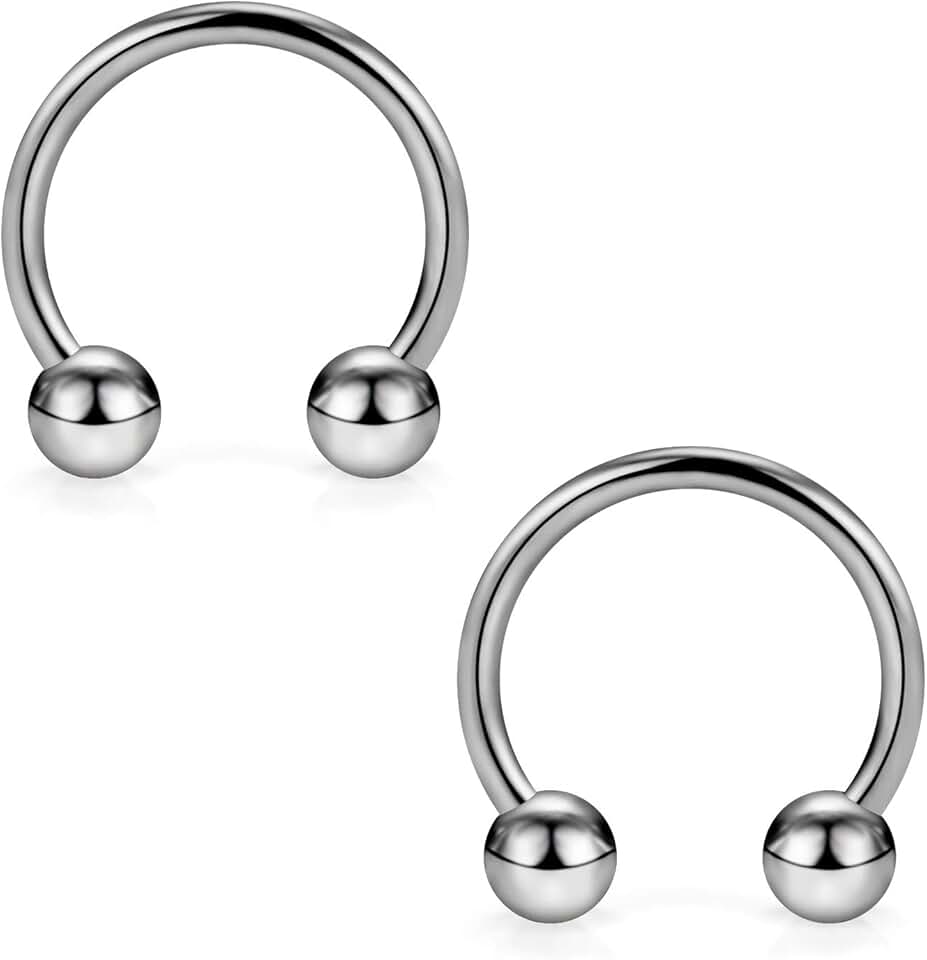
Finding the right septum jewelry is less about following a trend and more about finding a piece that sits comfortably while you live your life. The most practical choice for everyday wear is a circular barbell, often called a clicker or horseshoe, because it allows you to flip the jewelry up into your nose. This simple mechanic hides the piercing during work hours or family gatherings, then lets you drop it down when you want to show it off. Look for an internally threaded or threadless design to ensure the jewelry doesn't snag on hair or clothing.
For those who prefer a more permanent look, a captive bead ring or a seamless hoop offers a classic aesthetic. These pieces sit flush against the skin and require no daily adjustment. However, comfort is paramount; ensure the gauge matches your piercing (usually 16g or 14g) and the diameter is wide enough to avoid the "cheesecutter" effect, where the metal presses too tightly into the tissue. Implant-grade titanium or niobium are the safest materials to start with, as they are hypoallergenic and easy to sterilize.
Below are some top-rated septum rings available for purchase. These selections prioritize quality materials and versatile designs suitable for both new and experienced piercings.


As an Amazon Associate, we may earn from qualifying purchases.
Top picks for helix piercings
The helix is the outer rim of cartilage, and because the tissue is denser and has less blood flow than the earlobe, stability matters just as much as style. Choosing the right jewelry ensures your piercing stays comfortable during the long healing process and looks sharp once it settles.
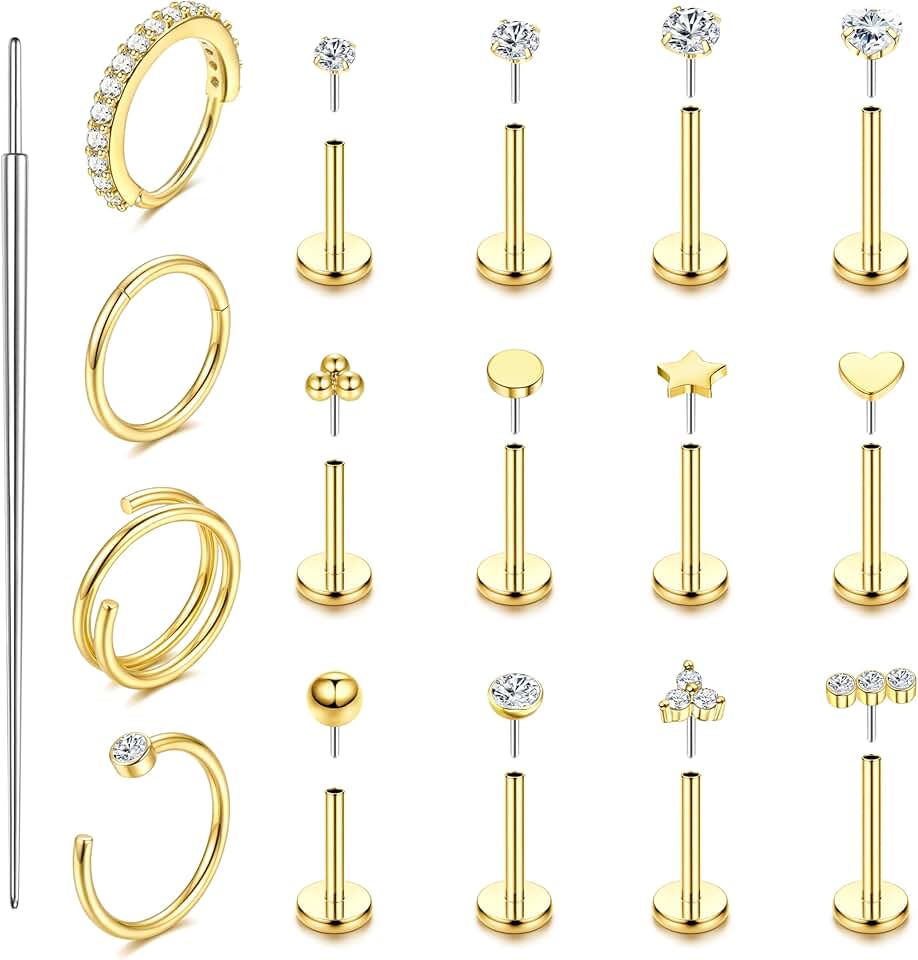
For new helix piercings, a labret stud is the gold standard. The flat back sits flush against the inner ear, minimizing snagging on hair and clothing while the fistula (the hole) forms. This design prevents the jewelry from rotating unnecessarily, which reduces irritation and speeds up healing. Once healed, you can transition to hoops or rings, but starting with a stud gives your body the best chance to heal without complications.
When it comes to materials, implant-grade titanium is the safest bet for sensitive skin and active lifestyles. It is lightweight, hypoallergenic, and resistant to corrosion. If you prefer the look of gold, ensure it is solid 14k or 18k gold rather than gold-plated, as plating can wear off and expose underlying metals that might cause irritation.
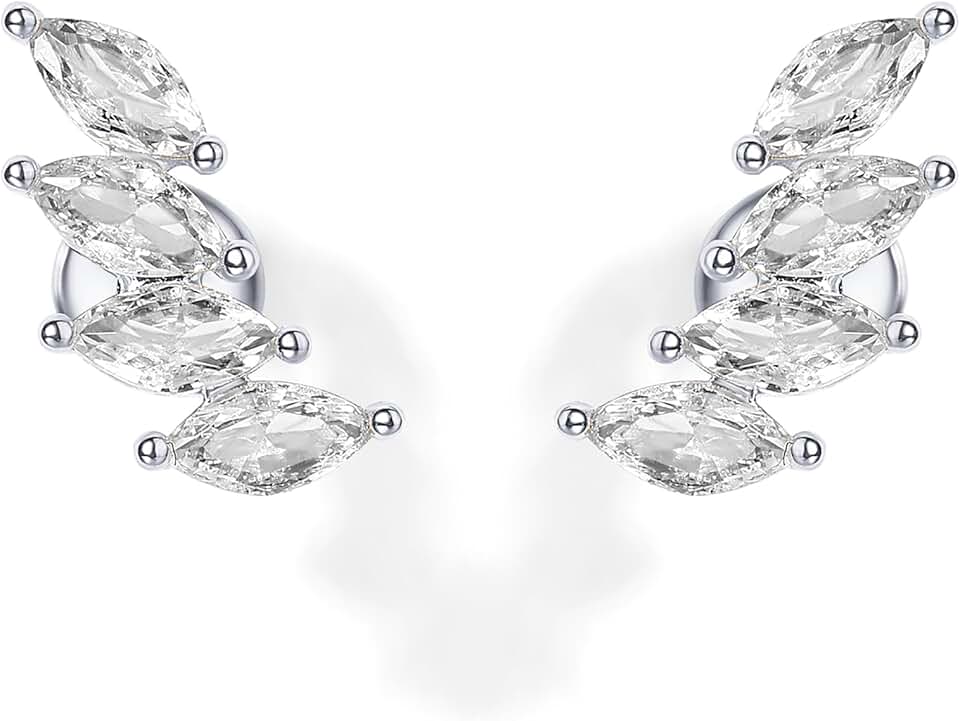
Here are some highly rated helix jewelry options to consider for your next upgrade:

As an Amazon Associate, we may earn from qualifying purchases.
Daith and smiley piercing styles
Choosing jewelry for a daith piercing requires careful consideration of the unique anatomy of the ear’s inner cartilage fold. Because this piercing sits in a tight, curved space, bulky or overly heavy pieces can cause irritation or migration. A small, lightweight captive bead ring or a snugly fitted curved barbell is often the best choice, as these styles follow the natural contour of the fold without putting pressure on the surrounding tissue. Look for implant-grade titanium or solid gold options to minimize the risk of allergic reactions in this sensitive area.
Smiley piercings, which pass through the thin tissue of the upper lip frenulum, demand a different approach. The frenulum is delicate and moves constantly with speech and eating, so standard septum rings or heavy hoops will likely cause discomfort or rejection. The ideal jewelry is a small, flat-back labret or a tiny, lightweight curved barbell made from biocompatible materials like titanium. These styles sit flush against the tissue, reducing the chance of catching on teeth or gums while allowing the piercing to heal comfortably.
Recommended Jewelry


As an Amazon Associate, we may earn from qualifying purchases.
Jewelry materials and costs
Choosing the right material for your septum, helix, or daith piercing is less about aesthetics and more about long-term comfort and safety. The metal you choose dictates how your body reacts to the jewelry and how long it will last. While cheap options might seem appealing initially, they often lead to irritation or allergic reactions, costing you more in healing time and replacement jewelry later.
To help you understand the options, here is a comparison of the most common jewelry materials found in reputable piercing shops and online retailers.
| Material | Biocompatibility | Durability | Typical Price Range |
|---|---|---|---|
| Implant-Grade Titanium | Excellent (Hypoallergenic) | High | $30–$80 |
| 14k+ Solid Gold | Excellent (If Nickel-Free) | Very High | $50–$150+ |
| Implant-Grade Steel (F316LVM) | Good (Low Nickel) | High | $20–$50 |
| Surgical Steel (Non-Implant) | Variable (Risk of Reaction) | Moderate | $10–$25 |
Why material matters more than price
The most critical factor is biocompatibility. For new piercings, especially in sensitive areas like the daith or helix, implant-grade titanium is the gold standard. It is virtually inert, meaning your body is unlikely to reject it. While it costs more than basic steel, the peace of mind and lack of irritation are worth the premium.
Solid gold is another excellent choice, provided it is at least 14 karat and nickel-free. Lower karat golds often contain alloy metals that can cause reactions. Implant-grade steel is a solid middle ground for healed piercings, offering good durability at a lower cost. However, avoid non-implant surgical steel, as the nickel content can trigger inflammation, particularly in fresh piercings.
Understanding the value proposition
When budgeting for jewelry, remember that you are paying for safety and craftsmanship. A $15 ring might look fine today, but if it contains nickel or has rough threading, it can irritate your piercing channel. Reputable sellers often provide clear material certifications, which is a good sign of quality.
As noted in industry discussions, upgrading to high-quality materials doesn't have to break the bank. Many sources suggest that you can find excellent basic implant-grade steel or titanium jewelry for under $100 per piece. This price point ensures you are getting safe, polished, and comfortable jewelry without paying for unnecessary brand markups.


As an Amazon Associate, we may earn from qualifying purchases.
Piercing care and healing tips
Proper aftercare is the difference between a smooth healing process and a frustrating infection. Whether you have a new septum, helix, or daith piercing, your jewelry choice plays a huge role in how quickly you recover. Implant-grade materials like titanium or 14k gold are non-negotiable for sensitive areas like the daith, where swelling can trap lower-quality metals against the skin.
Start by cleaning your piercing twice daily with a sterile saline solution. Avoid alcohol, hydrogen peroxide, or ointments, which can dry out the tissue and delay healing. For septum piercings, be gentle when flipping the jewelry up; frequent movement introduces bacteria and irritates the fistula. Helix and daith piercings are prone to snagging, so sleep on your back or use a travel pillow to keep pressure off your ears.
Watch for signs of trouble like excessive redness, heat, or yellow-green discharge. Normal healing involves some clear fluid (lymph) and mild itching, but persistent pain or swelling means you should consult your piercer. If you suspect an infection, do not remove the jewelry, as this can trap the infection inside the closed wound.
Essential Aftercare Checklist
- Clean twice daily with sterile saline spray.
- Avoid twisting or flipping the jewelry.
- Keep hair products, perfumes, and makeup away from the site.
- Sleep on your back to protect helix and daith piercings.
- Monitor for signs of infection and consult a professional if needed.
Common questions about piercing jewelry
Many people wonder if a septum piercing carries specific cultural associations. Historically, body modifications have sometimes been linked to subcultures or identity markers. In the 1980s and 90s, specific piercings were often associated with LGBTQ+ communities as a form of expression or rebellion against traditional gender norms. Today, septum, helix, and daith piercings are mainstream fashion choices enjoyed by people of all backgrounds, with jewelry serving as personal style rather than a signal of identity.
Safety is the most important factor when choosing jewelry. Always opt for implant-grade materials like titanium or 316L surgical steel to prevent allergic reactions and infection. The quality of the metal matters more than the design. For initial piercings or sensitive skin, high-quality titanium is the gold standard.
No comments yet. Be the first to share your thoughts!