
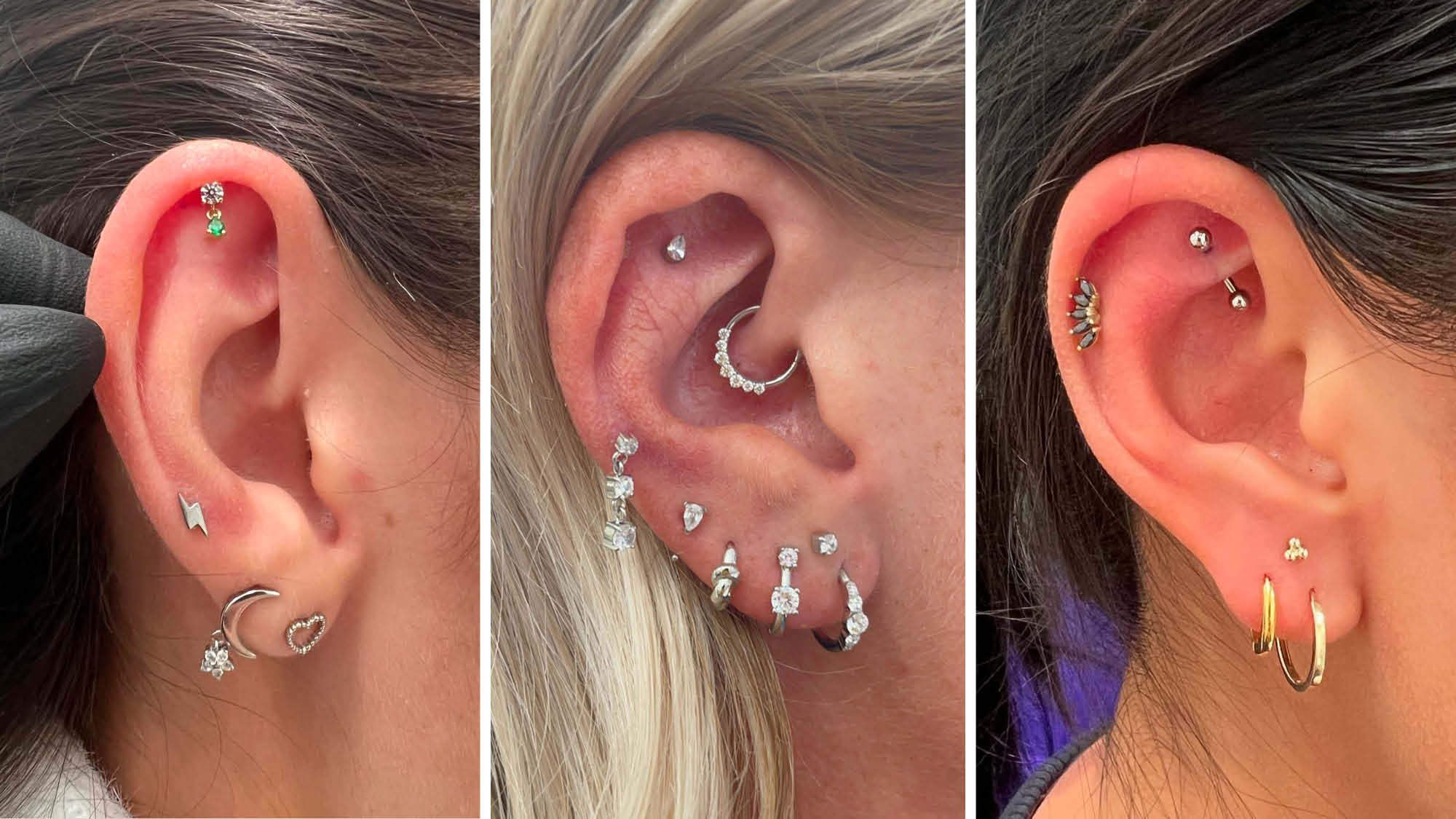

Why Piercing Pals Matters
Piercing Pals isn't just a brand; it's a community built by body piercers Shane and Mikey from Asylum Studios. What started as a lighthearted series documenting their friendship and craft has grown into a trusted resource for anyone navigating the world of body modification. Their approach strips away the intimidation factor, replacing it with transparency and genuine expertise.
In an industry where misinformation can lead to complications, Piercing Pals offers a grounded alternative. They prioritize education, helping clients understand why certain metals are safer, how different placements heal, and what to look for in high-quality jewelry. This commitment to safety and quality makes their product recommendations reliable for both first-timers and seasoned collectors.
Their influence extends beyond social media into practical shopping guidance. By highlighting specific, high-quality items rather than vague categories, they help readers make informed decisions. Whether you're looking for a simple stud or a more intricate piece, their curated selections reflect the standards they uphold in their own studio.
Septum Jewelry Options
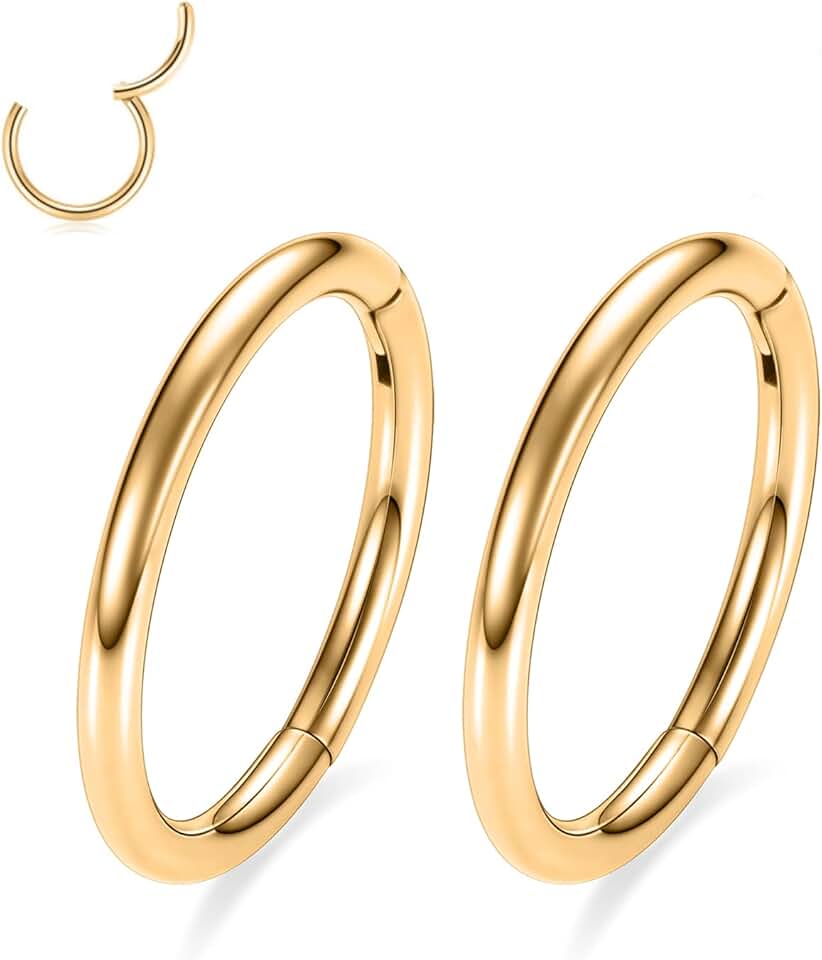
Septum jewelry offers one of the most versatile ways to customize your look, ranging from subtle daily wear to bold statement pieces. The two main categories you will encounter are circular barbells (often called "horseshoes") and captive bead rings. Choosing the right style depends on your healing stage and how visible you want the piercing to be.
Clickers and Circular Barbells
Circular barbells are the classic septum staple. They feature a hinge and clasp mechanism, making them easy to insert and remove. This style is ideal for showing off your jewelry since the front plate or decorative end is fully visible. Clickers are a popular subtype of circular barbell that lock securely with a satisfying click, ensuring they stay in place during daily activities. Look for titanium or solid gold materials to minimize irritation.
Nose Bones and Retainers
For those who need to hide their piercing for work or social events, retainers are the best option. These pieces are typically made of clear acrylic or flesh-toned silicone, blending seamlessly with your skin. They maintain the fistula (piercing hole) without drawing attention. While they are less decorative, they are essential for maintaining a septum piercing during periods when visibility is not desired.
Material Matters
Regardless of the style you choose, material quality is the most important factor for comfort and safety. Implant-grade titanium is the gold standard for new piercings because it is hypoallergenic and lightweight. Avoid mystery metals or low-quality stainless steel, which can cause green discoloration or allergic reactions. If you are sensitive to nickel, stick to titanium or 14k+ gold.


As an Amazon Associate, we may earn from qualifying purchases.
Helix Piercing Jewelry Styles
The helix sits on the upper cartilage ridge, making it a prime spot for visible jewelry that catches the light. Choosing the right style depends on how you want the piercing to sit against your ear and how much movement you’re comfortable with during the healing phase.
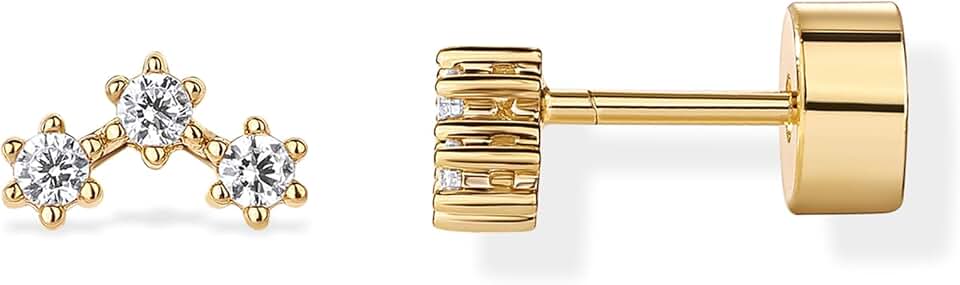
Stud-style jewelry is the safest bet for new helix piercings. Because it sits flush against the ear, it minimizes snagging on hair, masks, or headphones. A simple labret stud with a flat back is ideal for the initial healing period, which typically lasts three to six months for cartilage. Once healed, you can explore more decorative options without worrying about irritation.
Hoops and circular barbells offer a classic look but require careful sizing. If the ring is too small, it will compress the piercing channel, leading to swelling and delayed healing. If it’s too large, it may swing around and catch on things. Many piercers recommend waiting until the piercing is fully healed before switching to a hoop, ensuring the fistula (piercing hole) is strong enough to handle the movement.
Cluster jewelry has gained popularity for those who want to maximize the helix’s surface area. This style involves multiple small piercings placed closely together, often adorned with matching studs or tiny hoops. While visually striking, cluster piercings require more diligent aftercare and longer healing times since each hole must heal independently without touching its neighbor.


As an Amazon Associate, we may earn from qualifying purchases.
Daith Piercing Jewelry Choices
Choosing the right jewelry for a daith piercing is less about style and more about anatomy. The daith sits in the innermost fold of cartilage, creating a tight, curved channel that demands specific hardware to heal properly. Wearing the wrong shape can cause constant pressure, leading to migration or prolonged irritation.
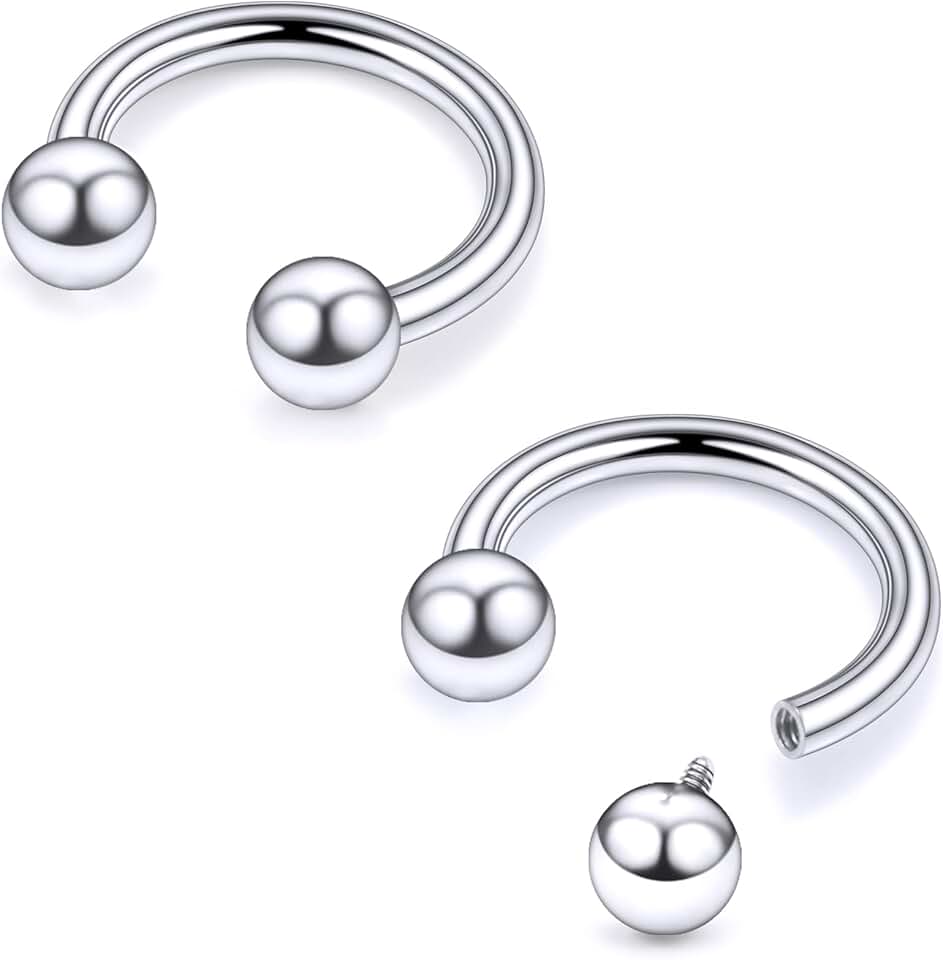
The industry standard for initial daith jewelry is a circular barbell. This shape follows the natural curve of the ear fold, distributing pressure evenly. It is the most reliable option for getting through the 6–12 month healing window without snagging on hair or clothing.
Once healed, you can explore other styles like captive bead rings or threadless ends. However, stick to implant-grade titanium or 14k gold for the initial piercing to minimize allergic reactions. Avoid surgical steel or mystery metals until your piercer confirms the tissue is fully settled.


As an Amazon Associate, we may earn from qualifying purchases.
Smiley Piercing Jewelry Guide
Choosing the right jewelry for a smiley piercing is about balancing safety with style. Because this piercing sits under the upper lip, the jewelry must sit flush against the gums and teeth to avoid damage. A piece that is too bulky or has sharp edges can cause chipping, recession, or gum irritation over time.
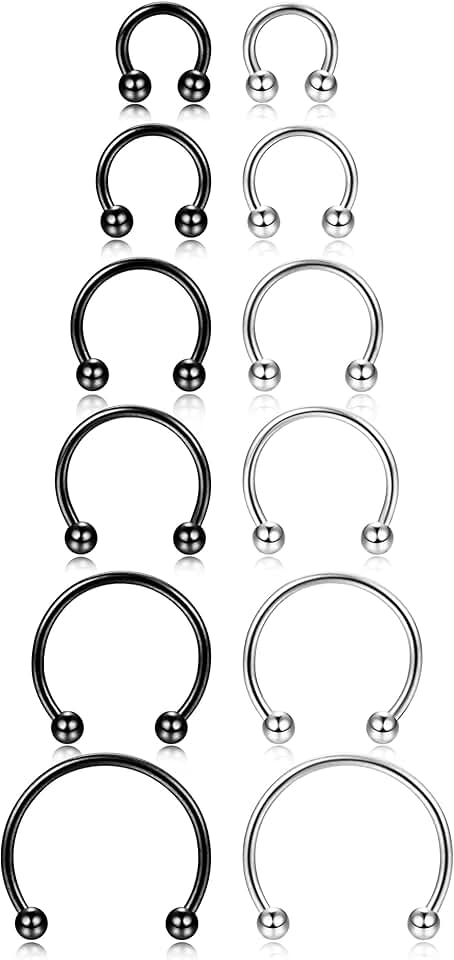
The standard choice is a circular barbell. These come in various gauges, though 16g (1.2mm) is the most common starting point. The material matters just as much as the shape. Implant-grade titanium or 14k solid gold are the safest options for healing and long-term wear. Avoid silver, as it is soft and can tarnish, and steer clear of mystery metals or acrylics, which can harbor bacteria and irritate the sensitive tissue under your lip.
When it comes to aesthetics, small balls or tiny gems are popular for their subtle look. However, be cautious with dangling charms or large decorative ends. While they look great in photos, they can catch on teeth or lips during eating and talking. For a daily-wear piece, simplicity is your best friend. It keeps the piercing clean and ensures your smile stays healthy.


As an Amazon Associate, we may earn from qualifying purchases.
Healing Times and Care Tips
Every piercing has a unique recovery window, and knowing what to expect helps you avoid complications. While general timelines provide a baseline, individual healing varies based on anatomy, aftercare consistency, and jewelry material. Below is a quick reference for the four most popular piercings featured in this guide.
| Piercing | Healing Time | Care Tip |
|---|---|---|
| Septum | 6–8 weeks | Flip up during initial healing to prevent irritation bumps. |
| Helix | 6–12 months | Avoid sleeping on the side to reduce pressure. |
| Daith | 6–9 months | Keep the cartilage clean; avoid tight headbands. |
| Smiley | 6–8 weeks | Rinse with saline after eating to prevent gum irritation. |
Septum and smiley piercings typically heal faster than cartilage piercings because they involve softer tissue. However, the smiley is prone to gum and tooth damage if the jewelry is too long or made of low-quality metal. Helix and daith piercings sit in cartilage, which has less blood flow, meaning they take significantly longer to stabilize fully. During these longer periods, consistency with saline cleaning is more important than aggressive twisting or cleaning with harsh chemicals.
For the best results, stick to implant-grade titanium or 14k+ gold jewelry during the healing phase. Avoid submerging new piercings in pools, hot tubs, or lakes, as standing water introduces bacteria that can lead to infection. If you notice excessive redness, heat, or yellow discharge, consult your piercer or a healthcare provider immediately rather than removing the jewelry, which can trap infection inside the fistula.
No comments yet. Be the first to share your thoughts!